US agrees nuclear deal with Saudi Arabia
Agreement announced July 23 prompts analysts to warn of higher regional proliferation and escalation risks.
Mateo Fernandez ·
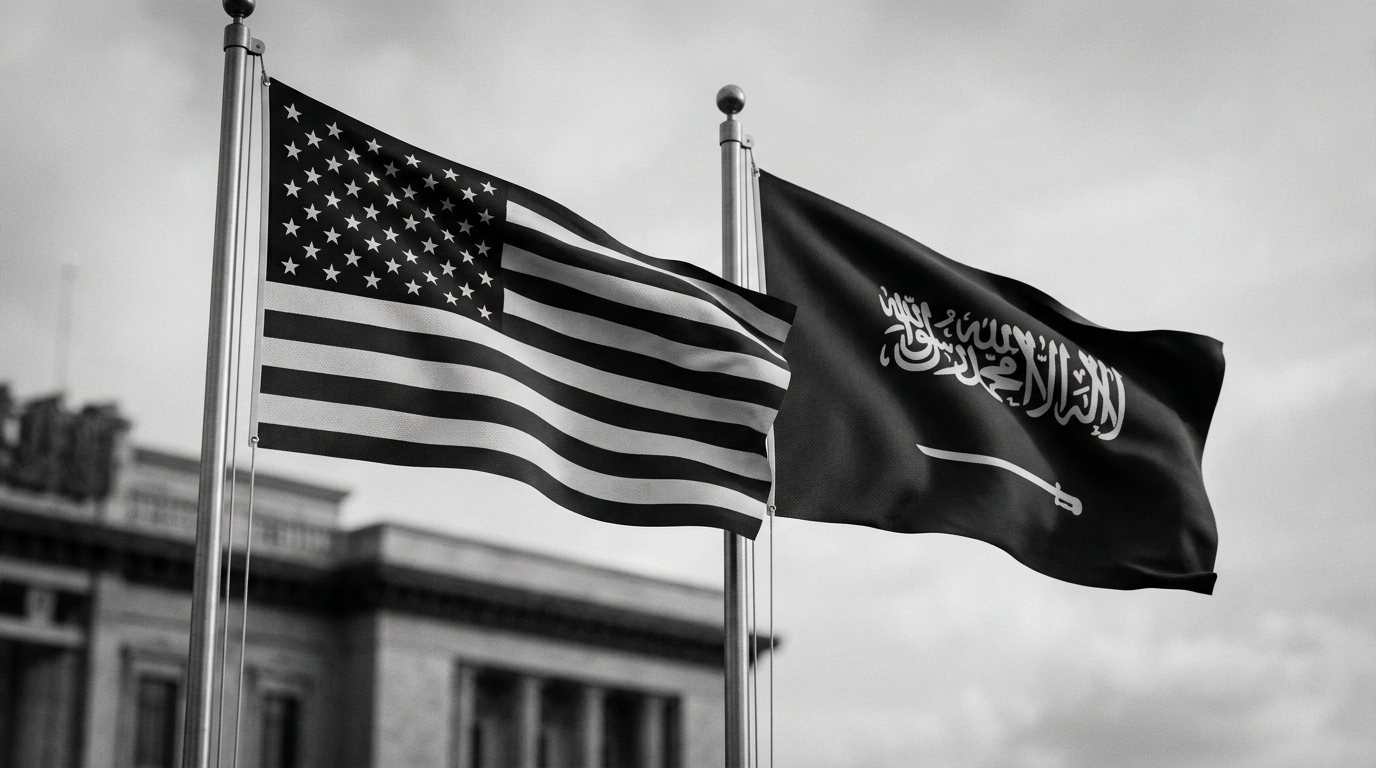
The US on July 23 agreed a nuclear cooperation deal with Saudi Arabia, officials said, a pact that analysts say could alter strategic calculations across the Middle East. The announcement has already prompted public concern from analysts about potential proliferation pathways and the political effects inside Gulf states.
Regional proliferation concerns
Analysts warned the terms of the deal could lower barriers for nuclear-capable infrastructure and intensify competition with Iran, which regional capitals view as a primary security risk. Officials said the agreement includes civil nuclear cooperation clauses; analysts cautioned those provisions can become leverage points for military-extension efforts if oversight or safeguards weaken.
Analysts also flagged alliance-management challenges for the US: close partners in the region may press for matching security guarantees or civilian nuclear access, which could drive a cascade of bilateral pacts. Officials said implementing the deal will involve technical panels and regulatory steps that will test US export controls and non-proliferation safeguards.
Watch diplomatic and policy moves over the next 30 days: analysts expect Gulf capitals and Washington to issue follow-up statements and potential clarifications. How those exchanges unfold will determine whether the pact stabilises energy and civilian programmes or spurs competitive responses among regional governments.