UK warning flags possible travel insurance hikes for Turkey, Cyprus, Egypt trips
A UK travel warning says some British holidaymakers could face sharply higher travel insurance costs for trips to Turkey, Bulgaria, Poland, Cyprus and Egyp…
Omar Farouk ·
# UK warning flags possible travel insurance hikes for Turkey, Cyprus, Egypt trips
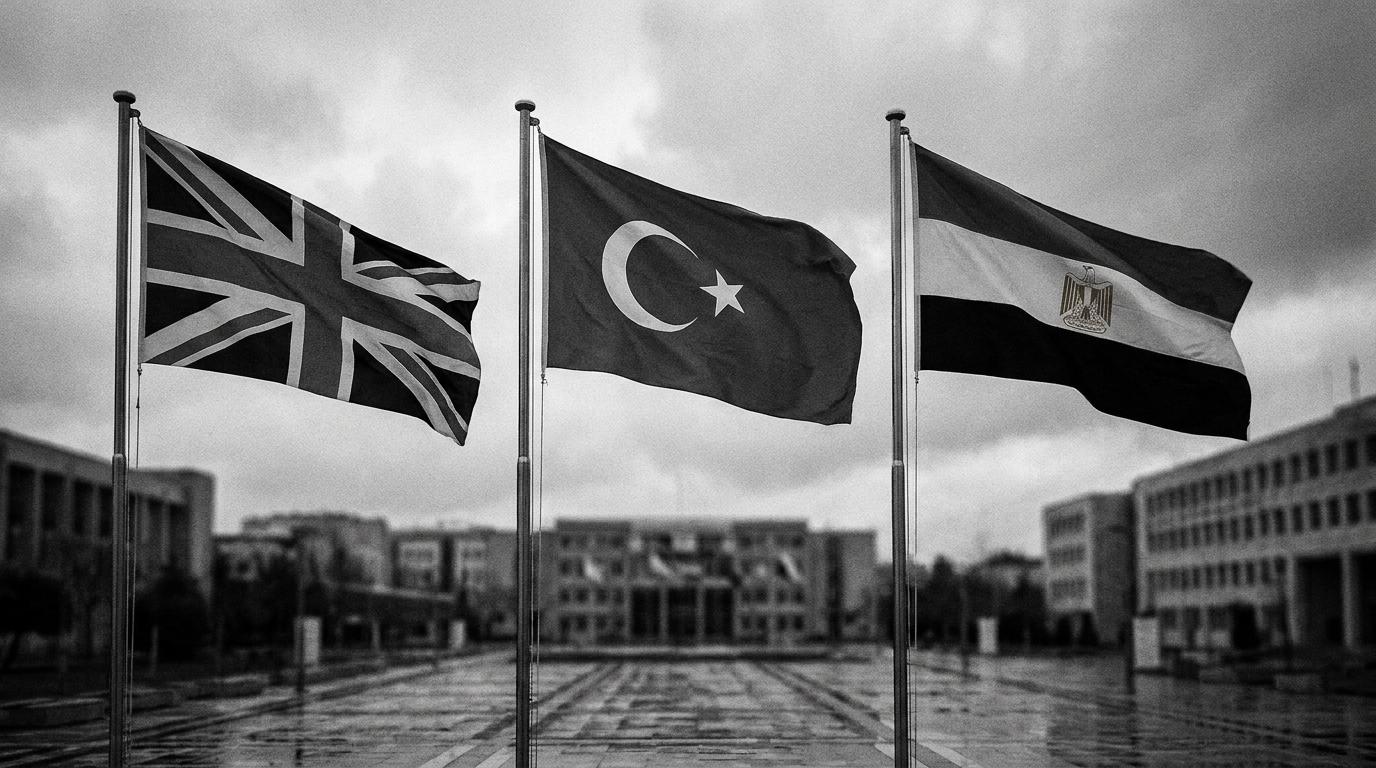
British holidaymakers planning summer travel to Turkey, Cyprus and Egypt are being urged to check their travel insurance closely after a UK warning said premiums could rise, in some cases steeply, for certain destinations. The alert, framed around higher overseas medical costs and inflation, also covered Bulgaria and Poland, signalling a broader repricing risk for policies tied to claims-heavy locations.
Travel insurance pricing in the UK is typically
Travel insurance pricing in the UK is typically recalibrated when insurers see higher expected claims costs, whether from medical treatment bills abroad, higher repatriation expenses, or currency moves that make payouts more expensive in sterling terms. Policies can also vary by destination risk, especially where providers believe medical inflation, private hospital pricing, or claims frequency is rising faster than elsewhere.
Turkey, Cyprus and Egypt sit at the intersection of mass-market tourism and volatile cost drivers. In Turkey and Egypt, local inflation and currency swings can change the economics of private care, while the most common claims categories for British travellers, such as emergency treatment, hospital stays and medical evacuation, can become costlier even without a change in traveller behaviour. Cyprus, an EU-linked destination with extensive tourist infrastructure, can still see cost pressures in healthcare and assistance services that insurers must cover.
For the Middle East and Eastern Mediterranean tourism corridor, insurance pricing acts as a quiet lever on demand: a meaningful jump in premiums can push travellers to downgrade cover, accept higher excesses, or choose alternative destinations with cheaper perceived risk. That matters for Turkey and Egypt in particular because both rely heavily on seasonal inflows and package tourism; even small frictions can shift bookings at the margin.
There is also a global spillover channel
There is also a global spillover channel. When travellers reduce coverage, any surge in medical or evacuation incidents tends to stress assistance networks and can amplify consular workload. Separately, higher trip costs can change passenger volumes on routes that connect into strategic maritime corridors. While the warning is not about security, the region’s travel ecosystem is exposed to disruptions around key chokepoints such as the Strait of Hormuz and Bab al-Mandab, where spikes in risk perception can quickly translate into cost increases across travel and logistics.
By 2024-07-31, watch for concrete product moves from UK insurers: destination-specific pricing updates, new exclusions, higher medical coverage add-ons, or changes to excess levels for Turkey, Cyprus and Egypt. The call is right if providers roll out clearly more expensive policies or explicit destination surcharges for these countries; it is wrong if increases track broader inflation and competition keeps prices from diverging meaningfully by destination.