US-Funded Research Linked to Chinese Military Robots
Chinese firm Unitree's robots, used by the PLA, are linked to US defense-funded academic research, raising concerns about technology transfer and export…
Mateo Fernandez ·
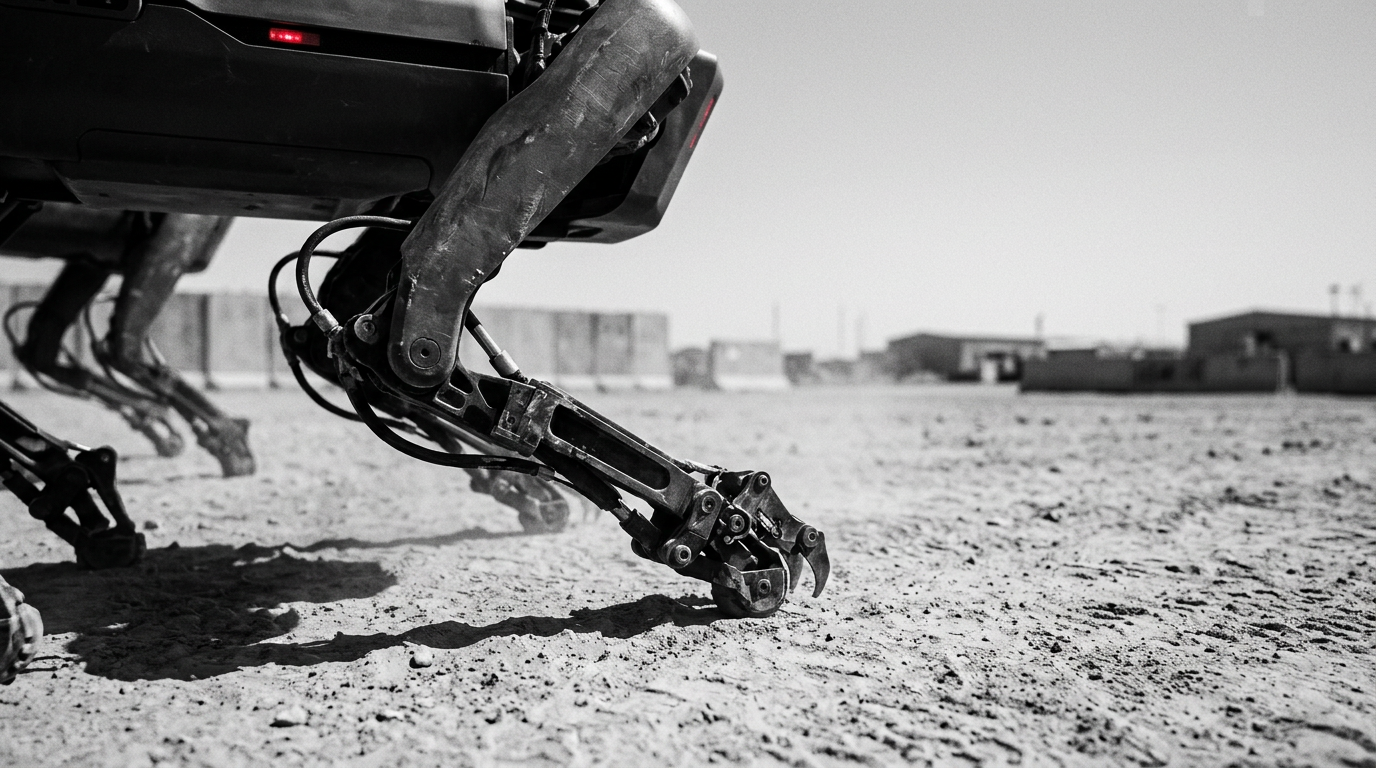
Robotic systems manufactured by Unitree, a commercial company based in China, have recently been observed participating in exercises conducted by the People's Liberation Army (PLA). This development has drawn attention due to revelations that the foundational university research supporting these robots received financial backing from the United States defense sector during its academic phase. Unitree subsequently commercialized this research, resulting in the specific models now being deployed in PLA drills.
The company has reported considerable global sales figures and attracted substantial investor interest, with its private valuation reportedly reaching billions of dollars, although these estimates lack independent verification. The integration of Unitree's technology into military applications underscores the complex dynamics of international technology transfer and its potential ramifications for defense strategies and trade relations between nations.
Origins of Robotic Technology Under Scrutiny
Officials have confirmed that the academic work forming the technological basis of Unitree's robotic platforms benefited from US defense grants while it was being conducted in a university environment. Following this initial research, Unitree adapted these scientific discoveries for commercial production. Analysts point out that the transfer of technology from academic laboratories to commercial entities abroad can occur through various mechanisms, including licensing, collaborative faculty projects, and personnel movement. The exact routes through which the US-funded research transitioned to Unitree and subsequently into PLA applications are currently under active investigation.
Formal reviews are reportedly underway to ascertain the origin of specific components and software integrated into Unitree's systems. The precise scope of these inquiries and the entities involved have not yet been publicly disclosed. Such investigations are crucial for understanding the complete trajectory of the technology's evolution and dissemination.
Potential Policy Adjustments and Dual-Use Concerns
This situation carries significant implications for existing policy frameworks and export control measures. Close monitoring of official responses and any formal inquiries from Washington or Beijing is deemed critical, particularly with a timeframe extending until September 30, 2026. Such actions would be vital in determining whether the circuitry, sensors, or algorithms embedded in Unitree's products can be directly linked to projects that received financial support from US defense programs.
Should direct connections be confirmed, this could trigger new policy decisions or adjustments to current export controls designed to prevent critical technologies from falling into adversarial hands. The incident highlights the inherent difficulties in managing 'dual-use' technologies, which possess both civilian and military applications, complicating regulatory oversight. It also emphasizes the delicate balance nations strive to maintain between fostering international academic cooperation and safeguarding their strategic national security interests. The broader international community will be closely watching how these developments unfold and the precedents they might establish for future technology partnerships and regulatory frameworks globally.