Canada to Impose Retaliatory Tariffs Amid US Trade Dispute
Canada plans retaliatory tariffs on US imports after trade talks failed Friday, escalating tensions following US announcement of 50% tariffs.
Lauren Collins ·
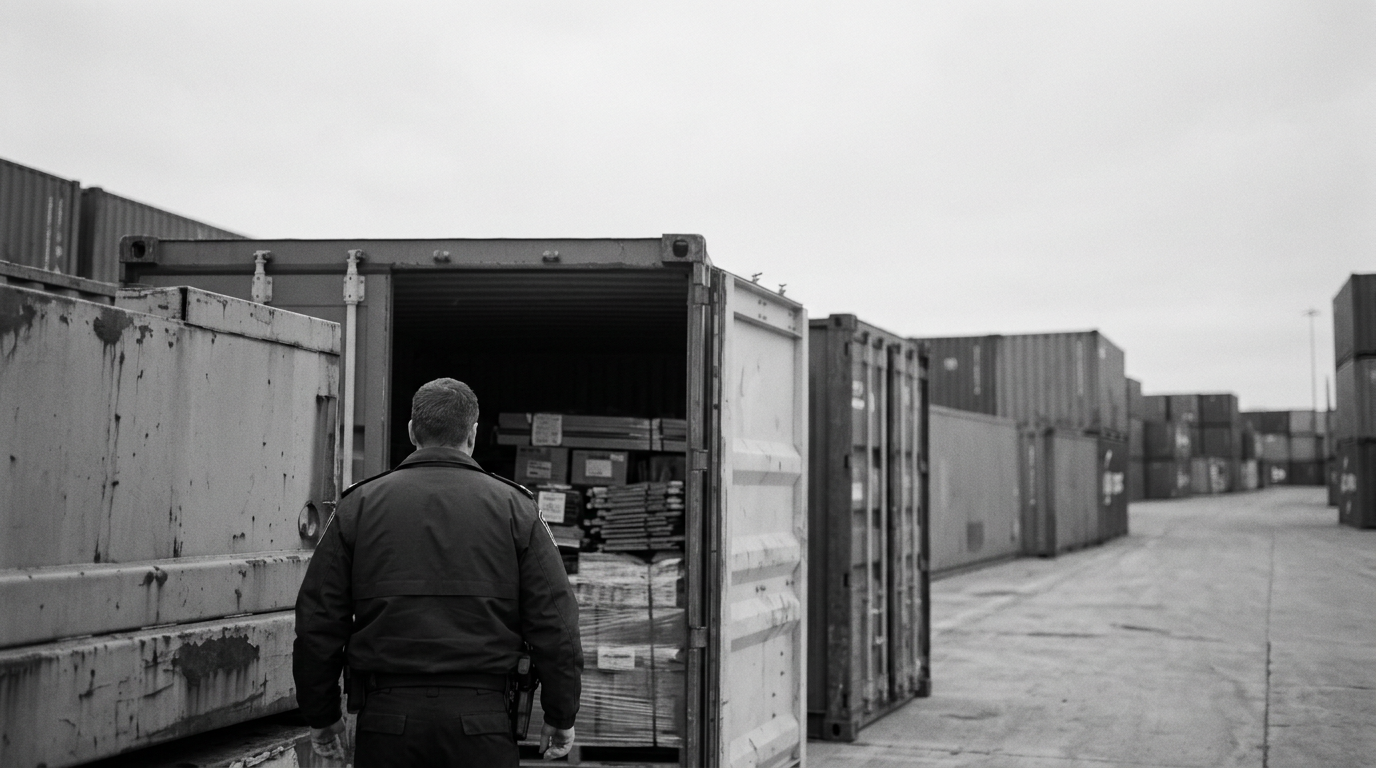
Canada is preparing to implement retaliatory tariffs on imports from the United States, following the collapse of trade negotiations in Washington on Friday. This decision comes as the United States moves to impose a 50 percent tariff on approximately $20 billion worth of Canadian goods. The breakdown occurred despite a three-day extension granted for discussions, highlighting deep divisions between the two major trading partners.
Officials from both nations offered differing accounts of the impasse. United States trade representatives indicated that Canada introduced new demands during the final stages of the talks, which they claimed disrupted previously agreed-upon commitments. Conversely, Canadian officials described the proposals put forth by the American side as economically unviable for their country.
Escalation of Trade Tensions
The impending tariffs signify a significant escalation in trade tensions between Canada and the United States. The initial American tariffs target about 5 percent of Canada's total annual exports to the US, a substantial portion of the $880 billion in goods and services exchanged between the two countries in the last fiscal year. This volume underscores the critical nature of their economic relationship.
The Canadian government's response is expected to involve measures designed to match the financial impact of the American levies. This tit-for-tat dynamic creates a risk of broader economic consequences for both countries. Industries heavily reliant on cross-border supply chains for components, raw materials, or finished products are particularly vulnerable to disruption.
Potential Economic Disruptions
The failure to secure a trade agreement could usher in a period of prolonged trade uncertainty. Such an environment typically deters investment decisions and may contribute to increased consumer prices across North America. Businesses operating in sectors like automotive, agriculture, and manufacturing, which are deeply integrated across the Canada-US border, face potential instability and increased operational costs.
Past trade disputes between the two nations, though often resolved, have consistently demonstrated the interconnectedness of their economies. The current situation, however, involves a direct imposition of tariffs, which historically have led to increased costs for consumers and reduced competitiveness for businesses. Moving forward, the path to resolution will likely depend on the willingness of both sides to revisit and potentially compromise on the 'new demands' and 'established commitments' that led to the present stalemate.
Observers will be closely monitoring how the respective governments navigate these immediate economic pressures and whether further high-level negotiations can be initiated to prevent a more protracted trade conflict. The implications extend beyond immediate economic impact, potentially influencing political relations and future bilateral agreements.