UAE Quits OPEC After 56 Years
UAE will leave OPEC and OPEC+ next month, ending membership since 1967 and seeking flexibility to raise output after capacity investments.
Atlas Newsdesk ·
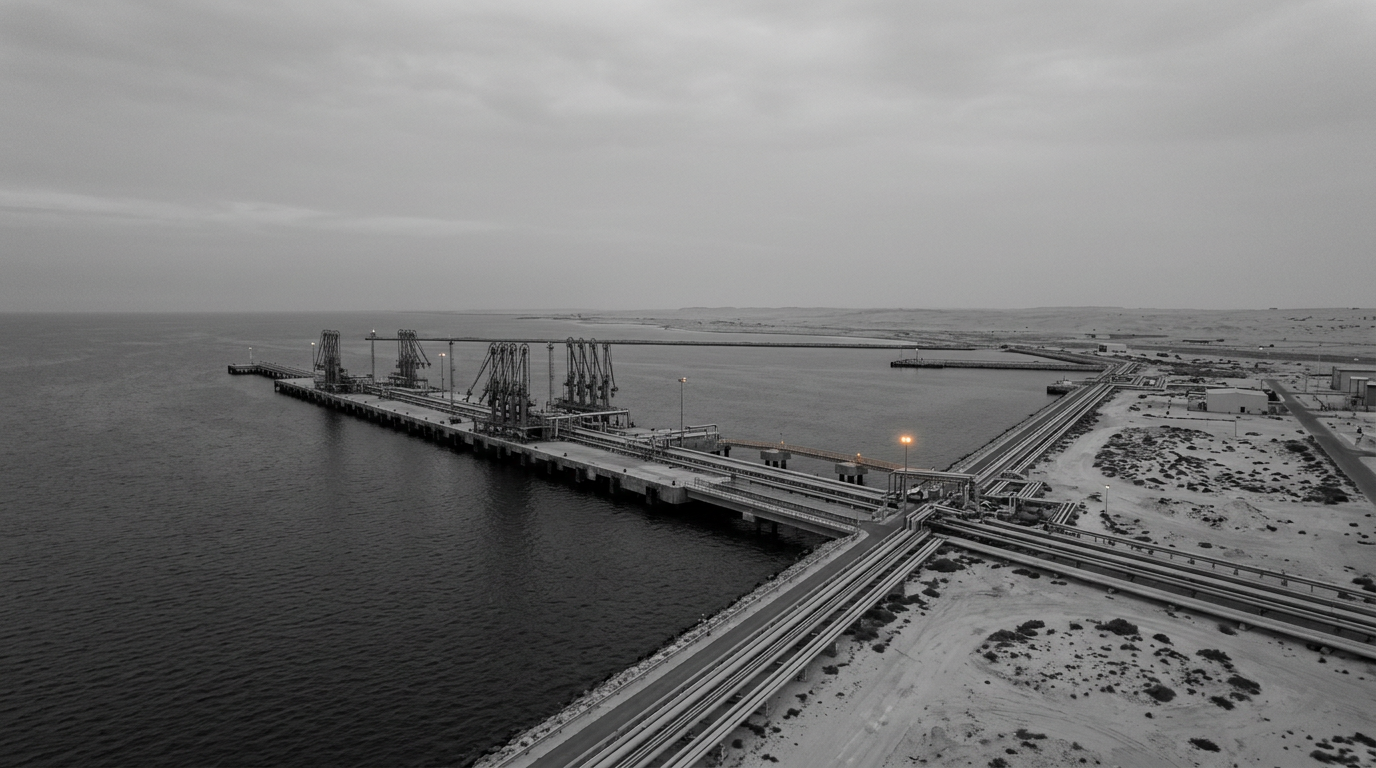
The United Arab Emirates will withdraw from the Organization of the Petroleum Exporting Countries (OPEC) and the wider OPEC+ alliance next month, ending a membership that began in 1967. The decision was announced four hours ago, according to the source material.
Officials have framed the move as a way to gain more room to raise oil production in response to global energy demand. The source material links the decision to major investments the UAE has made to expand its production capacity.
Membership count falls to 11 as UAE leaves OPEC and OPEC+
The UAE’s departure will reduce OPEC’s membership to 11 countries. The UAE has been described in the source material as one of the group’s most compliant members, a point cited as part of the market significance of the exit.
Analysts quoted in the source material said the decision could erode OPEC’s influence. One expert characterized the development as “the beginning of the end” for the organization.
Production capacity and quota flexibility at the center of the shift
The source material projects that the UAE’s exit would remove about 15% of OPEC’s total production capacity. It also says the change could contribute to higher market volatility and, over the longer term, lower oil prices.
In output terms, the UAE produced 2.9 million barrels of oil per day in 2024, compared with Saudi Arabia’s 9 million barrels per day, according to the figures provided. Experts cited in the source material estimate the UAE could lift production by around 1 million barrels per day once it is outside OPEC’s quota system.
World Bank flags conflict-driven supply losses and higher prices
The development comes as the World Bank reported that conflicts in the Middle East have led to the largest oil supply loss on record. The World Bank also projected a 25% average increase in energy prices this year, the source material said.
How quickly the UAE adjusts production after leaving, and how other producers respond within OPEC and OPEC+, remain key uncertainties highlighted by the scale of the capacity and quota changes described in the source material.