UN to Debate Hormuz Security Amidst Tensions
UN to vote on a Strait of Hormuz security resolution as threats, strikes, and refinery damage intensify regional tensions and costs.
Lauren Collins ·
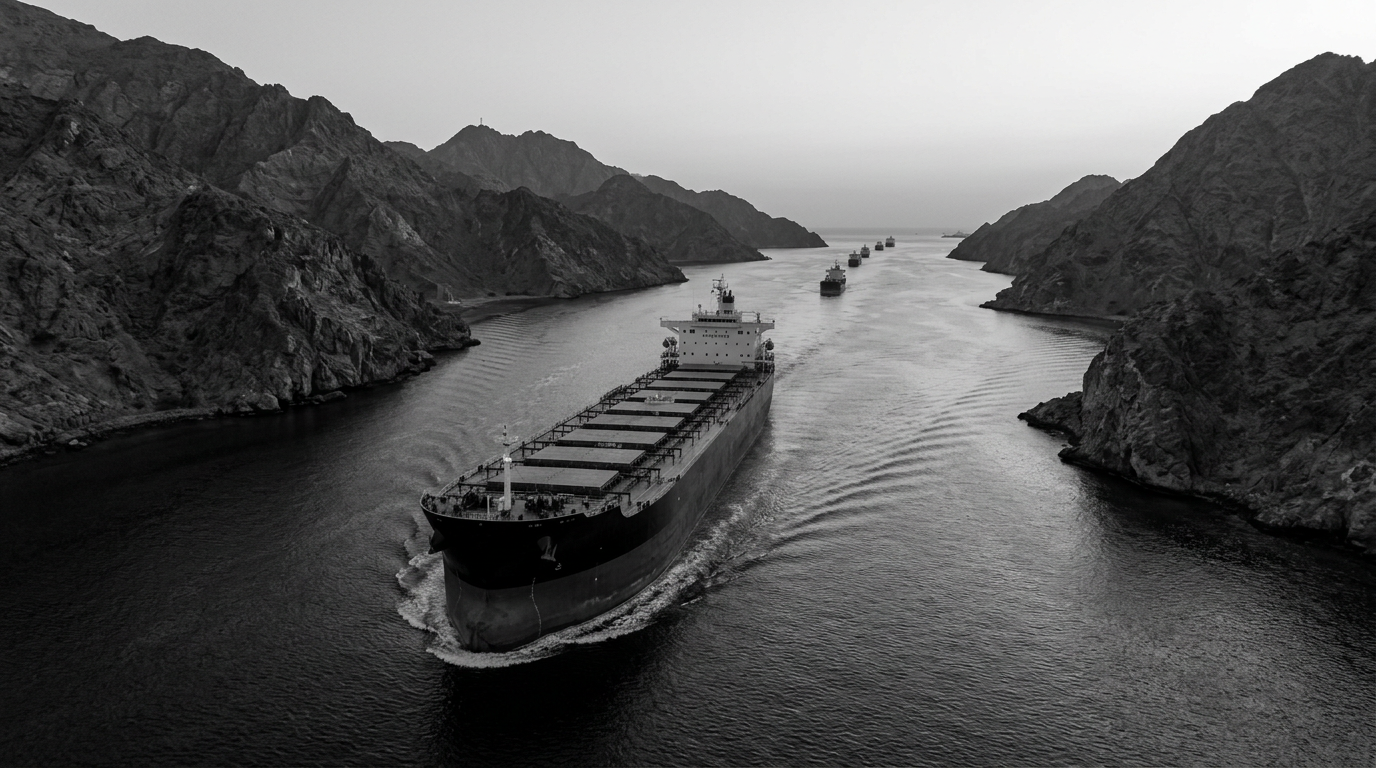
The United Nations Security Council is set to vote on a draft resolution that would authorize member states to use “all defensive measures” to protect shipping through the Strait of Hormuz. The vote comes as tensions rise across the Gulf and surrounding region, with officials linking the push for action to escalating threats and attacks affecting multiple countries and key infrastructure.
The move follows renewed threats directed at Iran by former U.S. President Donald Trump. He posted a video on social media showing a strike on a bridge in Karaj, Iran, which local officials said killed eight people. Trump later wrote on Truth Social that the United States “hasn’t even started destroying what’s left in Iran,” and warned of additional strikes on Iranian infrastructure.
Iran’s Foreign Minister Abbas Araghchi responded by saying America’s international image would not recover from the bridge strike. At the same time, Iran reported overnight strikes on targets in Israel, the UAE, and Bahrain. Israel said its defensive systems intercepted incoming threats, underscoring the widening geographic scope of the confrontation and the role of air and missile defenses in limiting damage.
The conflict has also carried a heavy financial burden for the United States, according to Pentagon figures cited in the latest updates. The Pentagon reported an initial expenditure of $11.3 billion in the first six days of the war last month. Current estimates put the ongoing cost at about $385 million per day, highlighting the scale of resources being consumed as operations continue.
Energy infrastructure has been directly affected. Kuwait Petroleum Corporation, the state-owned oil company, said its Mina al-Ahmadi refinery was struck by drones, triggering fires in several operating units. The incident adds to concerns about the vulnerability of critical facilities in the Gulf and the potential for disruptions that could ripple through energy markets and maritime trade routes.
The Strait of Hormuz is a strategically important shipping lane, and the proposed resolution is framed as a step to contain escalating risks and safeguard transit. Officials have not detailed how member states would implement “all defensive measures,” leaving uncertainty over the operational scope, coordination mechanisms, and how actions would be interpreted by parties to the conflict.