Trump's NATO Warning: Iran Conflict Looms Larger
Trump NATO threats tied to Strait of Hormuz deployments deepen alliance strain amid the U.S.-Israeli conflict with Iran, reported April 3, 2026.
Lauren Collins ·
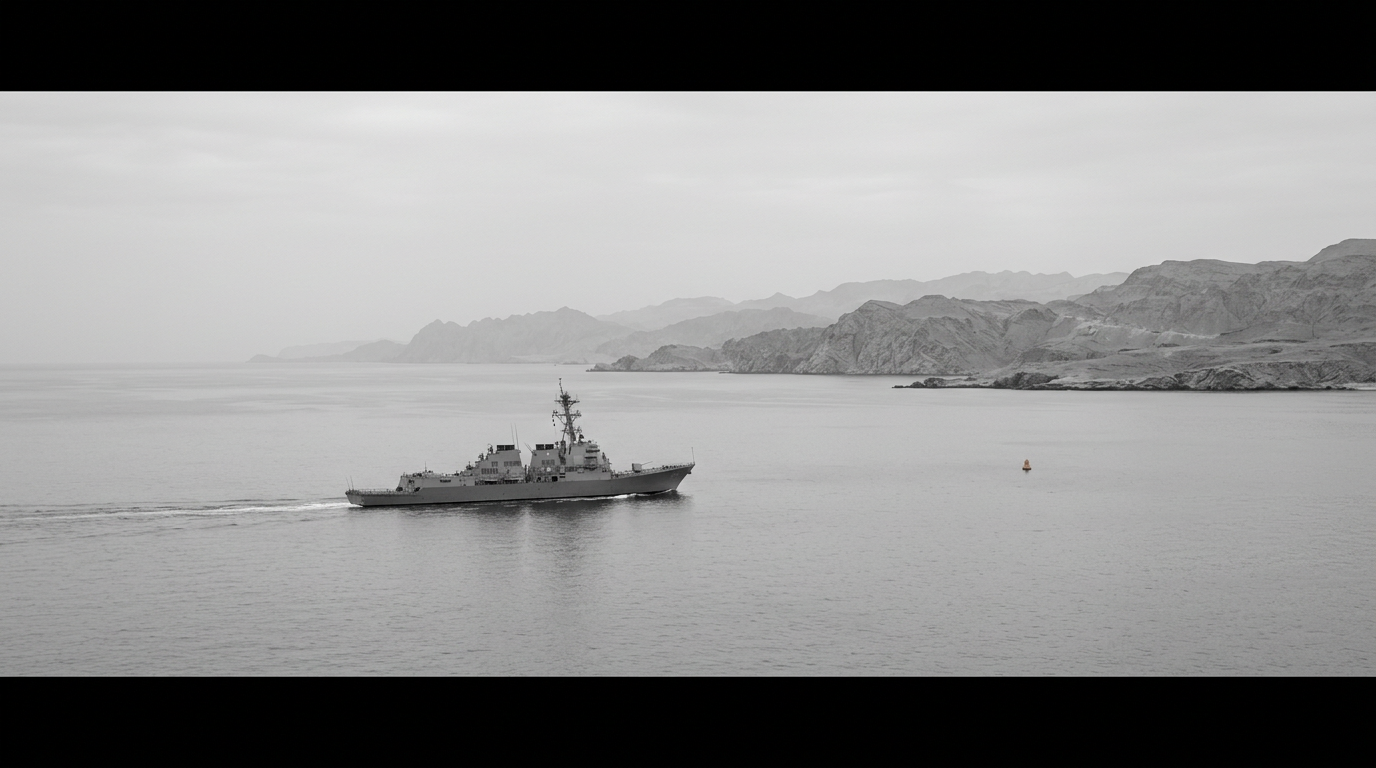
NATO is facing renewed internal pressure after U.S. President Donald Trump raised the possibility of leaving the alliance, linking his frustration to European governments’ reluctance to send naval forces to the Strait of Hormuz. The comments, reported on April 3, 2026, come amid a U.S.-Israeli conflict with Iran and have sharpened concerns among analysts and diplomats about the durability of the 76-year-old mutual defense pact.
In a Wednesday interview, Trump questioned why he should not consider withdrawing from NATO if European allies would not back U.S. priorities in the Strait of Hormuz. The dispute follows the start of an air war on February 28, a timeline that has heightened the sense of urgency around allied coordination and burden-sharing.
Trump did not directly attack NATO in a later speech, but his earlier remarks intensified anxiety in allied capitals about whether the United States would reliably meet its mutual defense commitments to European partners even without a formal exit. Diplomats and analysts cited in the source described the moment as a serious test of alliance cohesion, with the Hormuz debate becoming a focal point for broader questions about U.S. intentions.
Max Bergmann of the Center for Strategic and International Studies said the alliance is in its most precarious position in its history. The assessment reflects a view that the combination of a major Middle East conflict and open questioning of NATO membership by a sitting U.S. president creates an unusually high-stakes environment for transatlantic security planning.
European officials who had previously brushed aside the idea of an independent European defense posture are now increasingly treating it as a practical requirement, according to the source. General Francois Lecointre, the former chief of the French armed forces, went further by suggesting that allies should even ask whether the alliance should keep its current name, underscoring the depth of the debate now underway.
From Washington, White House spokeswoman Anna Kelly said Trump was disappointed with allies and that the United States would “remember” how partners acted. The statement added to the sense that the dispute is not limited to immediate operational decisions in the Strait of Hormuz, but also touches on longer-term political trust inside the alliance.