UN Rejects Hormuz Force Amid Iran Strait Standoff
UN blocks Hormuz force bid as Russia, China and France oppose “all necessary means” language; Bahrain-led vote is set for Friday.
Lauren Collins ·
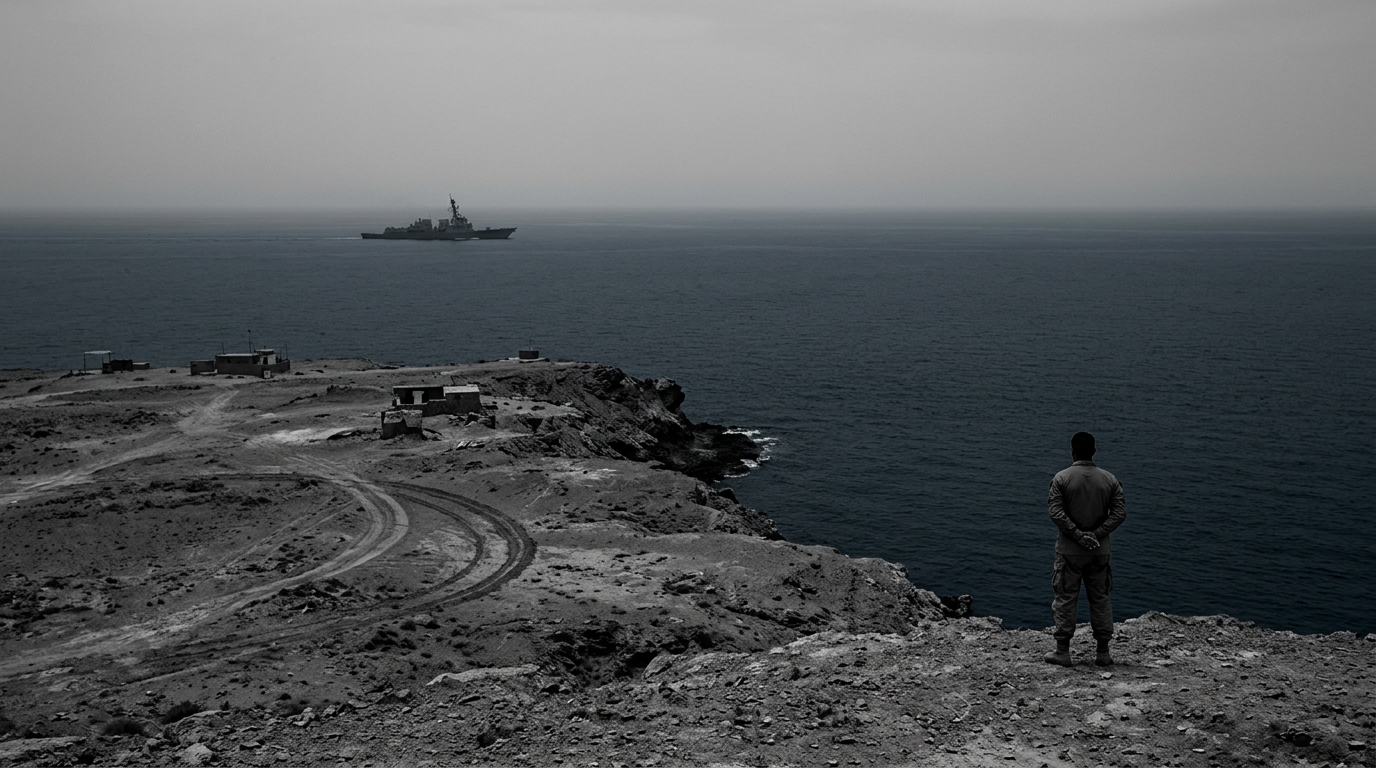
Russia, China, and France on Thursday blocked an effort at the United Nations Security Council to authorize military action against Iran aimed at reopening the Strait of Hormuz, according to officials familiar with the talks. The push, led by Bahrain and backed by Persian Gulf Arab countries, sought language that would allow UN member states to use “all necessary means” to protect transit passage and deter interference in the waterway.
Those three permanent members, each holding veto power, opposed that wording, leaving the outcome of the initiative in doubt.
The draft resolution is scheduled for a vote on Friday, but its passage remains uncertain because of the split among Security Council powers. Diplomats said the text has already gone through four revisions after weeks of negotiations, reflecting the difficulty of reaching consensus on how far the Council should go in endorsing the use of force. The latest version would enable states to act either individually or through multinational naval partnerships to ensure freedom of navigation.
The dispute comes after Iran closed the Strait of Hormuz following a conflict initiated by the United States and Israel on February 28. The strait is described as a critical maritime chokepoint through which one-fifth of the world’s oil and gas typically transits. Officials said the closure has triggered global energy disruptions, weighed on financial markets, and pushed up costs tied to oil, shipping, and insurance.
Officials also said Iran has carried out retaliatory attacks against Arab nations in the Persian Gulf, causing at least 18 civilian deaths and damaging infrastructure. Bahrain’s Foreign Minister, Abdullatif bin Rashid Al Zayani, said Iran’s actions were “treacherous” and in violation of international law. The draft resolution’s supporters argue that a UN-backed mandate would strengthen efforts to secure navigation and deter further interference.
S. support. French President Emmanuel Macron also described the idea of forcing the strait open as unrealistic because of the significant risks involved. With key Security Council members resisting language that could be read as authorizing military action, the vote is set against a backdrop of heightened regional tensions and continued uncertainty over how, or whether, the waterway will be reopened.