UN Gaza abuse report puts new pressure on Washington’s aid safeguards
UNFPA’s reported 27 percent rise in gender-based violence in Gaza from April to June gives the White House and Congress a sharper oversight test as they…
Lauren Collins ·
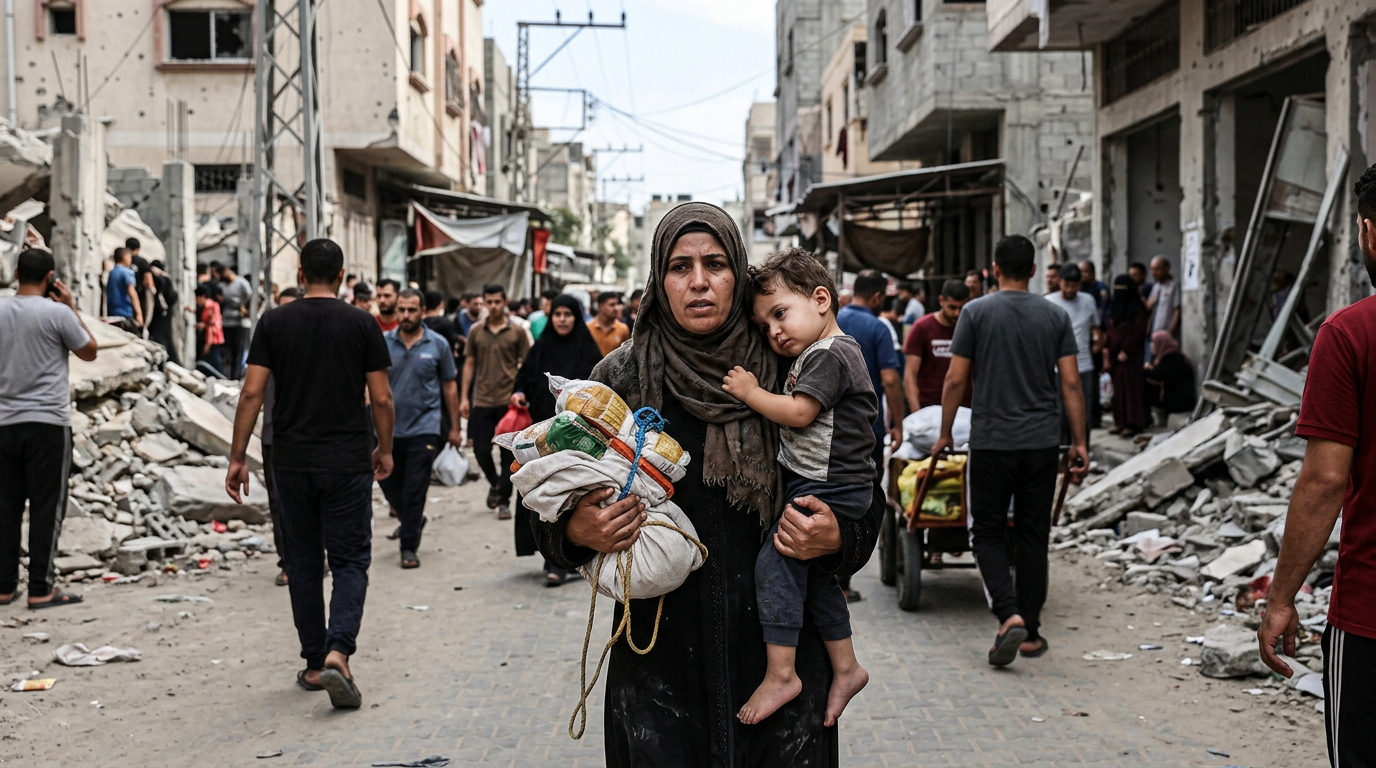
UN Gaza abuse report puts new pressure on Washington’s aid safeguards
WASHINGTON, September 23, 2026: A UN Population Fund report showing a 27 percent rise in gender-based violence in Gaza from April to June is forcing a harder US aid question: how to keep relief moving while reducing exploitation risks for women and girls. The reported increase covers forced child marriage, sexual violence and other abuse indicators, according to the agency’s recent findings.
For Washington, the number turns a humanitarian crisis into an oversight problem. The White House, State Department, Pentagon and Congress all have roles in shaping Gaza aid flows, but none can treat protection for women and girls as a side issue if the abuse data keeps deteriorating.
Gender-based violence usually becomes harder to measure in war, not easier. Families are displaced, police and courts stop functioning, clinics lose staff and survivors often avoid reporting abuse because of stigma, fear of retaliation or lack of safe transport.
That means a reported 27 percent increase from April to June is not just a social indicator. It is a warning that the systems meant to detect, prevent and respond to abuse are under strain at the same time basic food, shelter and medical access remain contested.
UN Gaza
The Washington policy lane is narrow. US officials want humanitarian relief to reach civilians in Gaza, but they also face pressure from Congress to track where money goes, which partners distribute aid and whether assistance can be diverted, blocked or used in ways that deepen civilian harm.
The State Department usually leads the diplomatic side of that equation, pressing partners and international organizations on access, monitoring and compliance. The Pentagon’s role is more limited but still relevant when security coordination, logistics or regional military relationships affect how aid corridors operate.
Congress controls funding and can attach reporting requirements, certification language or restrictions to appropriations. In a Gaza aid package, that could mean requiring agencies and implementing partners to document protection services, referral pathways for survivors, safe distribution practices and abuse reporting protocols.
The White House also has to manage the regional diplomacy. Pressure on Israel, coordination with Egypt and engagement with Palestinian institutions each carry political cost, but all can shape whether humanitarian access improves or whether civilians remain dependent on fragmented and unsafe distribution channels.
The core protection issue is practical. When food, water and shelter are scarce, families can face coercive choices, and girls are often exposed first through child marriage, transactional exploitation, unsafe displacement routes or abuse by people controlling access to resources.
International law gives children and civilians specific protections in armed conflict, but legal obligations do not automatically produce field capacity. Aid groups need secure movement, trained staff, confidential reporting channels and services that allow survivors to seek help without being exposed to further harm.
The Gaza data also lands in a domestic political environment where humanitarian aid is no longer judged only by tonnage or dollar value. Lawmakers increasingly ask whether programs can prove that assistance reaches intended recipients, avoids sanctioned actors and includes safeguards against abuse during delivery.
That creates tension for the Trump administration. More conditions and reporting can improve accountability, but if they slow procurement, approvals or partner operations, they can also delay food, medicine and shelter in a crisis where delays carry their own risk.
The most direct US lever is funding design. Washington can earmark money for women’s protection services, require partners to train distribution staff on exploitation risks, support mobile clinics and safe spaces, and demand incident reporting that does not expose survivors’ identities.
A second lever is diplomacy. US officials can press Israel and regional partners for predictable crossings, safer aid routes and permission for specialized protection teams to operate alongside food and medical providers.
A third lever is transparency. Congress can require regular public reporting on protection indicators, though officials would need to avoid releasing details that identify survivors, locations of shelters or aid workers operating under threat.
The harder question is whether Washington can do all three at once. If it prioritizes speed alone, aid may move without enough safeguards; if it prioritizes controls alone, the pipeline may slow while conditions for civilians worsen.
The falsifiable test is whether the Trump administration or Congress writes gender-based violence safeguards into the next Gaza aid decision by December 22, 2026. If a package or directive includes explicit survivor protections, monitoring requirements and partner accountability tied to Gaza relief, the UNFPA figures will have moved from humanitarian warning to Washington policy design; if aid expands without those safeguards or public reporting is delayed, the abuse data will have produced little measurable change in US practice.
The macro effect would differ by path. If safeguards are embedded without slowing aid, Washington can argue that civilian protection and relief access are reinforcing goals, which would support broader US diplomacy with regional partners; if safeguards become a procedural choke point, the administration risks criticism that oversight is reducing humanitarian throughput.
For the agencies and organizations delivering relief, the operational consequences are immediate. A stronger US framework would likely require more documentation, survivor referral systems, staff training and auditing, raising administrative burdens but also clarifying what Washington expects from partners.
For the wider humanitarian sector, Gaza could become a template. If Congress demands abuse-prevention metrics in one of the world’s most scrutinized crises, similar language could appear in future conflict aid packages, shifting protection from a program category to a condition of US-backed relief.