Chinese Agribusiness Shifts to Ecosystem Development in Southeast Asia
Chinese agricultural firms are moving beyond simple product exports in ASEAN, focusing instead on integrated ecosystem development to meet evolving regional…
Mei Lin ·
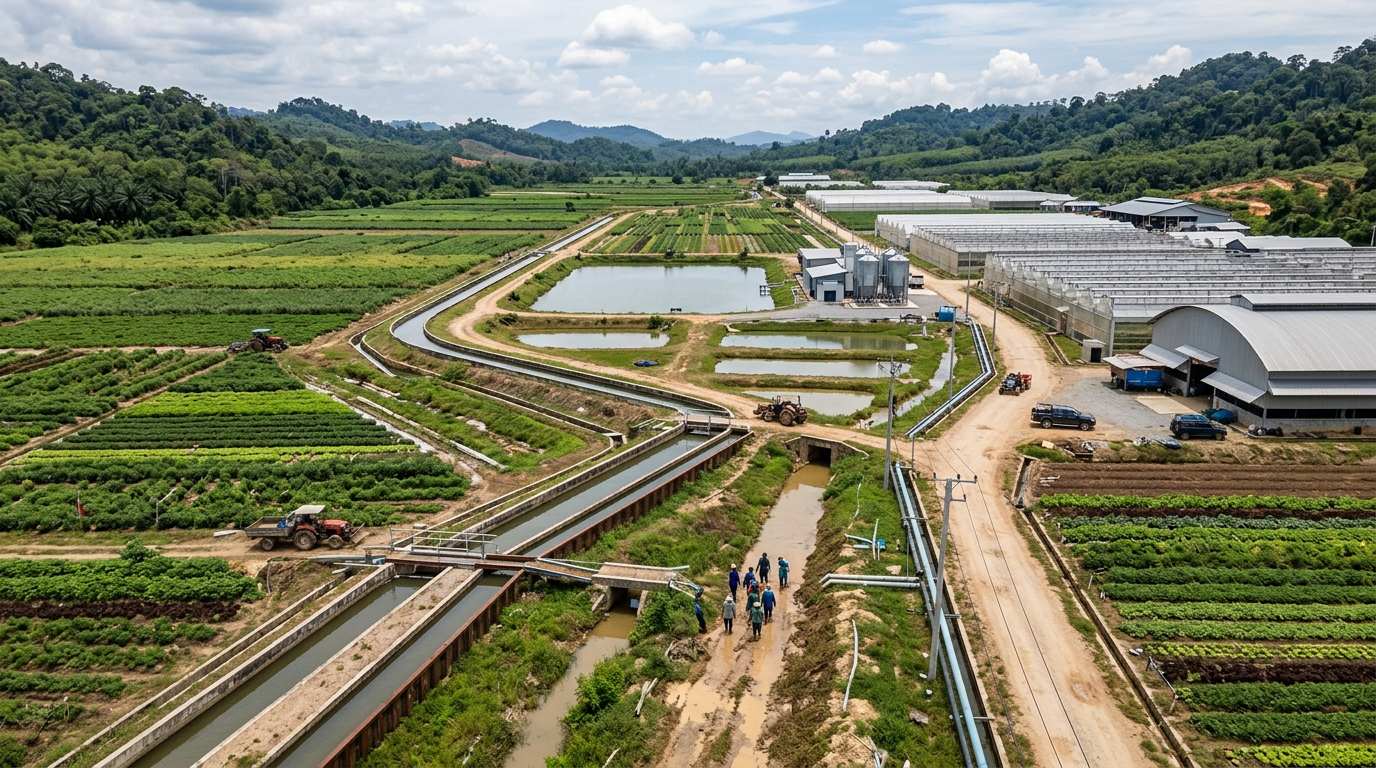
Chinese agricultural companies are recalibrating their approach to Southeast Asian markets, shifting from a focus on product sales and technology transfer towards comprehensive ecosystem development. This strategic pivot, noted by Zixin Group Holdings Executive Chairman Liang Chengwang, reflects evolving demands within the Association of Southeast Asian Nations (ASEAN) and signals a new phase in regional economic integration.
Shifting from Seed Exports
For decades, China's engagement in ASEAN's agricultural sector largely centered on exporting seeds, transferring technology, and shipping equipment. Chinese agricultural firms absorbed overseas seed varieties, which then supplied their domestic markets. This model facilitated a transactional relationship, primarily driven by the export of goods and technical know-how from China to its regional partners.
The People's Republic of China (PRC) has been a significant trading partner for ASEAN countries, with agricultural products forming a substantial part of this exchange. This historical engagement provided foundational support for local agricultural development but primarily operated on a bilateral, product-oriented basis, rather than deeper integration into value chains.
New Regional Demands Emerge
This shift to ecosystem building is driven by new demands within ASEAN, which collectively represents a market of over 670 million people. Member nations increasingly seek solutions addressing food security, supply chain resilience, and agricultural sustainability. These requirements extend beyond individual product imports, necessitating integrated solutions that encompass research, processing, distribution, and local farmer support.
For Chinese firms, this means a move towards developing entire agricultural value chains within ASEAN. This includes investments in advanced processing facilities, collaborative research and development initiatives, and the establishment of local cultivation and distribution networks. Such an approach aims to create mutually beneficial systems that enhance local capabilities while securing long-term market presence.
Reshaping Regional Food Systems
Southeast Asian
The strategic pivot by Chinese agricultural firms has the potential to significantly reshape Southeast Asia's food security and supply chains. By establishing integrated ecosystems, Chinese companies could reduce ASEAN's reliance on external food imports and enhance regional self-sufficiency. This deeper integration may also lead to the adoption of more advanced agricultural practices and technologies across the region. Such large-scale investments carry implications for broader China-ASEAN economic relations, potentially solidifying Beijing's strategic influence. While offering economic benefits, this trend also raises questions for some ASEAN members regarding food sovereignty and market concentration. The World Bank reported ASEAN's agricultural sector contributed 11.3% to its aggregate GDP in 2022, underscoring its economic significance. Deepening Supply Chain Integration This evolving strategy could lead to a more interconnected agricultural supply chain across Southeast Asia. Investments in processing and logistics infrastructure could facilitate the movement of goods, reducing costs and improving efficiency for both Chinese firms and local producers. The mechanisms for this integration often involve joint ventures and local partnerships, which distribute risk and share benefits.
The direct impact on specific companies will vary, with those capable of offering comprehensive solutions likely to gain market share. Wider industry implications include increased competition for local agricultural businesses and potential shifts in regional export dynamics. Countries like Vietnam, Thailand, and Indonesia, with their large agricultural bases, are particularly attractive for these ecosystem investments.
Monitoring Investment Patterns
New announcements of large-scale Chinese agricultural investments or ecosystem partnerships in key ASEAN countries will signal the extent of this strategic shift. A significant multi-country or integrated supply chain investment by a major Chinese agricultural player, demonstrating the 'ecosystem' model, would indicate the trend is solidifying. Conversely, continued focus on bilateral product and technology sales without substantial expansion into integrated value chains would suggest a slower adoption of this strategy.