Ukraine warns winter power gap after strikes
Ukraine warns of a winter power shortfall after overnight strikes left thermal plants largely offline, with officials reporting 13 deaths in 24 hours.
Mateo Fernandez ·
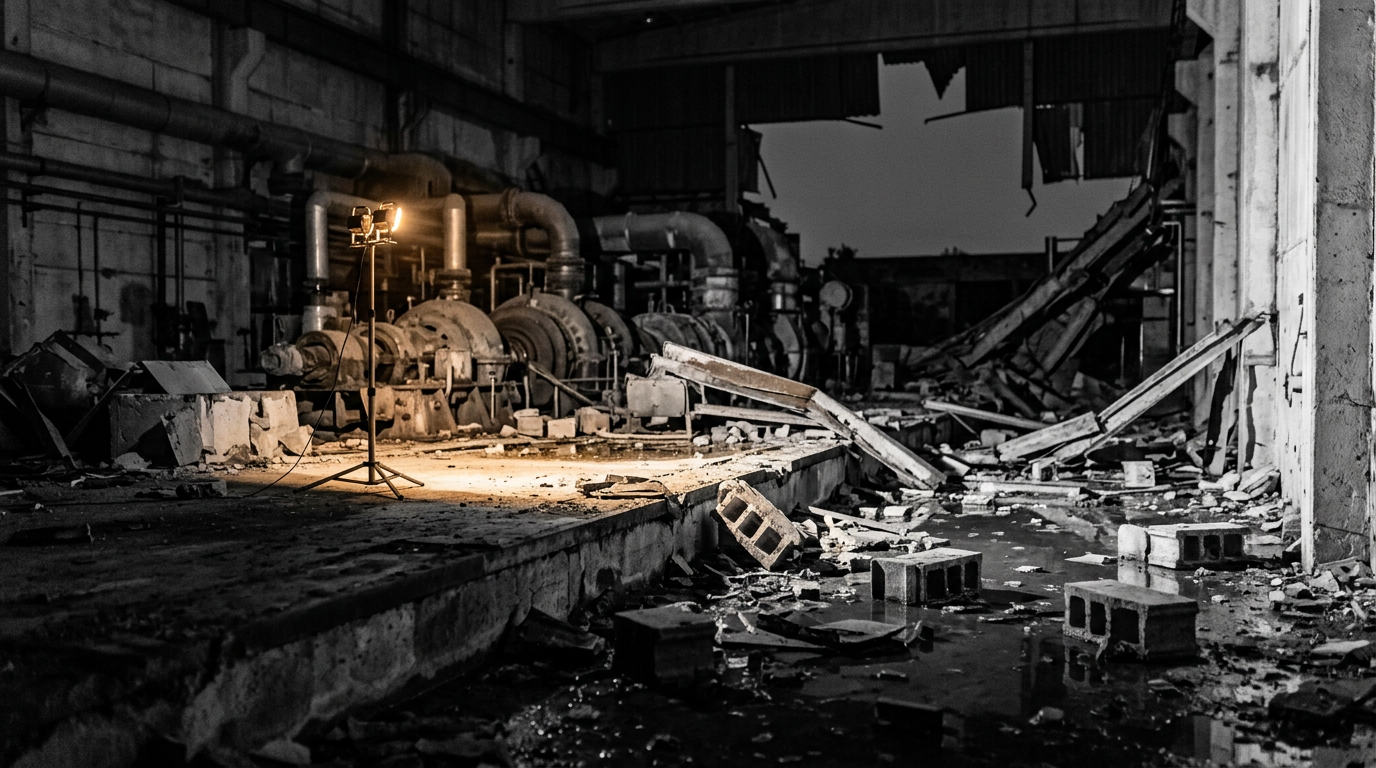
Ukraine is preparing for a difficult winter power season after fresh overnight strikes and continued shelling damaged energy infrastructure and raised immediate humanitarian concerns, President Volodymyr Zelensky said on Saturday.
Speaking in Belgrade, Zelensky said the country is heading into winter with virtually no working thermal power plants. Officials said the overnight attacks killed four people, including a three-year-old child.
Damage to thermal generation and frontline networks
Zelensky said the strikes hit generation infrastructure and Zelensky said the strikes hit generation infrastructure and warned that thermal power plants could be widely unavailable through the winter. Officials said shelling in frontline regions also damaged transmission and distribution assets, compounding risks to local electricity supplies and overall system stability. Officials said the toll from attacks and continued shelling of frontline communities reached 13 deaths over the previous 24 hours, underscoring both the pace of security developments and the strain on essential services. Fuel mix shifts and wider market pressures Officials said that if thermal capacity remains impaired, more electricity demand would shift to gas-fired generation and imported power. That rebalancing would increase pressure on regional wholesale power and gas markets, particularly where supply options are interconnected.
Officials said market participants typically respond to reduced thermal output by increasing short-term procurement and expanding hedging activity. They said such behaviour can intensify price movements across connected European hubs when multiple markets react to the same supply shock.
Grid operators and utilities face a near-term operational test in balancing available supply, fuel logistics, and blackout risk, officials said. They added that restoring damaged plants and power lines can depend on security conditions, which may slow repairs in contested areas and reduce seasonal resilience ahead of colder months.
What officials told operators to track through March 31, 2027 Officials urged market participants and system operators to monitor power flows, increased procurement activity, and outage reports through March 31, 2027, describing that period as a critical window for winter demand and supply dynamics.
Officials said watchlists should include cross-border import capacity and real-time generation availability reports, as these factors can shape how quickly the system can respond to sudden losses of domestic capacity during peak demand periods.
The situation leaves key uncertainties around the timing and scale of repairs, the reliability of generation availability, and how constraints in frontline regions may affect local distribution and wider network operations over the winter months.