Vance targets higher Hormuz energy flows
Vance said the US will pursue higher oil and gas flows via the Strait of Hormuz, with Iran contacts ongoing and more updates expected by Aug. 15, 2026.
Mateo Fernandez ·
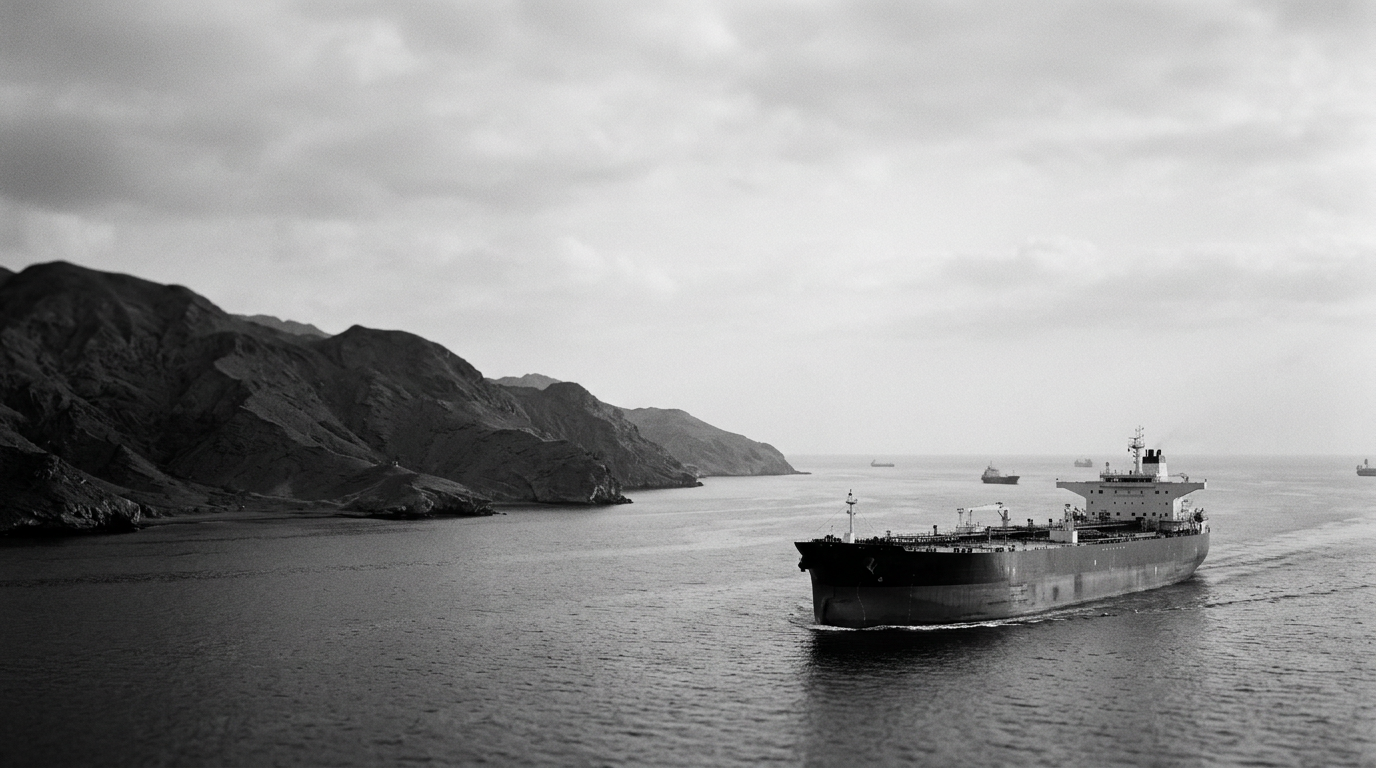
President JD Vance said the administration plans to work toward higher oil and natural gas flows through the Strait of Hormuz, describing the effort as a way to strengthen global energy supply. Officials said communication channels with Iran are continuing as part of that push.
Market reaction was not immediately clear. Officials said oil traders, shipping brokers, and other market participants were tracking official remarks for signs of how quickly any operational changes might emerge.
Plans described as operational and diplomatic
Vance portrayed the initiative as combining practical measures with diplomacy, saying the United States is coordinating with partners to raise throughput. He did not name a specific volume target, and officials did not provide figures for additional barrels or extra gas shipments.
Officials also did not offer a schedule for when higher flows might materialize. They said further statements are expected by August 15, 2026, and advised markets and energy companies to watch for formal operational notices and government updates over the coming week.
Why the Strait of Hormuz matters for crude and LNG The Strait of Hormuz is a principal transit route for seaborne crude and liquefied natural gas moving out of the Gulf. As a result, changes in throughput can influence where vessels are deployed and how shipping is scheduled, particularly for cargoes tied to global benchmark pricing.
Officials said the is to reduce supply-side tightness while diplomatic channels with Iran remain open. They said that lifting throughput would require changes to security arrangements and to commercial logistics, indicating that both government coordination and industry execution would be involved.
Uncertainties for markets and shippers
Without disclosed targets or timelines, the scale and durability of any increase remain unclear. Officials acknowledged that higher flows would depend on adjustments to security and logistics, which can take time to implement and verify.
Vance said that any sustained increase could reshape shipping patterns and may ease pressure on benchmark prices, depending on how large and lasting the change turns out to be. For now, traders and brokers were described as monitoring official statements for concrete operational direction.
Officials said the administration intends to keep diplomatic lines open with Iran alongside operational coordination with partners. They said the next signals for industry are likely to come through formal notices and additional government updates as the August 15, 2026 expectation for further statements approaches.