Ukraine Deploys Drones to Jordan for Defense
Ukraine deployed interceptor drones and operators to Jordan last week at the U.S.'s request, bolstering defenses against Iranian-designed drones.
Lauren Collins ·
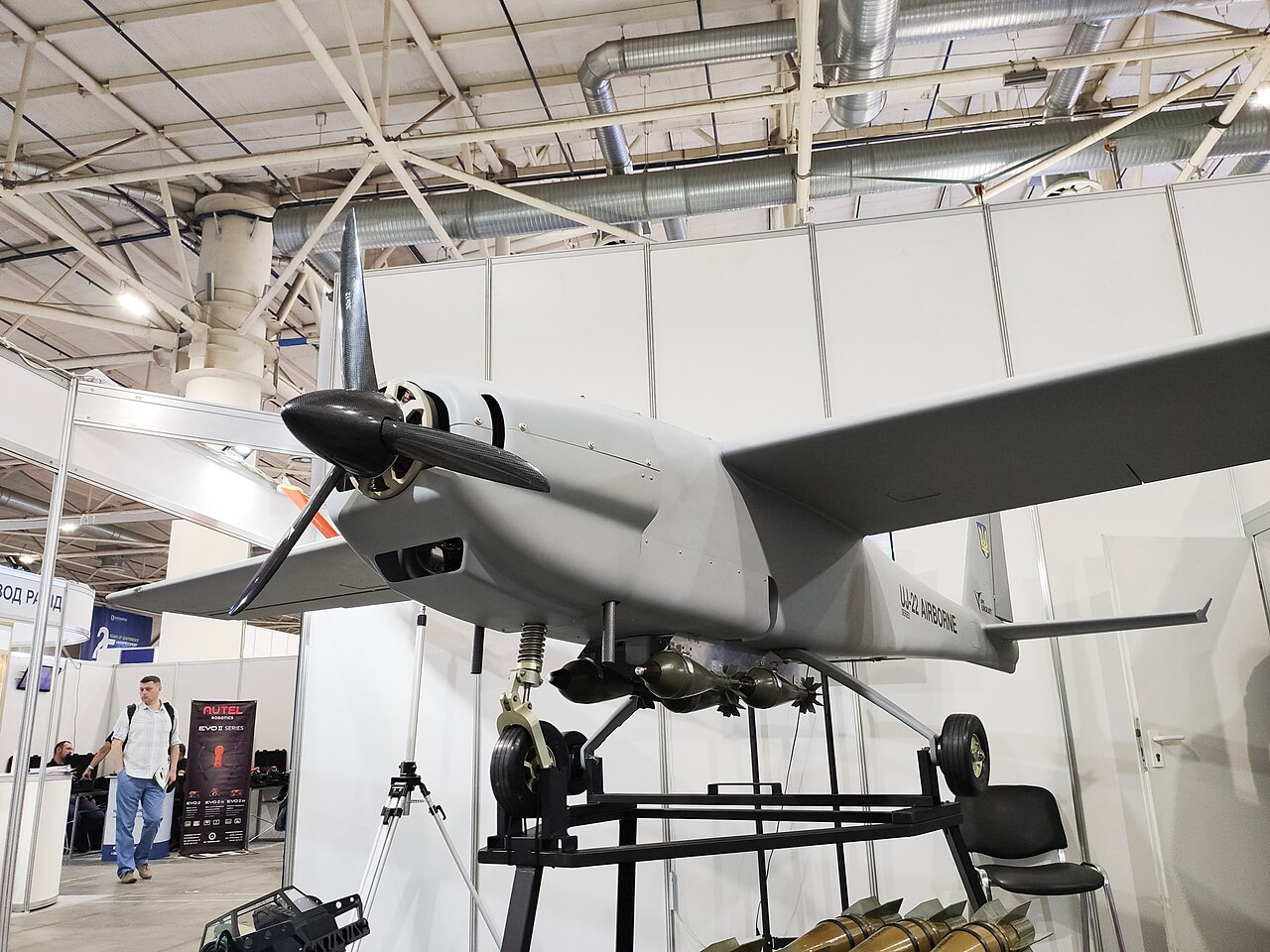
Ukraine has dispatched interceptor drones and specialized personnel to Jordan, responding to a request from the United States. This deployment, which occurred last week, is part of a wider initiative to bolster defense capabilities in 11 nations bordering Iran. The move follows recent escalations in regional tensions, with Ukrainian President Volodymyr Zelenskyy confirming the objective is to protect U.S. military installations in Jordan.
This strategic decision leverages Ukraine's extensive experience in countering drone threats, particularly those posed by Iranian-designed Shahed-136 unmanned aerial vehicles. These drones have been widely used in other conflict zones, providing Ukraine with unique expertise in developing effective countermeasures. The deployment comes amidst reports of damage to radar systems at a U.S. THAAD air defense base in Jordan, attributed to recent Iranian attacks.
Ukrainian Drone Defense Expertise
Ukraine has developed cost-effective air defense solutions, including Sting FPV interceptor drones, which are significantly less expensive than traditional Western systems. These Ukrainian-developed drones reportedly achieve an interception success rate exceeding 85% against Shahed-type drones, costing approximately $2,000 per unit. S.
systems like Patriot and THAAD, which have seen substantial expenditure in the region, including the reported use of over 800 Patriot interceptors within a three-day period last week.
Regional Diplomatic Engagement
Beyond military assistance, Ukraine's engagement in the Middle East also aims to strengthen diplomatic relations with key Gulf and regional states. President Zelenskyy has actively engaged leaders from Saudi Arabia, the UAE, Kuwait, Bahrain, Qatar, and Jordan. This outreach underscores Ukraine's broader foreign policy objectives to build alliances and demonstrate its value as a security partner.
Strategic Geopolitical Context
The deployment is set against a backdrop of complex geopolitical dynamics, including reports that Russia is sharing targeting intelligence with Iran. By offering specialized anti-drone capabilities, Ukraine positions itself as a crucial asset to allies seeking to counter evolving aerial threats. This initiative highlights the global interconnectedness of security challenges and the transferability of defense technologies and expertise across different theaters of conflict.
Implications for Regional Security
The introduction of Ukrainian drone defense technology could alter the calculus of regional air defense strategies. Its cost-effectiveness and proven success against specific drone types offer an alternative to more expensive, high-tech systems. This development may lead to a re-evaluation of defense procurement and operational tactics in the Middle East, particularly concerning asymmetric drone warfare.
The collaboration also signals a deepening of security ties between Ukraine and Western-aligned nations in the region, potentially influencing future defense partnerships and technology transfers.
Implications
Country Impact: Jordan's air defense capabilities are enhanced by Ukraine's specialized drone technology, potentially reducing reliance on more expensive systems. This collaboration also strengthens diplomatic ties between Ukraine and Middle Eastern nations.
Industry Impact: The defense industry may see increased demand for cost-effective, specialized anti-drone systems, potentially shifting procurement trends away from solely high-cost, traditional air defense platforms. Ukraine's success could spur innovation in drone countermeasures.
Market Impact: Regional security concerns, particularly regarding drone attacks, could influence defense spending and investment in related technologies. The deployment might also affect geopolitical risk assessments for the Middle East, impacting energy and financial markets.