UK Factories Face Soaring Costs, Growth Stalls
UK manufacturing costs surged in March as PMI growth slowed to 51, with oil-linked inputs rising and export orders falling fastest since April.
Atlas Newsdesk ·
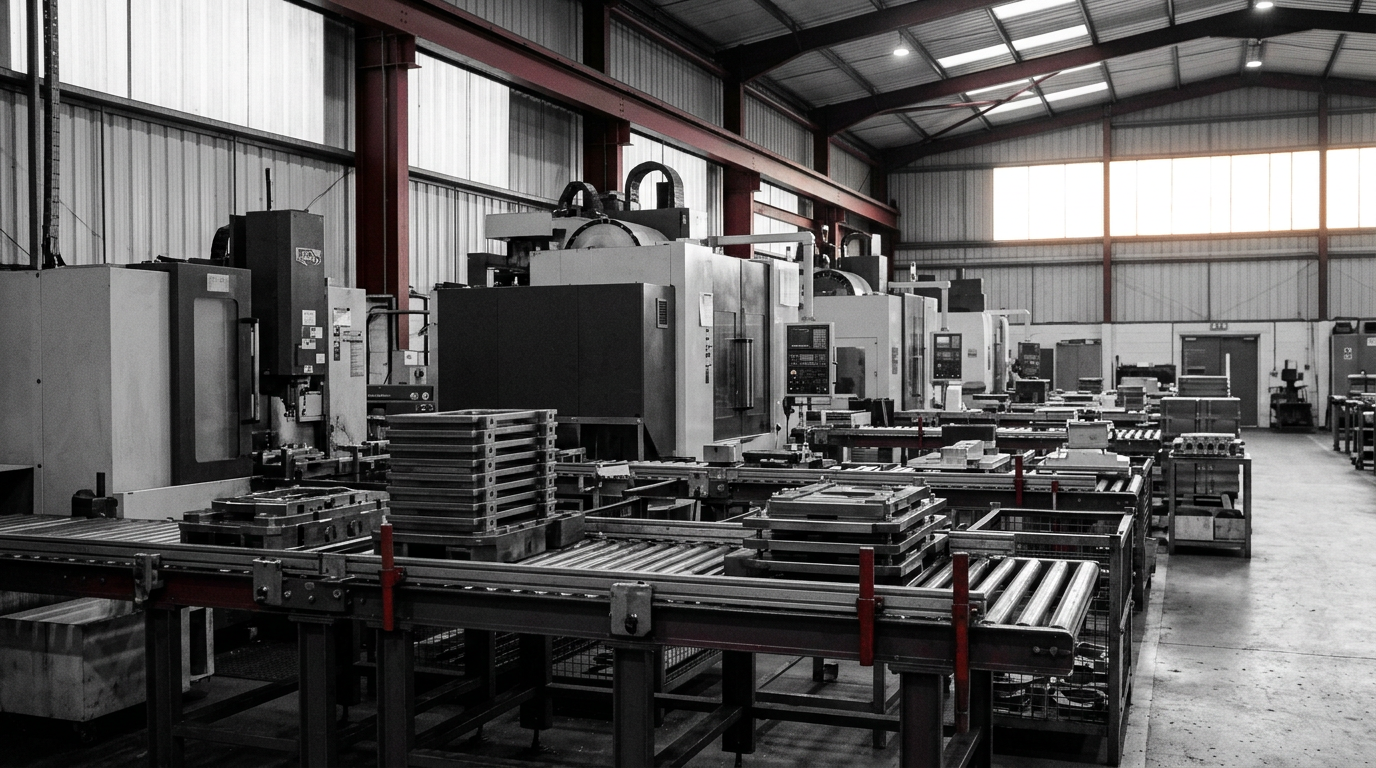
UK factories saw a sudden jump in cost pressures in March, marking the steepest month-to-month acceleration in input inflation since September 1992.
The shift was captured in March Purchasing Managers’ Index (PMI) figures published by S&P Global Market Intelligence, and it coincided with a broader cooling in business activity across the economy.
What changed in March
Manufacturing input-price inflation rose to its highest level since October 2022, with the monthly change described as the biggest since the period after Black Wednesday in 1992.
S&P Global linked the rise mainly to higher oil prices connected to the ongoing conflict in the Middle East, with knock-on effects reported in both manufacturing and services.
Where the pressure is coming from
Companies pointed to fuel, transport costs, and energy-intensive raw materials as the main channels pushing bills higher.
Those inputs matter for a wide range of UK producers, because energy and logistics costs can feed quickly into supplier pricing and delivery charges.
Demand signals weakened
The UK composite PMI, which combines services and manufacturing, came in at 51 in March.
That reading still indicates expansion, but it was a marked slowdown from 53.7 in February, suggesting momentum softened as cost pressures intensified.
Trade and exports: a clearer drag
Businesses reported declines in new orders and export sales, with overseas demand falling at its fastest pace since April last year.
Respondents attributed part of the weakness to delayed projects in the Middle East and reduced international travel, alongside greater customer caution and supply-chain disruption.
Why it matters now
The combination of rising input costs and softer order books can squeeze margins and complicate pricing decisions, particularly for manufacturers that rely on imported energy and globally traded materials.
For policymakers and investors, the data also highlights a familiar tension: geopolitical shocks can lift cost inflation even as growth indicators cool, making the near-term outlook harder to read.
Risks, limits, and what remains uncertain
The PMI findings indicate that sustained geopolitical stress is pushing back the expected manufacturing recovery, and the survey warns of further slowing if pressures intensify.
However, the release does not quantify how much of the cost increase is directly attributable to oil versus other inputs, and it does not specify how long project delays or travel reductions may persist.