Slovenia Caps Daily Fuel Purchases Amid Shortages
Slovenia has imposed immediate fuel rationing, limiting private buyers to 50 liters a day as cross-border demand and price gaps strain supply.
Atlas Newsdesk ·
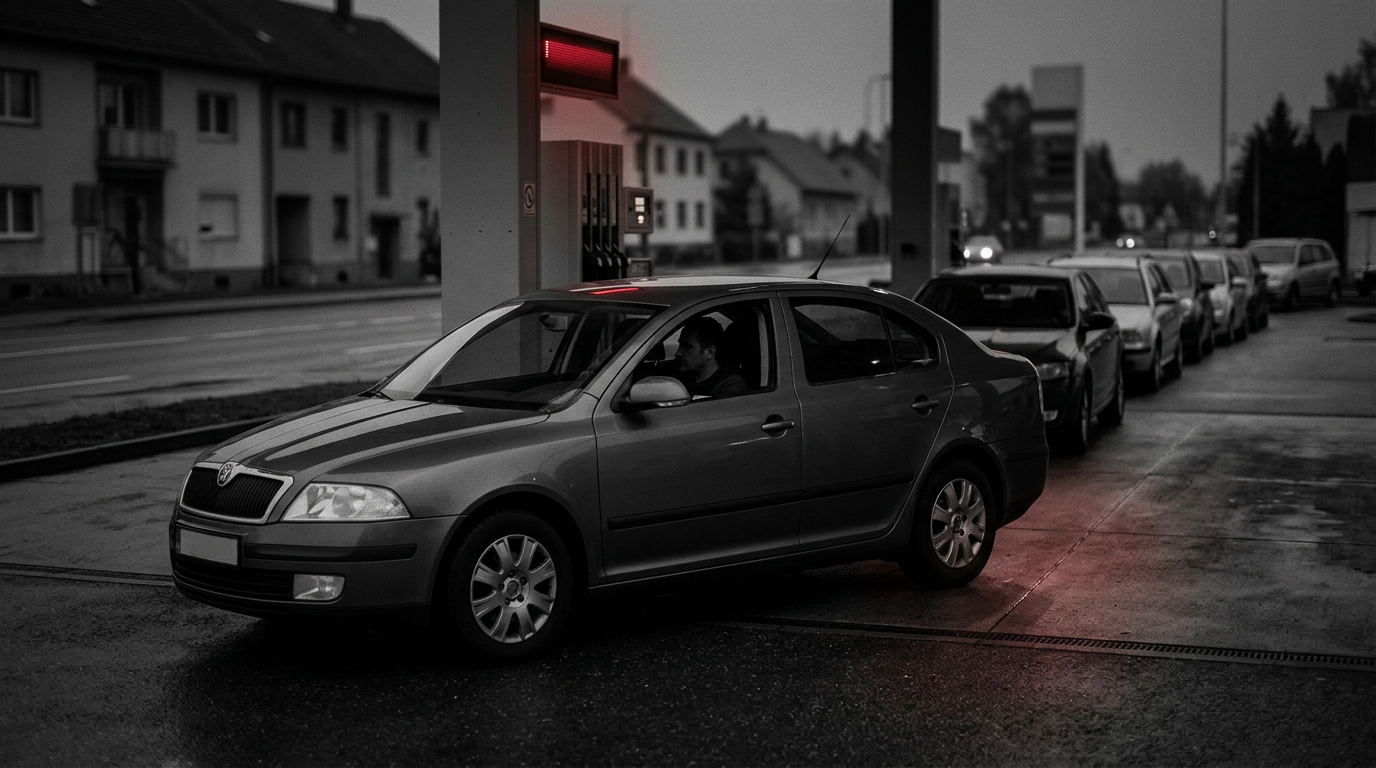
Slovenia has introduced fuel rationing with immediate effect, becoming the first European Union member state to take this step amid turbulence in global energy markets.
The government framed the move as a way to manage supply and cushion the domestic market from sharp international price moves that have widened price gaps with neighboring countries.
What changed and how the rules work
Under the new limits, private motorists can buy no more than 50 liters of fuel per day.
Businesses and farmers are allowed a higher daily ceiling of 200 liters .
Petrol stations are responsible for applying the restrictions, and they have also been encouraged to set tighter limits for foreign drivers.
Why Slovenia moved now
The policy follows disruptions in global energy markets linked in the source material to recent US-Israeli strikes on Iran and retaliatory actions.
Slovenia’s authorities said domestic reserves are adequate, describing warehouses as full, but the rationing is intended to prevent localized shortages and keep supply available for domestic users.
Cross-border price gaps and “fuel tourism”
A key driver cited is “fuel tourism,” where motorists from nearby countries cross into Slovenia to purchase cheaper fuel under government-regulated prices.
The source material highlights Austria as a focal point for this dynamic, with Euro-super 95 in Slovenia capped at about €1.47 per liter versus nearly €1.80 in Austria.
That differential has reportedly increased demand at Slovenian stations and contributed to spot shortages, prompting the government to intervene to stabilize the domestic market.
Market and policy context
Fuel rationing is an unusually direct tool inside the EU, where energy price shocks can quickly spill across borders through consumer behavior and logistics networks.
In this case, the combination of regulated pricing and a large nearby market created incentives for cross-border buying, shifting the pressure from wholesale markets to retail forecourts.
Risks, unknowns, and what comes next
The source material does not specify how long the rationing will remain in place, nor does it detail penalties for non-compliance or the exact mechanisms stations will use to track daily limits.
It is also unclear how strictly tighter limits for foreign drivers will be applied in practice, or how the policy will affect border-area businesses that depend on transit traffic.
For now, the government’s stated position is that reserves are sufficient, while the rationing is designed to manage demand and reduce the risk of further localized shortages.