UK Rejects Trump's Iran Policy Criticism
UK Foreign Secretary Yvette Cooper rejected Donald Trump's criticism of the UK's Iran policy, emphasizing national interests amid escalating Middle East…
Lauren Collins ·
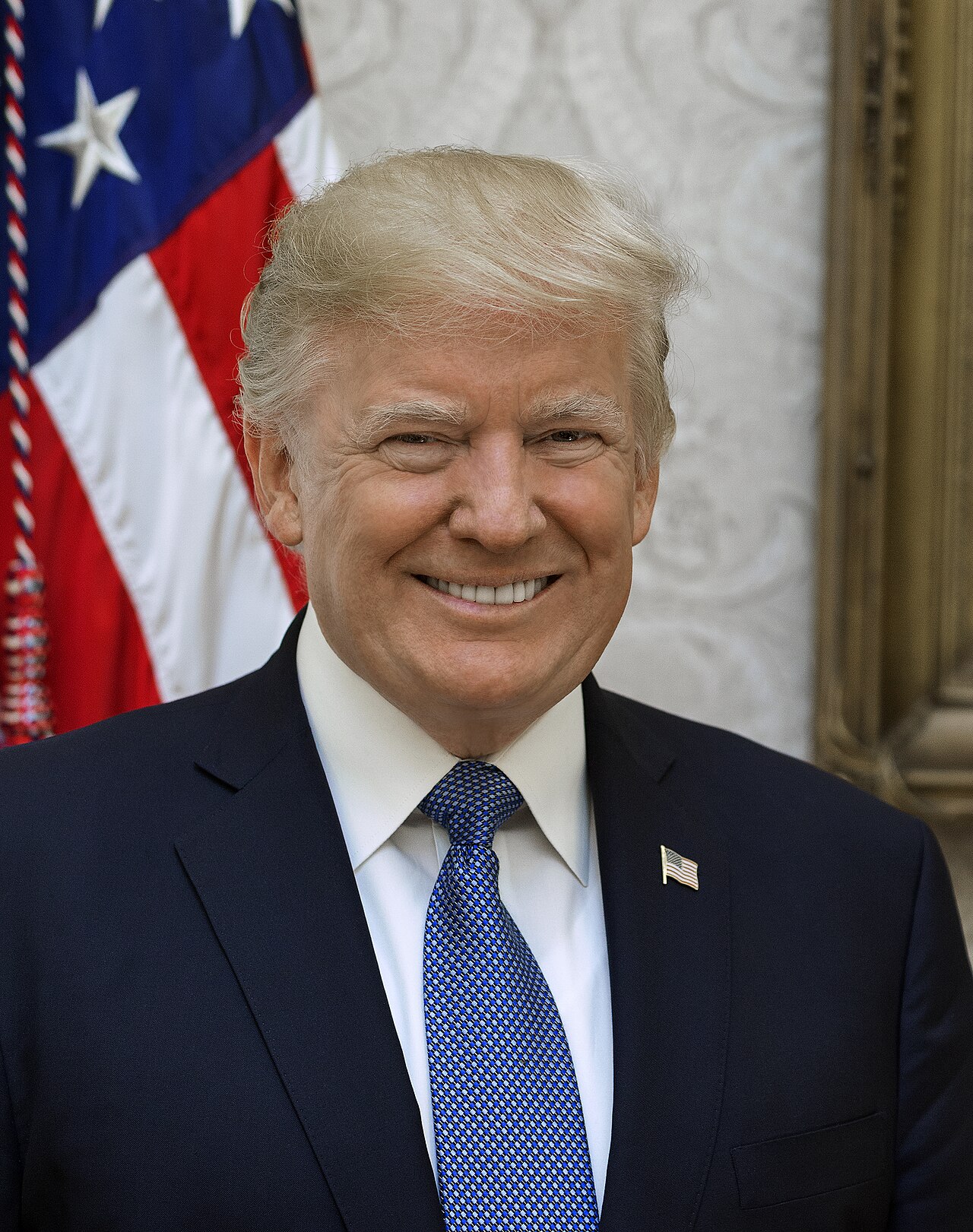
The United Kingdom's Foreign Secretary, Yvette Cooper, publicly dismissed former U.S. President Donald Trump's critique of the UK's Middle East policy on Sunday. Cooper emphasized that the UK government prioritizes its national interests and does not align with all of Trump's views.
Trump had previously commented on social media, appearing to downplay the UK's potential deployment of aircraft carriers to the Middle East. His post suggested that such actions were unnecessary after a conflict had supposedly concluded.
Escalating Regional Tensions
This exchange occurs amid heightened tensions across the Middle East. Israel conducted strikes in Beirut, targeting Hezbollah positions, following an evacuation advisory for southern Lebanon residents. These actions were part of a broader escalation in the region.
Concurrently, Tehran has experienced continued strikes, which began after joint U.S.-Israel operations on February 28. Reports also indicate heavy gunfire near the Israel-Lebanon border and missile interceptions by Gulf states aimed at U.S. military installations.
Humanitarian and Strategic Impacts
The conflict has resulted in significant casualties, including nine fatalities and 27 injuries from a missile strike in Beit Shemesh, Israel. Furthermore, the Strait of Hormuz, a vital global shipping lane, has faced disruptions due to the escalating hostilities.
News of the death of Iran's Supreme Leader, Ayatollah Ali Khamenei, in a U.S.-Israel attack on Saturday morning, reportedly led to celebrations in certain Iranian cities and among Iranian-American communities in Los Angeles.
Political Stance and Outlook
The UK's Foreign Secretary reiterated the government's independent foreign policy stance. This position underscores a divergence from the former U.S. President's perspective on international engagement and conflict resolution in the Middle East.
The ongoing regional instability continues to pose significant challenges for international diplomacy and global trade routes. Observers are closely monitoring further developments and their potential impact on geopolitical alignments.
Implications
Country Impact: The UK's explicit rejection of Trump's criticism signals a continued independent foreign policy approach, potentially influencing future transatlantic relations and diplomatic efforts in the Middle East.
Industry Impact: Disruptions in the Strait of Hormuz could impact global energy markets and shipping industries, leading to increased transit costs and supply chain uncertainties.
Market Impact: Escalating geopolitical tensions in the Middle East typically introduce volatility into global financial markets, particularly in oil prices and defense sector stocks.