Middle East Tensions Rise After US-Israeli Strikes
Middle East tensions rise after US-Israeli strikes on Iran, leading to airspace closures, diplomatic friction, and UN warnings of grave peril.
Lauren Collins ·
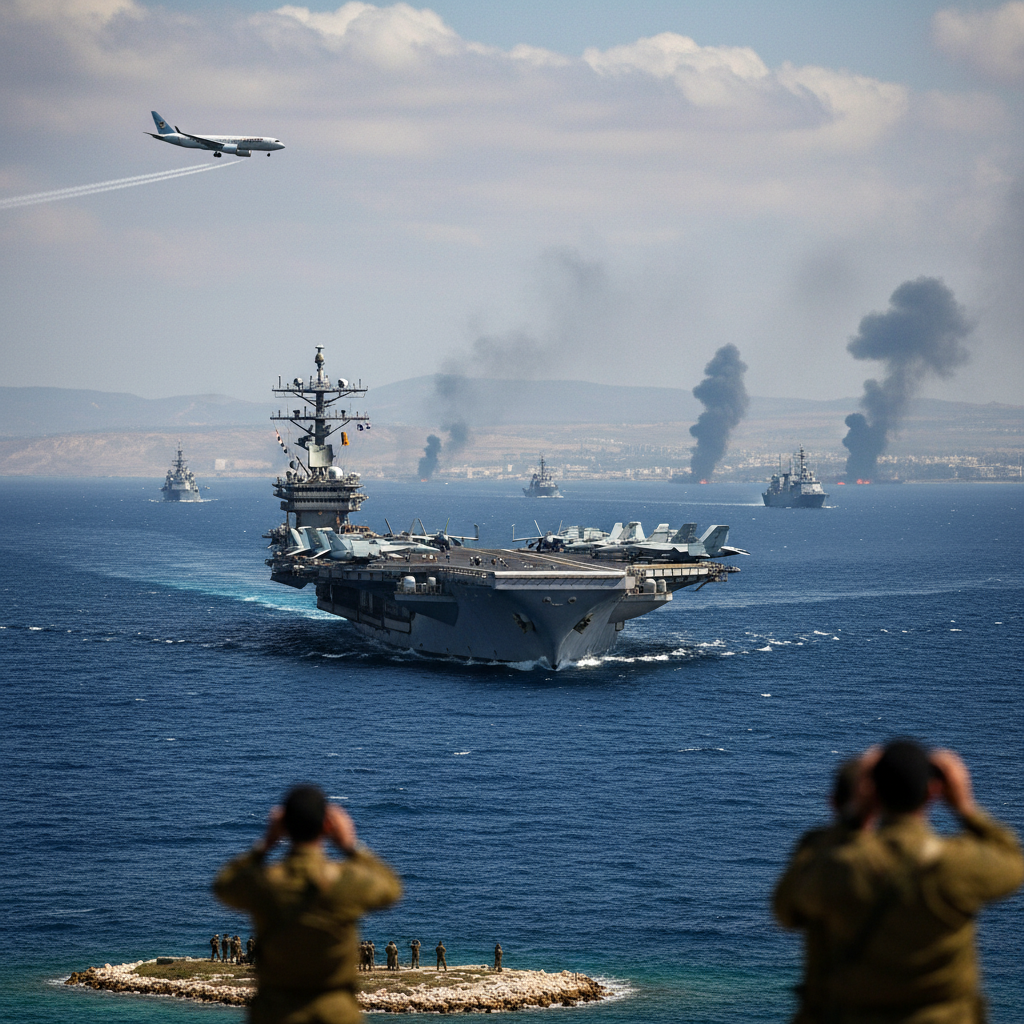
Tensions in the Middle East have escalated following joint US-Israeli military actions targeting Iran, prompting a stark warning from the United Nations regarding regional stability. Airspace restrictions were implemented across the region, disrupting international travel and leading to flight diversions.
US Secretary of Defense Pete Hegseth confirmed an investigation into a reported strike on an Iranian school. Concurrently, Secretary of State Marco Rubio acknowledged a drone strike that occurred near the US consulate in Dubai. These events underscore the widening scope of military engagements.
US President Donald Trump publicly criticized Spain for its refusal to permit the use of its military bases during the operation against Iran. He also commented on the response from UK Prime Minister Keir Starmer, indicating broader diplomatic friction among allies.
Verified footage from news agencies, including the BBC, depicted significant explosions within Iran. The conflict has involved retaliatory actions, such as an Iranian drone crash-landing in Kuwait and the accidental downing of a US F-15 fighter jet by Kuwaiti air defenses, though its six crew members are reported to be in stable condition.
Further incidents include an Iranian attack on a US naval base in Bahrain, which has raised questions about existing air defense capabilities. President Trump issued a warning about potential additional US casualties after three service members were killed in separate incidents.
Iran's state media confirmed the death of Supreme Leader Ali Khamenei amidst the ongoing hostilities. Domestically, protests against the military strikes have taken place in various American cities, reflecting public opposition to the US involvement.
Implications
Country Impact: The escalating conflict could destabilize regional governments and alliances, potentially drawing more nations into direct or indirect confrontation. Diplomatic relations between the US and its European allies, such as Spain, are also showing strain.
Industry Impact: The closure of airspace and disruptions to travel routes significantly impact the aviation and logistics industries. Energy markets face increased volatility due to the geopolitical instability in a key oil-producing region.
Market Impact: Global financial markets are likely to react with increased risk aversion, potentially leading to declines in equity markets and a flight to safe-haven assets. Oil prices could surge, impacting inflation and economic growth forecasts worldwide.