Balendra Shah Poised for Nepal Premiership After Election Win
Balendra Shah, a former rapper, is poised to become Nepal's next prime minister after his party's election victory, signaling a shift in politics.
Lauren Collins ·
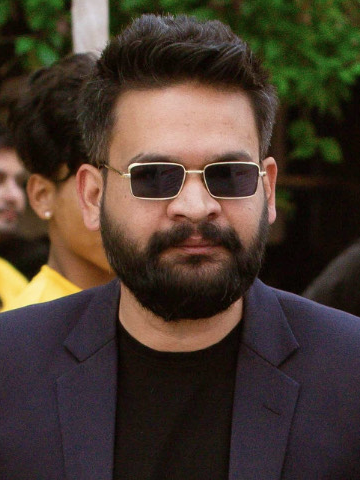
Balendra Shah, a former rapper, is set to become Nepal's next prime minister following his party's significant victory in the general election concluded on Thursday. Shah, 35, secured a decisive win in his parliamentary constituency, defeating former Prime Minister Sharma KP Oli. This outcome, confirmed by Nepal's Election Commission on Saturday, reflects a notable shift in the nation's political landscape.
Shah's Rastriya Swatantra Party (RSP) campaigned on a platform focused on economic revitalization and social welfare. Key proposals included a commitment to generate 1.2 million new jobs and elevate the country's per capita income from $1,447 to $3,000 within five years. The party also pledged to double Nepal's Gross Domestic Product (GDP) to $100 billion and implement universal healthcare insurance.
The election results indicate a strong desire for change among the Nepalese electorate, particularly among younger voters. This sentiment follows decades of governance by established coalition parties. The youth demographic, including 800,000 first-time voters, played a pivotal role in challenging the traditional political establishment.
Shah, widely known by his stage name Balen, initially gained public recognition through his music career. His political ascent was further propelled by his involvement in the September 2025 youth-led protests. These demonstrations, initially sparked by a social media ban imposed by then-Prime Minister Oli, evolved into broader critiques of the existing political system.
The recent election, the first since the 2025 protests, saw a contest between veteran political figures and new entrants appealing to a younger demographic. The RSP's success underscores a growing demand for fresh leadership and policies addressing issues such as unemployment and low wages.
Implications
Country Impact: Nepal faces a potential shift in governance, with a new generation of leadership promising economic reforms and social programs. This could lead to new policy directions focusing on youth employment and income growth.
Industry Impact: Industries related to job creation, infrastructure development, and healthcare may see increased investment and policy support under the new administration. The focus on GDP growth could stimulate various sectors.
Market Impact: The political transition could introduce short-term market uncertainty but also potential long-term opportunities if the promised economic reforms are implemented successfully. Investor confidence may hinge on the stability and effectiveness of the new government.