UAE Plans OPEC Exit by 2026
UAE will leave OPEC and OPEC+ in 2026, citing quota limits as it seeks up to 30% higher output amid Iran conflict-driven energy shock.
Atlas Newsdesk ·
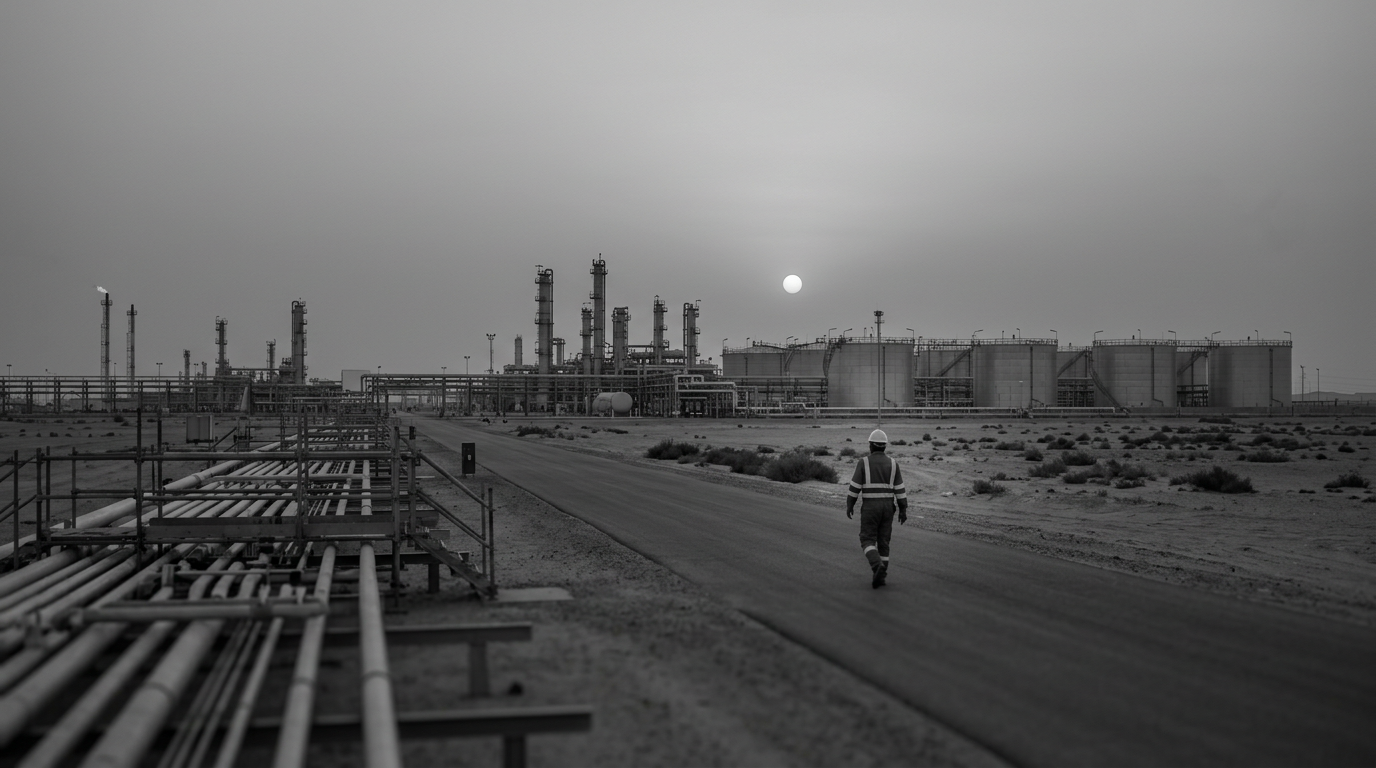
The United Arab Emirates said Tuesday, April 28, that it will withdraw from the Organization of the Petroleum Exporting Countries (OPEC) and the OPEC+ producer groups, with the exit taking effect in 2026.
The announcement comes during what was described as an ongoing energy shock linked to the Iran conflict. Officials and analysts cited disruptions around the Strait of Hormuz as a factor contributing to supply shortages and elevated prices at the time of the decision.
UAE cites production ambitions constrained by quotas
Analysts said the UAE’s decision is tied to its stated ambition to raise oil production by up to 30%, an objective they said is limited by OPEC’s quota system.
By leaving the quota framework, the UAE would have more flexibility to expand output and pursue global market share, according to the same assessments.
Potential price and volatility effects flagged by analysts
Analysts described the move as potentially negative for oil prices in the short term, arguing that additional supply could weigh on prices if it reaches the market.
They also said the shift could be positive for consumers and the global economy, based on the expectation that higher supply would ease price pressures.
OPEC’s stabilizing capacity seen weakening without UAE
Analysts said the UAE’s departure would reduce the market influence of OPEC and OPEC+, and could increase oil market volatility.
They pointed to spare capacity as a central tool used by the groups to manage supply imbalances. The UAE, alongside Saudi Arabia, was described as holding substantial spare capacity that supports the groups’ ability to stabilize the market.
Questions raised about Saudi Arabia’s role and policy alignment
Without the UAE, analysts said OPEC’s ability to respond to supply-demand mismatches would be diminished, potentially leaving the market more exposed to swings.
The development also raises questions about Saudi Arabia’s position as the primary stabilizer, and it was cited as evidence of a growing divergence in policy between the UAE and Saudi Arabia.
Timing described as strategic amid high prices and shortages
Analysts characterized the timing as strategic, saying high oil prices and shortages tied to Strait of Hormuz disruptions could soften immediate negative effects from the announcement.
Even so, they said the planned exit in 2026 marks a significant change for the producer groups, with implications for how supply discipline and market management may function without the UAE inside the framework.