UAE Quits OPEC, Shaking Up Global Oil Markets
The UAE's exit from OPEC is set to increase global oil supply, potentially lowering prices and weakening the cartel's market influence.
Atlas Newsdesk ·
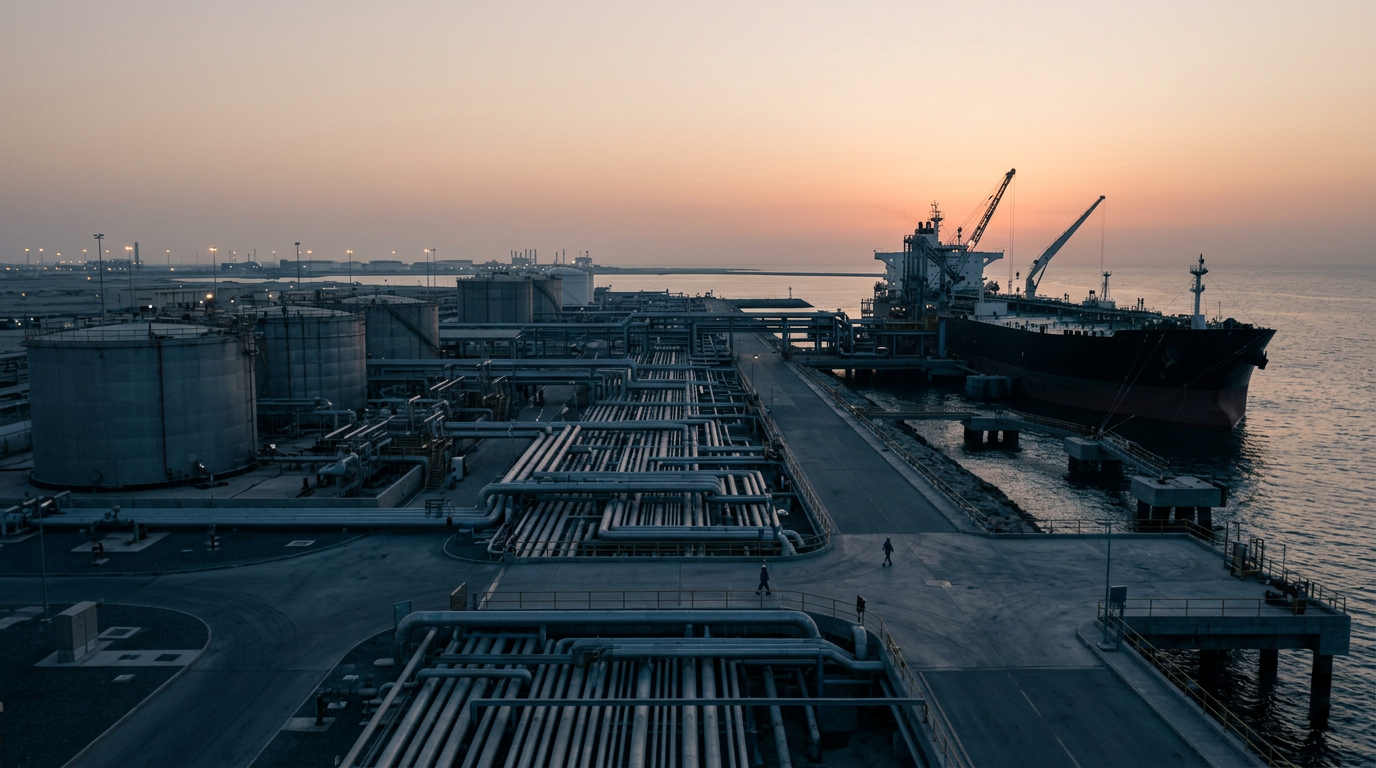
The United Arab Emirates officially withdrew from the Organization of the Petroleum Exporting Countries (OPEC) on Friday, May 1, 2026, a move anticipated to increase global oil supplies and potentially lower prices. This decision, which had been rumored, was unexpected in its timing and follows the UAE's public complaints regarding OPEC production quotas that limited its ability to bring increased output to market.
The exit is expected to be welcomed by the United States government, as it could weaken OPEC's influence on global oil pricing.
Experts indicate that the UAE's departure could lead to an additional 2 million barrels per day entering the market once the Strait of Hormuz, currently blocked due to the U.S.-Israel conflict with Iran, normalizes. This increased supply is projected to alleviate pricing pressures.
The U.S. government views a weakened OPEC as beneficial, as it could reduce the cartel's ability to set prices.
Brent crude futures, a global oil benchmark, recently reached $126.41 a barrel before settling lower, while U.S. gasoline prices averaged $4.33 per gallon, nearly double pre-conflict levels.
The UAE's move also signals a potential shift towards greater competition in energy markets and aligns with its efforts to strengthen economic and political ties with the U.S., including a recent request for a currency swap line. While the long-term survival of OPEC is not immediately threatened, its effectiveness and pricing power are expected to diminish. The development also raises questions about the future dynamics within the Gulf Cooperation Council.