Trump's Iran Policy Faces Midterm Election Scrutiny
Former President Trump's Iran policy faces intense scrutiny following a March 2026 incident, impacting Republican prospects for the 2026 midterms.
Lauren Collins ·
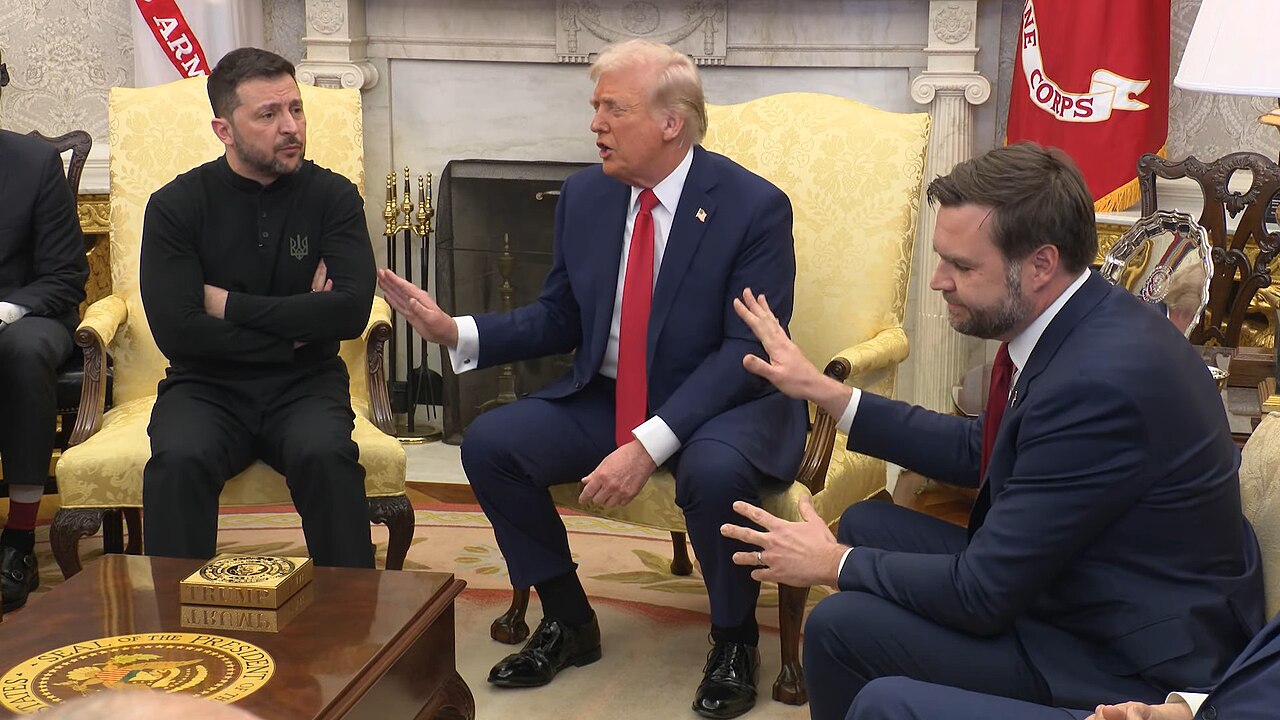
Former U.S. President Donald Trump is encountering increased political pressure concerning his administration's Iran strategy, particularly in the context of an alleged U.S. incident originating from the United Arab Emirates on March 14, 2026. This event, occurring three weeks into a broader conflict with Iran, has drawn significant attention to the coherence of his foreign policy approach.
Democrats are actively using perceived inconsistencies in the former President's Iran policy to critique his leadership. These criticisms are emerging as a key theme in the lead-up to the 2026 midterm elections, impacting both Trump and the Republican party's political standing. The opposition highlights potential implications for U.S. national security and international stability.
Escalating Tensions and Economic Impact
The alleged incident in March 2026 has intensified an ongoing conflict with Iran, which began approximately three weeks prior. This escalation has contributed to a rise in global oil prices, adding an economic dimension to the political debate. Voters concerned about economic stability may be influenced by these rising costs.
Political Ramifications for 2026 Midterms
The political fallout from the Iran situation is creating challenges for the Republican party as it prepares for the 2026 midterm elections. The Democratic party's focus on foreign policy inconsistencies aims to sway public opinion and potentially impact electoral outcomes. The narrative centers on the effectiveness and consequences of the previous administration's diplomatic and military engagements in the Middle East.
Broader Geopolitical Context
The U.S. has historically maintained a complex relationship with Iran, marked by periods of sanctions, diplomatic efforts, and military posturing. The alleged incident in the UAE and the subsequent political reactions underscore the delicate balance required in regional foreign policy. The broader implications extend to alliances in the Middle East and global energy markets.
Policy Scrutiny and Public Opinion
Public discourse is increasingly scrutinizing the former administration's approach to Iran, including its withdrawal from the Joint Comprehensive Plan of Action (JCPOA) and subsequent "maximum pressure" campaign. Critics argue that these actions may have inadvertently contributed to regional instability, while supporters maintain they were necessary to counter Iranian influence. The current political climate suggests that these debates will continue to shape voter perceptions.
Outlook for U.S. Foreign Policy
The ongoing scrutiny of past foreign policy decisions, particularly concerning Iran, will likely influence future U.S. diplomatic and security strategies. The 2026 midterm elections will serve as a significant barometer for public sentiment regarding these complex international issues and their domestic political consequences. The interplay between foreign policy, economic stability, and electoral success remains a central theme.
Implications
Country Impact: The U.S. political landscape is experiencing heightened polarization, with foreign policy becoming a central campaign issue for the 2026 midterm elections. Domestic economic concerns, particularly rising oil prices, are directly linked to international tensions.
Industry Impact: The energy sector, specifically oil markets, is directly impacted by escalating geopolitical tensions, leading to price volatility. Defense and security industries may see increased activity due to regional instability.
Market Impact: Global financial markets could react to increased geopolitical risk, potentially affecting investor confidence and commodity prices. The uncertainty surrounding U.S. foreign policy may introduce volatility in equity and bond markets.