US Strikes Iran's Kharg Island Military Sites
US military forces conducted strikes on Iranian military sites on Kharg Island on March 13, sparing oil infrastructure.
Lauren Collins ·
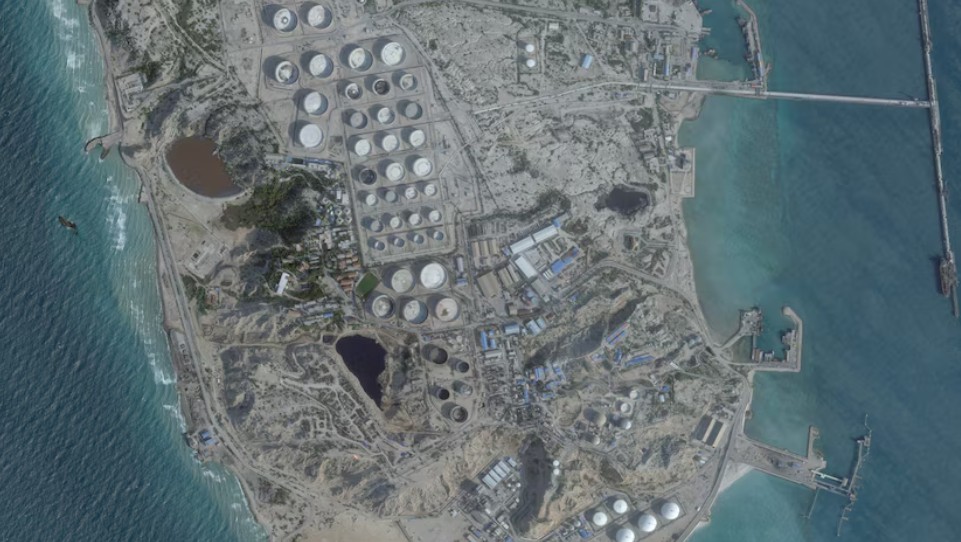
The United States military executed an aerial bombardment targeting military facilities on Iran's Kharg Island on March 13. Former President Donald Trump confirmed the operation, specifying that the strikes deliberately avoided the island's critical oil infrastructure. Kharg Island is strategically vital for Iran, serving as the primary hub for approximately 80-90% of the nation's crude oil exports.
Strategic Targeting and Warnings
This military action was presented as a response to persistent tensions in the region, particularly concerning maritime security in the Strait of Hormuz. Trump indicated that while oil export facilities were spared in this instance, future operations could target them if Iran continues to interfere with international shipping lanes. The Strait of Hormuz is a crucial chokepoint for global oil transit, making any disruption a significant concern for international markets.
Context of Regional Tensions
The strike occurs amidst a backdrop of escalating friction between the United States and Iran. Historical grievances and geopolitical competition have frequently manifested in naval incidents and threats to shipping in the Persian Gulf. The U.S. has consistently expressed concerns over Iran's regional activities and its nuclear program, leading to a series of sanctions and military posturing.
Global Energy Market Implications
Kharg Island's role as a major oil export terminal means any military action in its vicinity carries substantial implications for global energy markets. While the recent strike reportedly avoided oil infrastructure, the threat of future targeting introduces a new layer of risk premium for crude oil prices. Stability in the Persian Gulf is paramount for maintaining predictable global energy supplies.
International Reactions and Future Outlook
International reactions to such military engagements are typically varied, with some nations urging de-escalation and others supporting measures to ensure maritime freedom. The incident underscores the volatile nature of the Middle East and the potential for rapid escalation. Observers will closely monitor subsequent statements from both Washington and Tehran, as well as any changes in shipping patterns or oil market behavior.
The long-term implications depend heavily on whether this action leads to further retaliatory measures or a de-escalation of tensions in the critical waterway.
Implications
Country Impact: The strike could intensify geopolitical tensions between the United States and Iran, potentially leading to further retaliatory actions or increased military presence in the Persian Gulf. This escalation could destabilize regional security dynamics.
Industry Impact: The energy sector faces heightened uncertainty due to potential disruptions in the Strait of Hormuz, a critical oil transit route. While oil infrastructure was spared, the threat of future targeting could prompt oil companies to reassess supply chain risks and insurance premiums.
Market Impact: Global oil markets may experience increased volatility and a potential rise in crude oil prices due to the elevated geopolitical risk premium. Investors will closely monitor developments for any signs of escalation or de-escalation that could impact energy supply and demand.