Somali Hijackings Spur Concern Over Shipping Safety
Recent vessel hijackings off Somalia's coast have elevated concerns for tanker routes and global oil supply security, prompting increased maritime warnings.
Mateo Fernandez ·
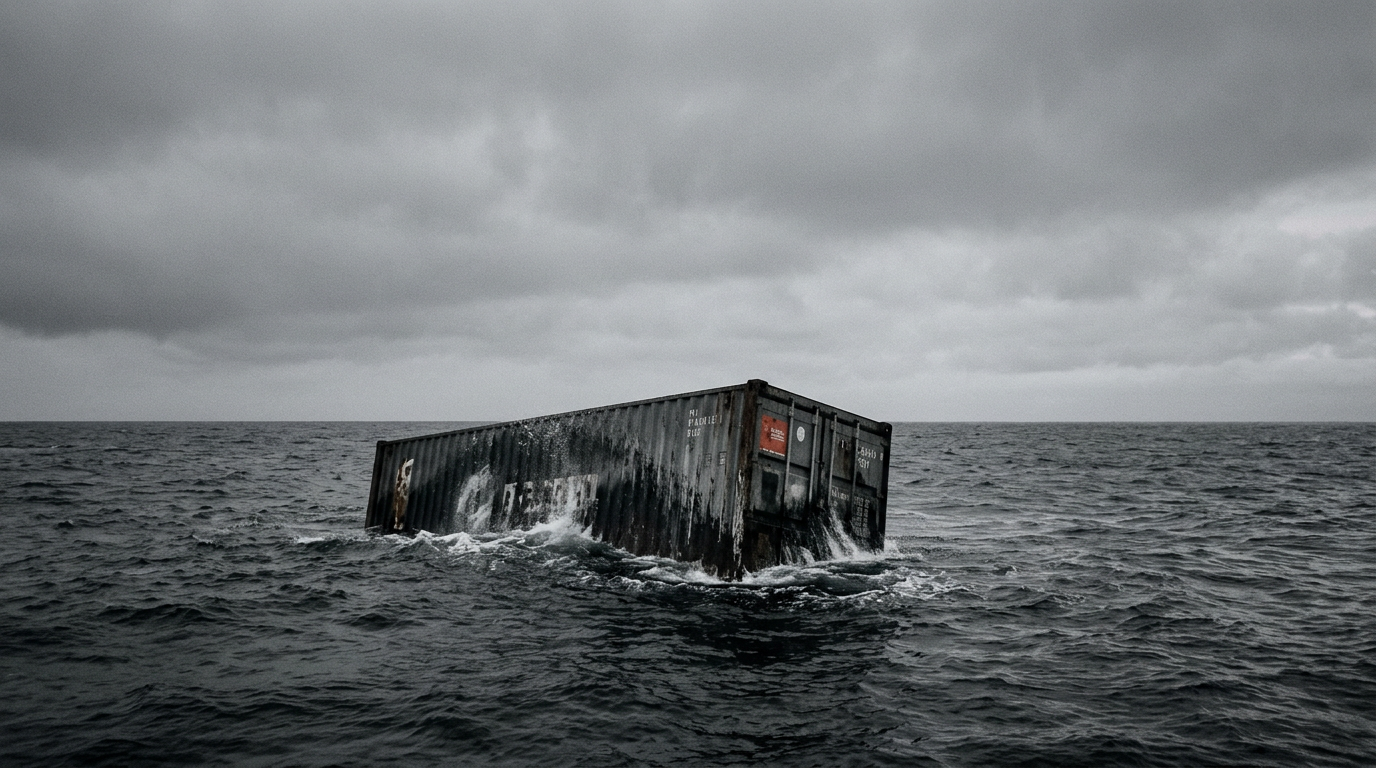
Two commercial vessel hijackings occurring within four days off the coast of Somalia have sparked alarm among maritime authorities, raising questions about the security of critical shipping lanes. These incidents have prompted officials to issue heightened warnings for ships navigating the Gulf of Aden and surrounding waters, particularly impacting tanker routes for crude and refined products.
Officials indicated that regional geopolitical tensions, including those associated with the Iran conflict, have contributed to a more volatile risk environment. This atmosphere could potentially foster a resurgence of Somali piracy, which has largely been dormant for several years, following a sustained international effort to suppress it.
Heightened Shipping Risks Emerge
The immediate consequence of these recent events is an increase in perceived risk for commodity transportation through the region. When maritime risks escalate, freight rates for oil tankers typically see an upward adjustment. This can, in turn, translate into higher delivered prices for crude oil and reduced refining margins, affecting the global energy market.
In response to these evolving threats, shipowners and charterers are expected to implement various mitigation strategies. These may include procuring more expensive war-risk insurance, deploying private security teams aboard vessels, or opting for longer, alternative routes, such as circumnavigating the Cape of Good Hope. While specific contractual details were not disclosed, these measures invariably lead to increased operational costs, including higher fuel consumption and extended voyage durations.
Market Monitoring and Future Outlook
Market observers will closely monitor a range of indicators, including insurer notices, shipping advisories, and vessel-tracking reports. This heightened scrutiny is expected to continue until at least August 27, 2026. Should these types of attacks persist beyond this period, there is a risk that insurers and charterers could further broaden premium costs and permanently reroute tankers, leading to a sustained increase in the overall cost of crude oil shipments.
The recent incidents recall a period from roughly 2005 to 2012 when Somali piracy posed a significant threat to international shipping, leading to the deployment of multinational naval forces. The international community's coordinated response, including naval patrols and improved on-board security measures, had largely suppressed these activities. The current uptick raises concerns that underlying factors contributing to piracy, such as instability and economic hardship in Somalia, may be re-emerging or being exploited by regional actors amidst broader geopolitical shifts.
Global Energy Flow Implications
The Gulf of Aden is a crucial chokepoint for global maritime trade, particularly for oil and gas shipments traversing the Suez Canal. Any sustained disruption or increased risk in this area has direct implications for energy prices and supply chain stability worldwide. Nations heavily reliant on oil imports via these routes, as well as major oil producers, would face heightened economic pressures and logistical challenges.
The international shipping community and naval forces will be closely assessing the nature and intent behind these recent hijackings to determine if they represent isolated criminal acts or a more organized return to the large-scale piracy operations of the past. The response will likely involve a reassessment of existing security protocols and potentially increased naval presence in the affected areas to safeguard vital trade routes.
International Coordination and Response
Effective management of this renewed threat will require robust international cooperation. Past successes in combating Somali piracy were largely due to the coordinated efforts of naval forces from various countries, information sharing, and capacity-building initiatives with local authorities. A similar, potentially enhanced, collaborative approach will be essential to prevent these incidents from escalating into a prolonged and widespread maritime security crisis.