Nigeria electric motorcycles gain as petrol hits 1,365 naira
Nigeria electric motorcycles are rising as petrol reached 1,365 naira per litre, with riders citing cost savings but grid limits and policy gaps.
Atlas Newsdesk ·
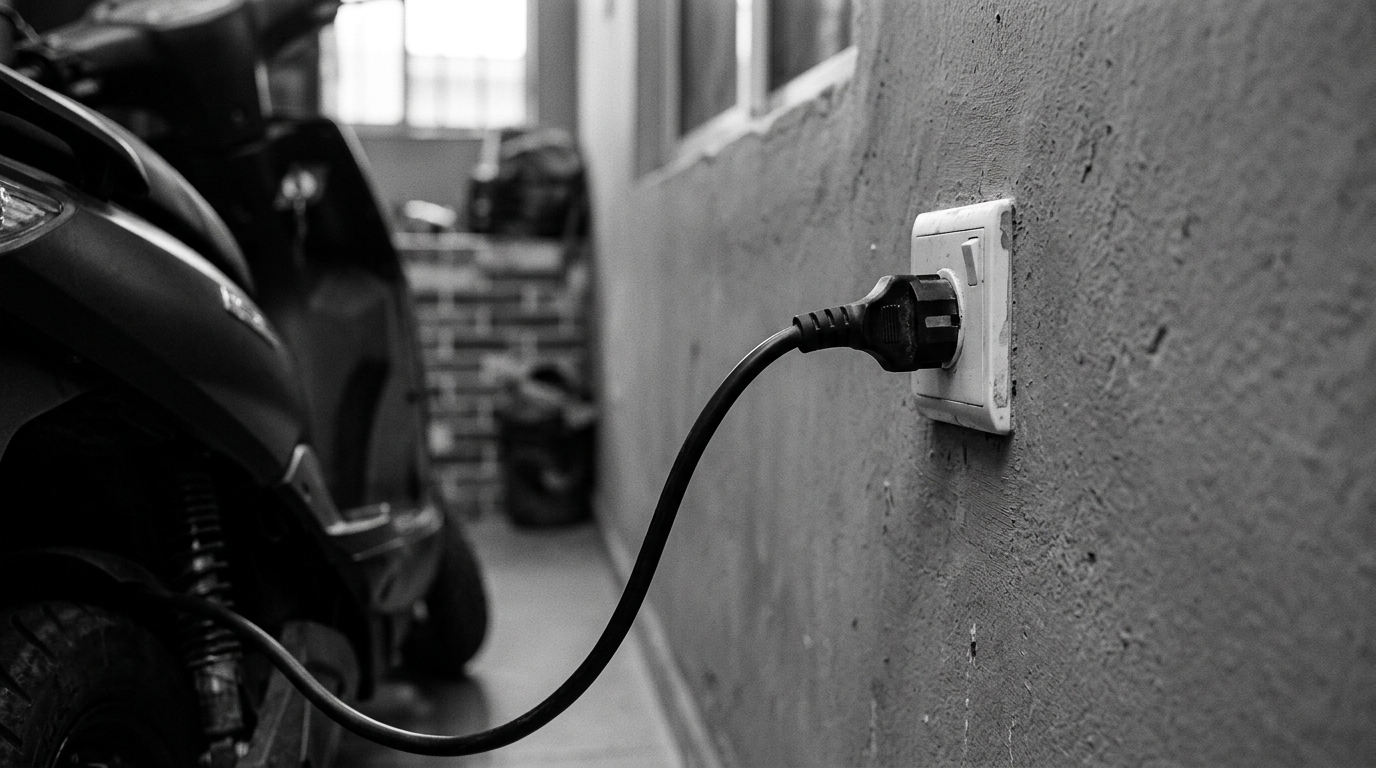
Commercial motorcycle operators in Nigeria are increasingly adopting electric bikes to keep daily operating costs under control after petrol prices surged, riders and industry participants said. The shift is most visible in urban centres such as Gombe, where operators described the move as a practical way to maintain routes when fuel bills rise and margins are tight.
Industry participants linked the acceleration in interest to a policy change in May 2023, when Nigeria removed long-standing fuel subsidies. Officials said the decision was followed by a sharp jump in pump prices, reshaping the daily economics for riders who typically buy fuel every day.
Subsidy removal reshapes day-to-day cost calculations
Officials said petrol was about 200 naira per Officials said petrol was about 200 naira per litre before the May 2023 subsidy removal. After the change, officials said pump prices climbed to 1,365 naira per litre, a rise that fed directly into transport operating costs for commercial riders. Observers in the sector said the decision-making is straightforward for operators: when petrol becomes a larger share of expenses, alternatives that reduce reliance on fuel become more attractive. Battery-powered motorcycles can shift some daily spending away from petrol and toward charging, they said, although the outcome depends on local access and pricing. Riders cite savings on fuel and maintenance Operators using electric motorcycles said the perceived benefits extend beyond fuel. Some riders said electric bikes can require less routine maintenance than combustion-engine motorcycles, reducing the frequency of workshop visits and the need for parts replacement.
Several operators put combined weekly savings at roughly 5,000 naira when fuel and maintenance are considered together, based on their day-to-day experience. Riders and participants also stressed that savings are not uniform, and can vary with route patterns and how reliably charging can be arranged.
Grid reliability and generator charging create constraints
Users and experts said Nigeria’s inconsistent national electricity grid remains a central obstacle to broader adoption. They said unstable supply can make charging unpredictable, disrupt commercial schedules, and increase downtime for riders who rely on quick turnaround times.
Industry experts warned that charging electric motorcycles using petrol-powered generators can weaken the environmental argument for switching, because generator-based charging may reduce emissions advantages. Even so, they added that riders may still see positive financial outcomes in some locations, depending on charging availability and costs.
Battery-swap proposals and trade-policy calls
Stakeholders are promoting solar-powered battery-swap systems as a way to reduce dependence on the grid. Under the model described by participants, riders would exchange depleted batteries for charged units, aiming to cut downtime and improve route reliability.
Sector participants are also urging trade-policy steps such as reduced import duties on electric components. Supporters said lower duties could reduce upfront costs and help build supply chains for batteries, motors, and related parts.
Industry sources said electric motorcycles still make up a small share of Nigeria’s transport fleet. Stakeholders said the pace of expansion beyond a niche in cities such as Gombe remains uncertain, with charging access, infrastructure rollout, and whether supportive policies are implemented among the key variables.