US Treasury puts Iran links and China warnings in focus
US Treasury officials are preparing an Iran enforcement announcement Monday while separately assessing bond buybacks that could exceed $4 billion.
Atlas Newsdesk ·
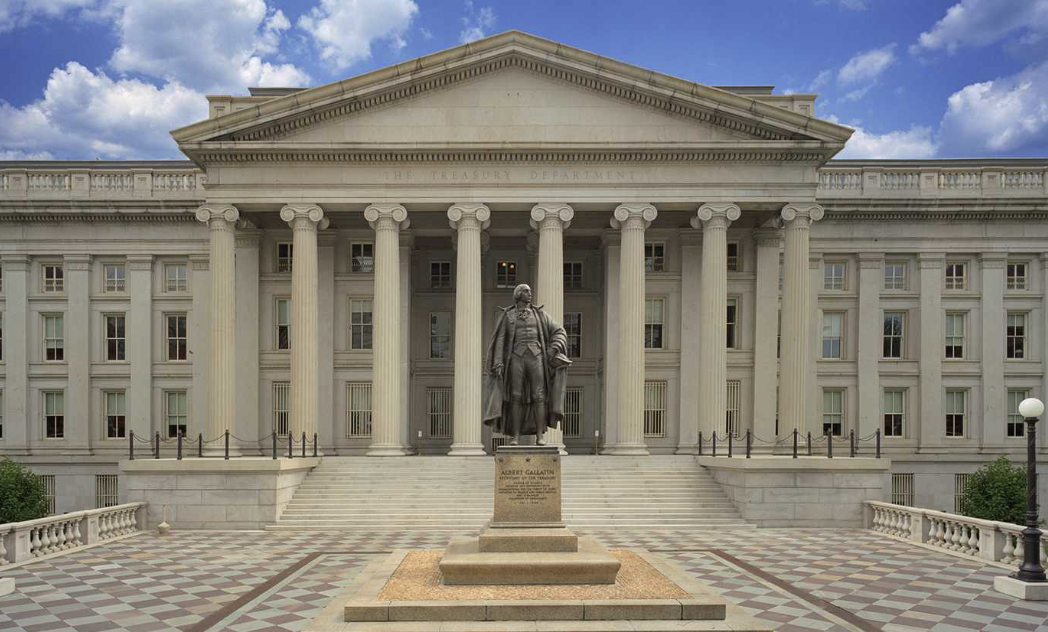
US Treasury will outline Monday a new Iran pressure plan, while weighing more than $4 billion in bond buybacks to manage debt operations.
Treasury Secretary Scott Bessent said in a televised interview that the administration would explain “exactly what we’re going to do” to increase economic pressure on Iran. He framed the coming action around enforcement against parties that move money, purchase Iranian oil or participate in maritime transfers tied to Iranian trade.
Monday plan targets Iran channels
Bessent’s warning was directed at intermediaries rather than Iran alone. “If you insist on doing business with them — either transferring money, buying their oil, or doing seaborne ship transfers — then the US Treasury … will put its full might and force toward enforcing against you,” he said.
The statement points to three channels Treasury can police: financial flows, energy purchases and shipping activity. Bessent did not name specific companies, banks, vessels or individuals, and he did not describe the legal tools that will be included in Monday’s announcement.
The timing matters because sanctions enforcement often works through access to the dollar system, insurance markets and shipping documentation. Firms that are not based in the United States can still face US pressure if transactions touch dollar clearing, US counterparties or assets under American jurisdiction.
China receives a public warning
Bessent suggested the effort could reach China, saying “it would do them a big service to get with the program.” He did not specify whether he was referring to Chinese state entities, private buyers, banks, shipowners or a broader policy position by Beijing.
That distinction will shape the practical effect of the announcement. A warning aimed at specific commercial actors would operate differently from a broader diplomatic message to China, which remains central to many debates over Iran’s ability to sell oil despite US restrictions.
For companies involved in cross-border trade, the immediate question is not only whether new penalties are announced. It is whether Treasury identifies conduct that compliance departments can screen, such as payment routing, vessel ownership, cargo documentation or ship-to-ship transfers.
Buybacks meet fiscal pledge
Bessent also pointed to a separate fiscal announcement with White House budget chief Russ Vought over the next several days. He described it as an increased focus on fiscal consolidation, without giving details on spending, revenue or deficit targets.
The Treasury secretary repeated that coming government bond buybacks could exceed $4 billion. He said officials would assess market conditions before deciding the final scale, making the amount conditional rather than a fixed commitment.
Treasury buybacks allow the government to repurchase outstanding securities, typically as part of debt-management operations. The source material did not include the maturities, timing or market segments under consideration, all of which would matter for investors assessing the program’s effect.
Oil, debt and compliance paths
If Monday’s Iran announcement focuses on tighter enforcement guidance, the global macro effect would likely run through compliance costs rather than an immediate supply shock. For companies with Iran-linked exposure, the mechanism would be access to payments, insurance and shipping services; for the wider energy and maritime sectors, the effect would be more intensive screening.
If Treasury names targets or escalates penalties, the macro channel would be oil-market risk and tighter dollar access for parties that continue the trade. The company-level impact would depend on whether a business is directly identified, while the sector impact would be concentrated in banks, shipowners, insurers and commodity merchants.
If the fiscal-consolidation message is paired with larger buybacks, investors will judge whether the two policies reinforce or complicate each other. The open questions are the scope of Monday’s Iran measures, whether China-linked entities are named, and how Treasury sizes any buyback above the $4 billion level Bessent cited.