Turkey's S-400 Status Unclear Amid Diplomatic Silence
Uncertainty grows over Turkey's Russian S-400 air defense system amid official silence, fueling speculation on NATO relations and potential measures.
Lauren Collins ·
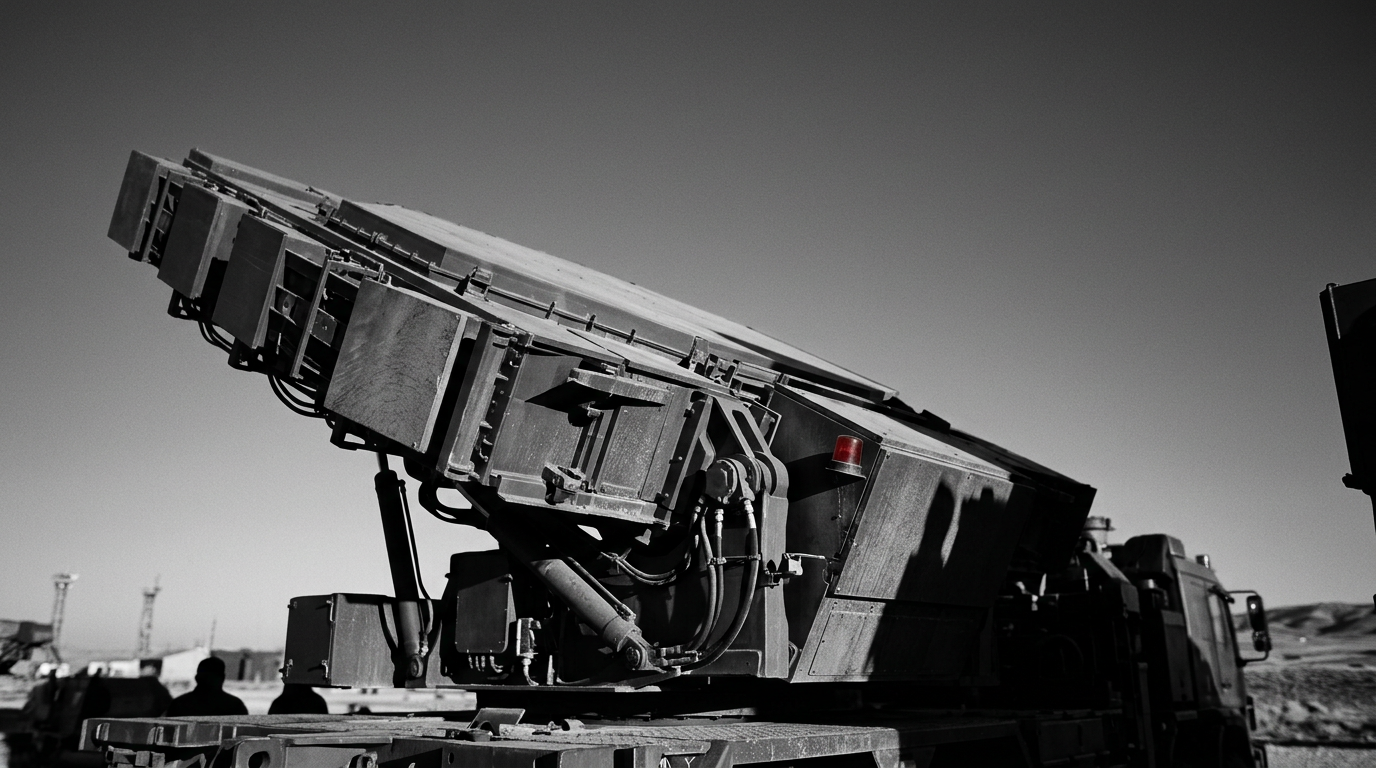
Diplomatic ambiguity has intensified regarding the operational status of Turkey's Russian-manufactured S-400 air defense system. As of September 3, 2026, Turkish authorities have reportedly not responded to continuous inquiries about the system, prompting increased speculation concerning Ankara's relationship with its NATO allies. This absence of public disclosure leaves a considerable information gap regarding the advanced missile defense equipment.
The acquisition of the S-400 systems previously created significant friction within Turkey's alliances, particularly with the United States. This dispute led to Turkey's removal from the F-35 fighter jet program. In December 2020, sanctions were imposed on Ankara under the Countering America's Adversaries Through Sanctions Act (CAATSA) directly due to the procurement of these systems.
Persistent Diplomatic Friction
The ongoing official silence surrounding the S-400's status risks perpetuating diplomatic friction and could leave various policy issues and potential sanction considerations unresolved. The trajectory of diplomatic relations largely depends on Turkey's forthcoming actions and its willingness to provide clarity on the matter. Should Turkey choose to offer technical transparency or new assurances concerning the S-400's deployment and operational parameters, diplomatic tensions might ease.
Conversely, a continued lack of clear communication could increase pressure on allied nations to explore additional targeted measures against Ankara. Allies' primary concern has consistently centered on the S-400 system's potential integration, or lack thereof, with existing NATO defense infrastructure. This apprehension stems from fears of possible intelligence compromises that could affect the alliance's collective security capabilities.
Key Considerations for Ankara
Several specific actions by Turkey could influence international responses. These include whether Ankara grants access for inspections of the S-400 system, modifies its current deployment strategy, or provides formal written guarantees regarding the system's intended use. Any such move by Turkey would significantly alter the political considerations among its international partners.
The initial components of the S-400 system began delivery to Turkey in July 2019. This occurred despite repeated warnings from the U.S. and other NATO members about the implications of such an acquisition. Turkey maintained its decision, citing an urgent requirement for a comprehensive air defense system and an inability to secure suitable alternatives from Western allies. This procurement decision marked a notable divergence in defense policy from many NATO member states. The current lack of official statements regarding the system's status suggests a complex and evolving situation behind the scenes. The international community, especially Turkey's NATO allies, will closely monitor any developments or shifts in Ankara's position regarding the S-400, as these will have significant implications for regional security and alliance cohesion.