Trump's Iran Strategy Unclear Amid Conflicting Statements
U.S. President Trump's conflicting statements on the Iran conflict create global uncertainty, raising questions about objectives and timelines.
Lauren Collins ·
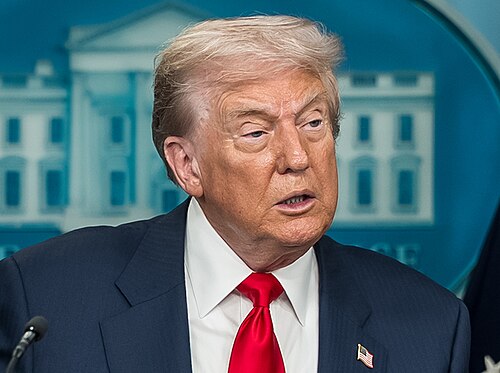
U.S. President Donald Trump's public pronouncements regarding military actions against Iran have generated uncertainty among international partners and adversaries. This lack of clarity, nearly two weeks after the conflict's initiation on February 28, has prompted questions about the administration's strategic objectives and the potential duration of hostilities.
French President Emmanuel Macron highlighted this ambiguity following a G7 video conference held on Wednesday, noting the absence of a clear U.S. timeline or defined goals. This international concern underscores broader anxieties about the conflict's trajectory and its ultimate resolution.
Conflicting Presidential Remarks
Later, during a public rally, President Trump declared a victory while simultaneously emphasizing the necessity to "finish the job." These varied remarks have contributed to the perception of an inconsistent U.S. strategy, making it difficult for allies and adversaries to anticipate future actions.
Administration's Stated Objectives
While the U.S. has reportedly achieved some military aims, such as neutralizing Iran's navy and diminishing its missile infrastructure, other critical objectives are still outstanding. Notably, Iran's estimated 450 kilograms of highly enriched uranium remain unsecured. Furthermore, a fortified underground facility near Natanz, believed to be up to 100 meters deep, has not been targeted.
Divergent Allied Goals
This divergence in goals complicates a unified international approach to the Iranian situation. The ongoing military actions and the lack of a clear, consistent message from the U.S. leadership continue to fuel international speculation regarding the conflict's scope and potential outcomes.
Implications
Country Impact: The lack of a clear U.S. strategy could strain relations with key allies like France and Israel, potentially hindering coordinated international responses to the Iranian situation. Regional stability may also be impacted by prolonged uncertainty.
Industry Impact: Uncertainty surrounding the conflict's duration and scope could introduce volatility into global energy markets, particularly oil prices, due to concerns over supply disruptions in the Middle East. Defense industries may see increased demand.
Market Impact: Global financial markets may react to the perceived instability, leading to increased risk aversion. This could manifest as shifts in currency valuations, bond yields, and equity market performance, particularly in sectors sensitive to geopolitical tensions.