US Public Opinion of Key Allies Declines
US public opinion of Canada and Great Britain has declined to historic lows, influenced by presidential rhetoric, according to a recent Gallup poll.
Lauren Collins ·
American public sentiment towards Canada and Great Britain has seen a notable decline over the past year, reaching historical lows. A Gallup poll conducted between February 2 and 16, 2026, revealed that favorable views of Canada dropped to 80%, while Great Britain's favorability fell to 76%. These figures represent the lowest recorded levels since Gallup initiated tracking these perceptions in 1987 for Canada and 1989 for Great Britain.
This shift in public opinion appears to be significantly influenced by Republican voters. The poll indicated a 23-point decrease in positive views of Canada among Republicans and a 20-point drop for Great Britain within the same demographic. In contrast, Democratic favorability for Canada saw a slight increase of 3 points, while their views on Great Britain decreased by 4 points.
Presidential Rhetoric and Diplomatic Tensions
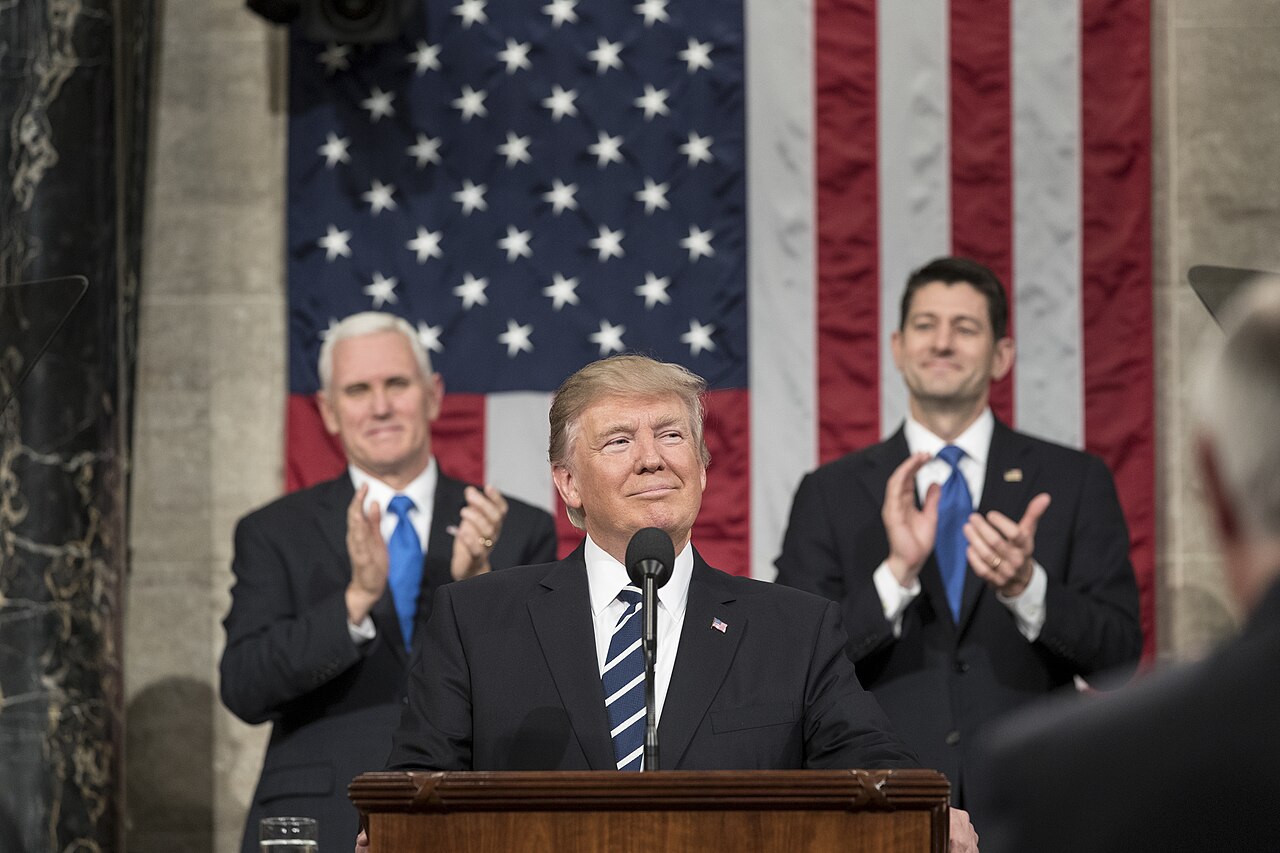
The decline in allied sentiment coincides with increased public criticism from President Donald Trump directed at the leadership of both nations. President Trump's disputes with Canadian Prime Minister Mark Carney, including threats of tariffs and references to Canada as the "51st state," have been widely reported. Similarly, his public criticism of British Prime Minister Keir Starmer concerning the conflict in Iran is cited as a contributing factor to the altered perceptions.
Historical Context of US-Ally Relations
The United States has historically maintained strong diplomatic and economic ties with both Canada and Great Britain, often considered its closest allies. These relationships are underpinned by shared cultural values, extensive trade agreements, and cooperation on global security matters. Previous administrations have consistently emphasized the importance of these alliances, making the current decline in public favorability a notable deviation from long-standing trends.
Unexpected Shift in China Perception
Interestingly, the same poll indicated an increase in American favorability towards China, reaching 34%. This marks more than double the figure from three years prior, despite recent trade disputes. This rise follows new trade agreements announced in October 2025, suggesting a potential correlation between economic policy and public perception, even with nations traditionally viewed as strategic competitors.
Methodology and Margin of Error
The Gallup survey involved telephone interviews with 1,001 adult Americans. The poll carries a margin of error of plus-or-minus 4 percentage points, providing a statistical context for the reported shifts in public opinion. The findings highlight the potential impact of presidential rhetoric and international policy on public sentiment towards key global partners.
Implications
Country Impact: The decline in US public favorability towards Canada and Great Britain could strain diplomatic relations and public support for joint initiatives. This shift may influence future policy decisions and international cooperation.
Industry Impact: While not directly impacting specific industries, a weakening of public support for key allies could indirectly affect trade negotiations and cross-border investments. Industries reliant on stable international partnerships might face increased uncertainty.
Market Impact: The altered public perception, particularly among a significant political demographic, could signal potential shifts in trade policy or diplomatic priorities. This might introduce an element of geopolitical risk for markets, though direct financial impacts are not immediately evident.