LVMH Chief: Iran Conflict Threatens Global Catastrophe
LVMH CEO warns Iran conflict could trigger “world catastrophe” as Q1 organic growth slows to 1% and shares fall 35% after February tariffs.
Atlas Newsdesk ·
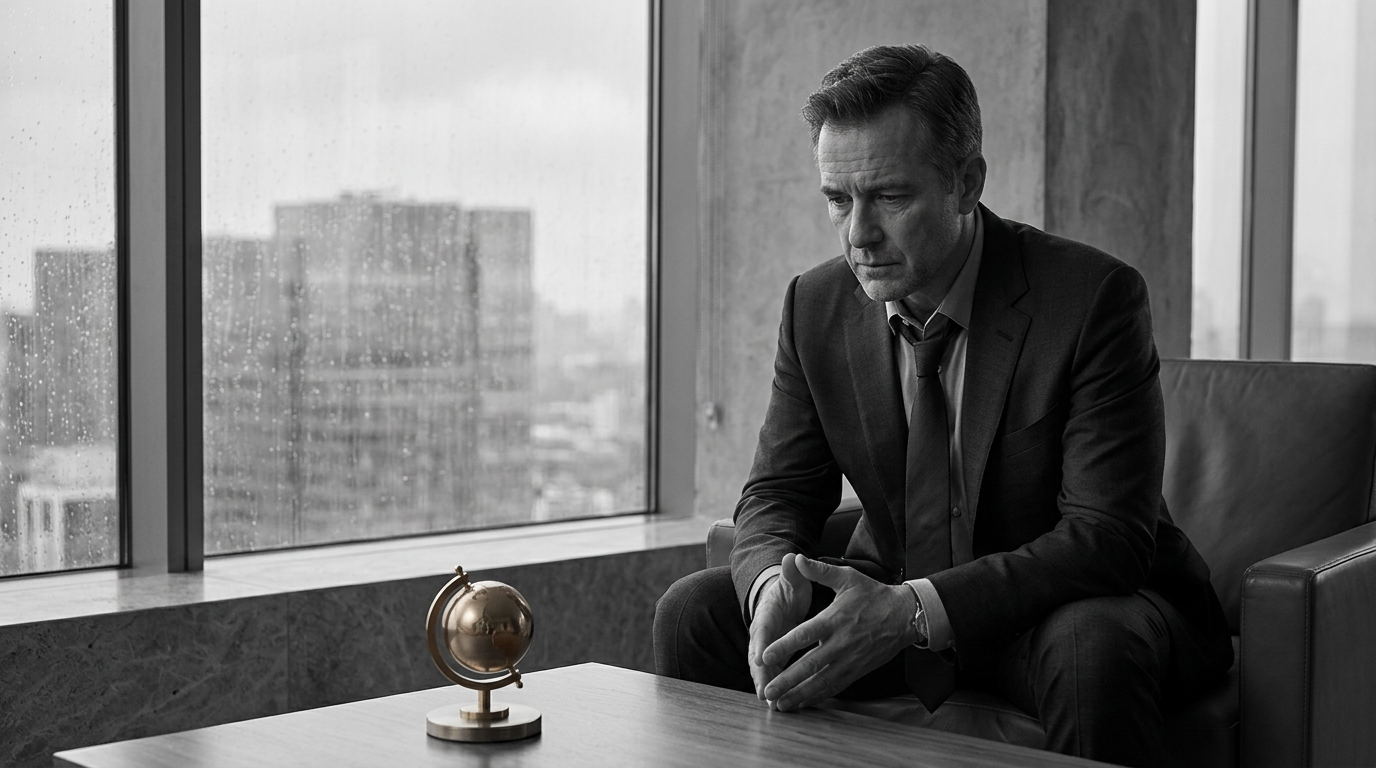
Paris, April 23, 2026 — Bernard Arnault, chief executive of LVMH and the fifth-richest person globally, told shareholders in Paris that the ongoing conflict in Iran is pushing the world economy toward what he described as a “world catastrophe.” He linked the warning to mounting pressure on business conditions and said the outlook for 2026 is uncertain if the conflict drags on.
Arnault’s comments came as LVMH reported that its first-quarter organic sales growth was cut in half to 1%. He said a prolonged conflict could translate into sharply negative economic consequences, while a faster resolution could allow business conditions to recover.
Market moves have also reflected the heightened uncertainty. LVMH shares, which started the year above 700 euros per share, have fallen 35% since tariff announcements in February, according to the information provided. The combination of geopolitical disruption and trade-related headlines has coincided with a weaker operating backdrop for the luxury sector.
The conflict has also been tied to the closure of the Strait of Hormuz, a major energy transit route. About one-fifth of global oil flow passes through the strait, and the International Energy Agency has described the chokepoint as the “biggest energy security threat in history.” The disruption underscores how events in the Gulf can quickly spill into global energy markets and, by extension, consumer-facing industries that are sensitive to confidence and spending.
Gemma D’Auria, a Senior Partner at McKinsey, said the luxury industry is facing a “double whammy” as consumer sentiment, store traffic, and spending weaken at the same time. Her remarks point to a broad-based demand challenge rather than a single-market slowdown, with pressure showing up in both shopper behavior and overall purchasing appetite.
While the Middle East typically represents mid-single digits of total sales for most luxury companies, D’Auria noted that the region’s higher profitability can make the financial hit larger than the headline revenue share suggests. That dynamic can matter for earnings resilience, investment plans, and how companies manage costs and inventory when demand becomes less predictable.