Strait of Hormuz closure lifts US recession risk to 40%
Strait of Hormuz closure pushed U.S. recession odds to 40% on April 23, 2026, as markets fell and Brent rose above $103.
Atlas Newsdesk ·
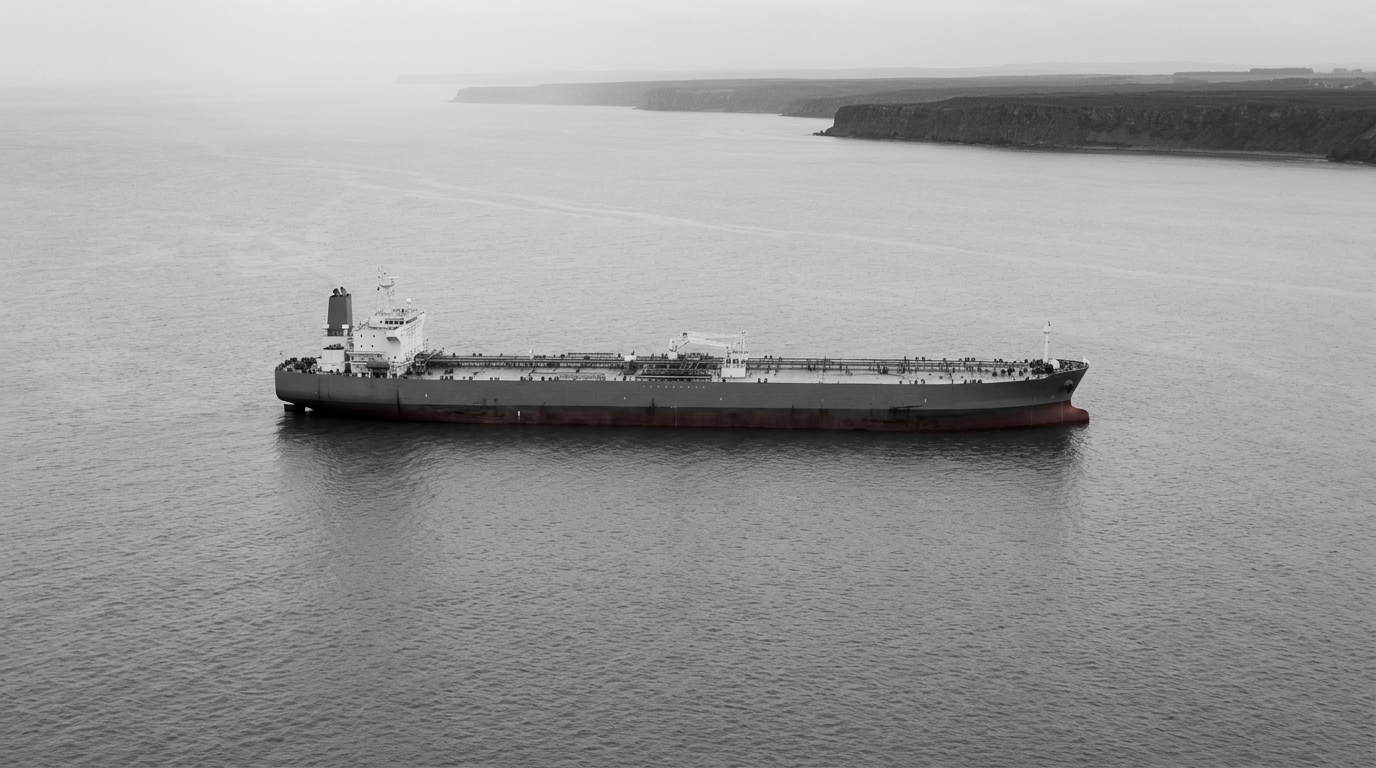
U.S. recession risk has risen as the Strait of Hormuz remains shut following recent Iranian naval actions, according to EY-Parthenon chief economist Gregory Daco. In an assessment dated April 23, 2026, Daco put the probability of a U.S. recession at 40% within the next 12 months, linking the higher risk to a prolonged interruption in Middle Eastern energy production capacity alongside broader economic concerns.
President Donald Trump said an indefinite ceasefire with Iran had been confirmed, while the White House said it was waiting for an Iranian response before moving to additional peace talks. Despite that diplomatic signal, the Strait of Hormuz remained closed after Iran struck three ships and seized two, according to the account in the source material. The same account said the U.S. reportedly forced 31 vessels back into the Gulf.
Operational constraints around reopening the waterway were also highlighted. Experts cited in the source material estimated it could take six months to clear Iranian mines from the strait, and said that process can only begin after the cessation of conflict. Until then, the closure continues to constrain shipping through a route that is central to energy transport from the Middle East, keeping attention focused on supply disruptions and knock-on effects for prices and economic activity.
Markets moved quickly as investors weighed the geopolitical situation and the updated economic risk assessment. S&P 500 futures fell 0.5% after touching a record high of 7,137.9. In Europe, the Stoxx 600 slipped 0.39% and the FTSE 100 dropped 0.83%, according to the figures provided.
Asian markets showed a mixed response. South Korea’s KOSPI gained 0.9% to a new high, while Japan’s Nikkei 225 declined 0.75%. India’s Nifty 50 fell 0.8%, and China’s CSI 300 eased 0.28%, the source material said.
Energy prices also reflected the disruption. Brent crude rose above $103 per barrel, up from $85 on April 17, according to the data cited. The combination of higher oil prices and uncertainty over the duration of the closure is central to the recession-risk framing presented by Daco, with the timeline for mine-clearing described as dependent on an end to conflict.