Trump Prioritizes Iran Nuclear Disarmament Over Oil Profits
Former U.S. President Donald Trump prioritized preventing Iran from acquiring nuclear weapons over U.S. oil profit gains on March 12, 2026.
Lauren Collins ·
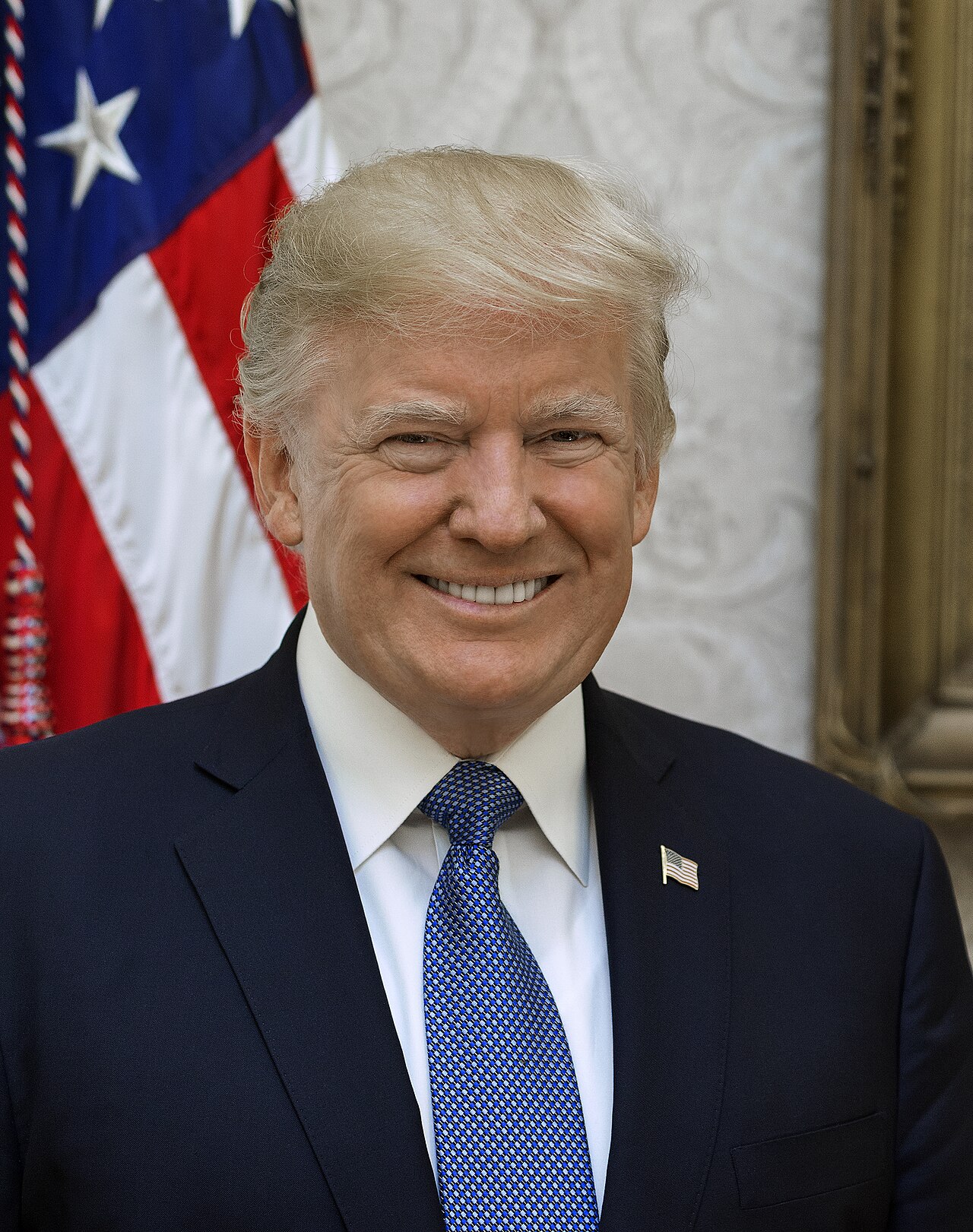
Former U.S. President Donald Trump articulated on Thursday, March 12, 2026, that his foremost foreign policy objective is to prevent Iran from developing nuclear weapons. This declaration, made in Washington, D.C., emphasizes national security concerns above any economic benefits the United States might gain from elevated global oil prices.
Trump's statement highlights a strategic decision to prioritize non-proliferation efforts in the Middle East. This stance suggests that the potential for increased profits from the energy sector is secondary to mitigating what his administration perceives as a significant threat from Iran's nuclear ambitions. The remarks underscore a consistent focus on regional stability and international security.
Strategic Priorities and Geopolitical Context
The former President's comments align with a long-standing U.S. foreign policy objective concerning nuclear non-proliferation. This approach indicates a potential for continued diplomatic pressure or other interventions aimed at curbing Iran's nuclear program. The interplay between global energy economics and geopolitical strategy is central to this declared position.
Historically, U.S. administrations have viewed Iran's nuclear activities with concern, leading to various international sanctions and diplomatic initiatives. Trump's emphasis on this issue signals a potential continuation of a firm stance, irrespective of fluctuating oil market dynamics. The focus on disarmament suggests a strategic framework that could influence future international engagements and sanctions regimes.
Economic Considerations Versus Security Imperatives
The declaration explicitly separates national security imperatives from immediate economic advantages. While higher oil prices could theoretically boost U.S. energy sector profits, Trump's statement indicates that this economic upside is not a primary driver of his foreign policy regarding Iran. This prioritization reflects a belief that the long-term security implications of a nuclear-armed Iran outweigh short-term economic gains.
This perspective could shape future policy decisions, potentially leading to renewed pressure on Iran through international forums or bilateral actions. The emphasis on preventing nuclear proliferation remains a cornerstone of U.S. foreign policy, particularly in volatile regions like the Middle East. The statement serves as a clear indicator of a potential future administration's strategic direction.
Implications for International Relations
The former President's remarks carry significant implications for international relations, particularly for allies and adversaries in the Middle East. Countries in the region, such as Israel and Saudi Arabia, have consistently expressed concerns about Iran's nuclear program. A renewed U.S. focus on disarmament could reassure these allies while potentially escalating tensions with Tehran.
Furthermore, this prioritization could influence global energy markets indirectly, as geopolitical stability in the Middle East often impacts oil supply and prices. The explicit linkage of national security to Iran's nuclear program, distinct from oil profits, provides a clear framework for understanding potential future U.S. actions in the region.
Implications
Country Impact: The U.S. declaration signals a potential shift in foreign policy priorities, emphasizing national security over economic gains from oil. This could lead to renewed diplomatic or coercive measures against Iran, impacting regional stability.
Industry Impact: The global energy sector might experience indirect effects from heightened geopolitical tensions in the Middle East, potentially influencing oil supply and pricing dynamics. However, the stated policy prioritizes security over direct economic benefits from high oil prices.
Market Impact: Financial markets could react to increased geopolitical uncertainty surrounding Iran, potentially affecting oil futures, defense stocks, and currencies tied to Middle Eastern stability. The long-term impact hinges on the specific actions taken to address Iran's nuclear program.