Iran Employs Asymmetric Warfare Tactics
Iran employs asymmetric warfare, drone attacks, and economic disruption to counter U.S. & Israeli military superiority after recent strikes.
Lauren Collins ·
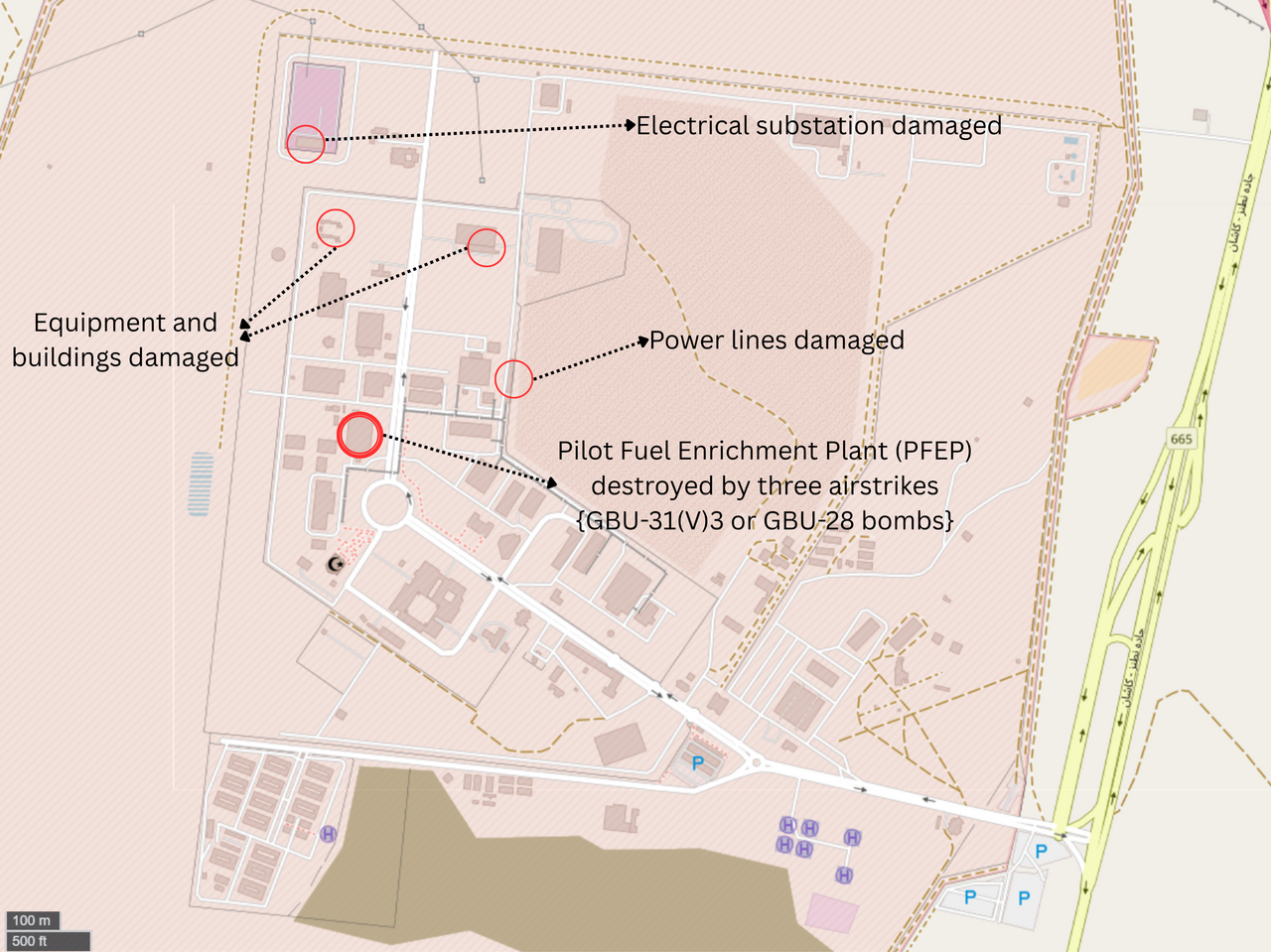
Iran has continued retaliatory strikes against Israel and U.S. military assets in the region following U.S.-Israeli attacks on Tehran on February 28, which killed Supreme Leader Ayatollah Ali Khamenei. Tehran is employing asymmetric warfare tactics to counter the conventional military superiority of the United States and Israel, according to analysts. This strategy, central to Iran's defense posture since the 1979 revolution, involves methods such as guerrilla tactics, cyberattacks, and the use of proxies.
These tactics include deploying large inventories of ballistic and cruise missiles, mass-produced drones, and cyber operations from dispersed, hardened facilities. Iran's approach aims to deplete enemy interceptor stockpiles, with its Shahed drones costing $20,000-$35,000 each, significantly less than the millions spent per interceptor missile by the U.S. and Israel. This cost disparity has reportedly led to the U.S. spending $2 billion daily on the conflict.
Furthermore, Iran has engaged in economic warfare by disrupting global oil and gas supplies through the Strait of Hormuz, causing Brent crude oil prices to surpass $100 a barrel. Iran has also targeted civilian infrastructure and threatened financial institutions with links to U.S. and Israeli entities, leading to bank closures in the Gulf region. This strategy is viewed as a "survival and leverage" mechanism, creating a costly "shadow war" rather than seeking decisive regional hegemony.