Trump Establishes National Fraud Task Force
President Trump will establish a national fraud task force on March 16, 2026, led by VP JD Vance, to enhance federal oversight.
Lauren Collins ·
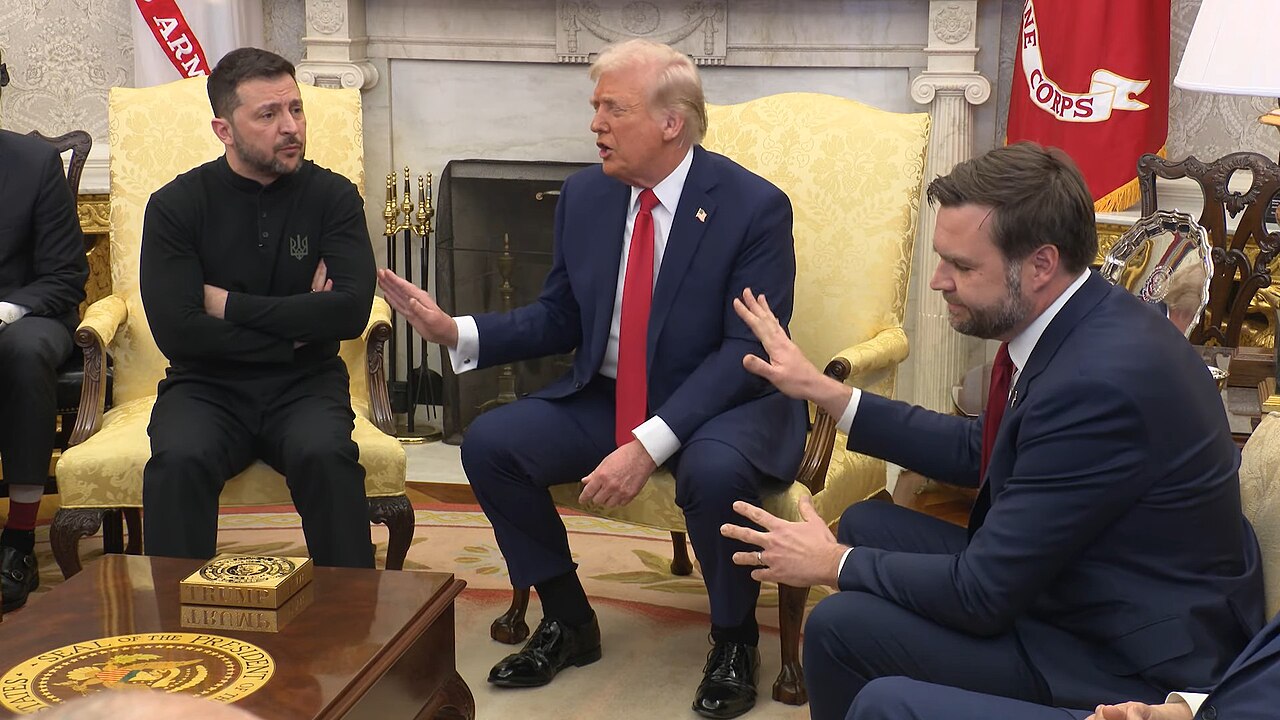
President Donald Trump is set to formally establish a national task force dedicated to investigating fraud across the United States. The initiative, announced by White House spokeswoman Karoline Leavitt, aims to enhance federal oversight of fraud detection and enforcement. The President will sign an executive order on Monday, March 16, 2026, at the White House to officially launch the new body.
Vice President JD Vance will lead this newly formed task force. The administration's move follows previous efforts by Vance to investigate fraud, notably in Minnesota. During that period, Vance publicly criticized Governor Tim Walz and subsequently froze over $250 million in Medicaid funding allocated to the state, an action Walz described as a "campaign of retribution."
The task force's mandate will encompass all states, with particular attention to those identified as having "insufficient" fraud oversight. A document cited by The New York Post, though not independently verified by Reuters, specifically named California, Illinois, New York, Maine, and Colorado among these states. This broad scope indicates a significant federal push to centralize and intensify fraud investigations.
The establishment of this task force underscores the Trump administration's continued emphasis on combating perceived inadequacies in fraud prevention and prosecution at the state level. m. Eastern Time (1930 GMT), marking a formal step in this policy direction. The initiative reflects a broader strategy to exert federal influence over areas traditionally managed by state authorities, particularly concerning the allocation and oversight of federal funds.
Historically, federal involvement in state-level fraud has often been reactive, focusing on specific cases or programs. This new task force suggests a more proactive and systematic approach, potentially leading to increased scrutiny of state expenditures and compliance. The move could also set a precedent for future federal interventions in state administrative affairs, particularly in areas where federal funding is substantial.
Observers will be watching closely to see how states respond to this federal initiative, especially those explicitly mentioned in reports regarding insufficient oversight. The task force's operational framework and its specific powers will be critical in determining its effectiveness and potential impact on federal-state relations. The administration's focus on fraud aligns with broader political narratives emphasizing accountability and efficient use of taxpayer money.
Implications
Country Impact: The establishment of a national fraud task force could lead to increased federal oversight and intervention in state-level financial management, potentially altering federal-state power dynamics. States identified with 'insufficient' oversight may face heightened scrutiny and potential funding adjustments.
Industry Impact: Industries heavily reliant on federal or state contracts, grants, and subsidies could experience more rigorous auditing and compliance requirements. This may increase operational costs for businesses and organizations receiving public funds.
Market Impact: While direct market impact is not immediately clear, increased federal scrutiny on fraud could lead to greater transparency in public spending, potentially influencing investor confidence in sectors tied to government contracts. Any significant freezing of state funds could also have localized economic effects.