Trump warns Oman over Iran deal linked to Hormuz
Trump warned Oman of action over interference in a US-Iran deal tied to the Strait of Hormuz, officials said; reactions were unclear.
Mateo Fernandez ·
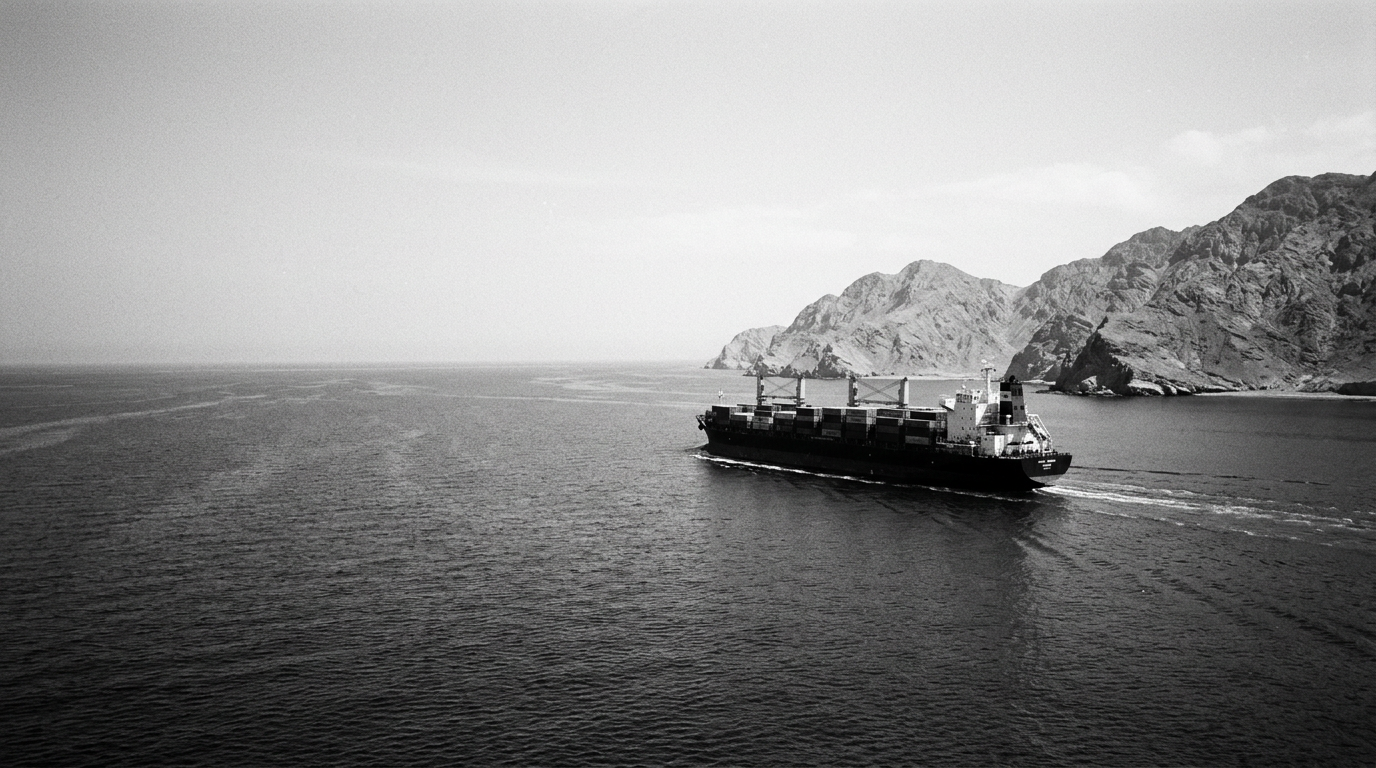
President Trump warned Oman that the United States could take action if Muscat interferes with a US deal involving Iran and the Strait of Hormuz, officials said. The comments put a key Gulf intermediary into a dispute connected to one of the world’s most sensitive maritime corridors.
Officials tied the warning to efforts aimed at ending a conflict they described as nearly six months old. They said it was not yet clear how the parties involved would respond at the time of the statements.
Oman’s mediator role comes under direct pressure
Officials said Oman has often served as a Officials said Oman has often served as a diplomatic conduit in Gulf disputes, including contacts involving Iran. In that context, they described the episode as a test of whether this backchannel can still function when the pressure is public and explicit. Officials warned that a direct US threat against Muscat, if repeated through official channels, could make mediation harder. They said it could raise the political cost for Omani officials and leave less room for quiet diplomacy that typically depends on discretion. Why the Strait of Hormuz raises the stakes Officials said the Strait of Hormuz is a narrow passage in the Gulf used by oil and gas cargoes moving from major producers. Because of that role, they said any diplomatic breakdown centered on the strait can quickly become an energy-security event.
President Trump
At the same time, officials framed the main near-term risk to global markets as shipping exposure rather than an immediate loss of physical supply. In their description, the early concern is not that volumes disappear suddenly, but that the perceived probability of disruption rises.
Shipping costs and insurance pricing in focus
Officials said the first impacts could show up in how insurers, shipowners, and energy buyers price risk around Hormuz. They said higher perceived danger could translate into increased insurance premiums, higher freight charges, and a larger risk premium on cargo movements even without an actual interruption.
Officials pointed to crude oil and liquefied natural gas routes as areas where costs could rise if risk assumptions change. They described insurance, freight, and related pricing as the mechanism most likely to move first if concerns intensify.
Short timeline for clarification through August 19, 2026 Officials said the immediate uncertainty for energy and shipping stakeholders is whether the comment becomes policy, is later softened, or prompts regional governments to harden security postures. They added that the warning could increase pressure on Iran-facing talks while also drawing a US partner more directly into the dispute.
They said the next direction depends on what is said next by officials in Oman, Iran, and the United States. Officials described the coming 24 hours, through August 19, 2026, as an early test of whether the threat is clarified and whether Gulf shipping advisories change.