Trump warns Oman as Hormuz shipping memo expires
Trump warns Oman after a 60-day US-Iran maritime memo expired, officials said, lifting uncertainty over Strait of Hormuz transit rules.
Mateo Fernandez ·
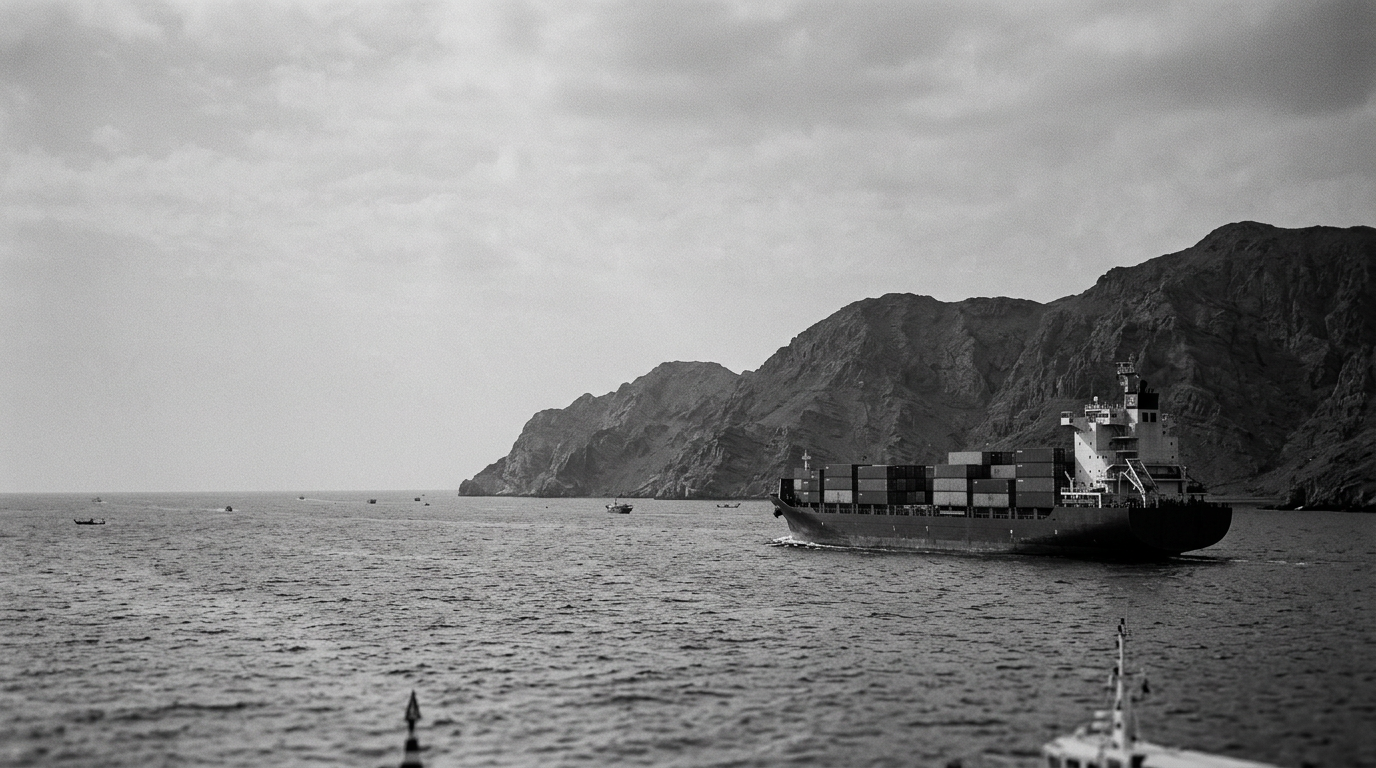
Officials said President Trump issued a warning to Oman that included a threat of military action after a 60-day maritime memorandum between the United States and Iran expired. They said the lapse has intensified pressure around shipping governance in the Strait of Hormuz, a key corridor for maritime traffic in the Gulf.
According to officials, the warning was tied to negotiations between Oman and Iran over a proposed maritime transit route. Officials said Washington is seeking to shape how passage through the Strait of Hormuz is managed, turning a technical transit discussion into a politically and strategically sensitive issue.
Hormuz transit talks draw Oman into a US-Iran Hormuz transit talks draw Oman into a US-Iran dispute President Trump Officials described the Strait of Hormuz as a narrow chokepoint that is central to energy flows and regional military planning. In that context, they said the United States is pursuing greater influence over how shipping moves through the waterway, and that any transit understanding can carry significant strategic weight. Officials said the dispute is unusual because Oman has frequently served as a diplomatic channel between Washington and Tehran. They indicated that Muscat’s intermediary role, familiar in sensitive contacts, is being tested by the current friction over transit arrangements. The immediate point of contention, officials said, is whether Oman’s discussions with Iran interfere with US efforts to shape rules for passage through the Strait of Hormuz. Officials added that the Oman-Iran route talks have become intertwined with Washington’s objectives for the waterway, sharpening the confrontation among the parties.
Expired 60-day memorandum raises uncertainty and competing claims
Officials said the US-Iran maritime memorandum lasted 60 Officials said the US-Iran maritime memorandum lasted 60 days and ended without producing a lasting peace agreement. With the arrangement no longer in effect, they said negotiations over maritime transit are now exposed to competing claims involving Washington, Muscat, and Tehran. Officials warned that the heightened dispute over transit rules carries a risk of escalation beyond administrative or diplomatic disagreements. They said a conflict focused on shipping arrangements could widen into a broader military standoff, even though they did not provide specific operational details. Officials said the stated threat of military action adds uncertainty for discussions about what rules may govern passage. They also emphasized that, in their account, the direction of the dispute remains uncertain and will depend on signals and actions taken by all three parties. Markets watching risk signals rather than confirmed disruption For global macro conditions, officials said the immediate channel is geopolitical risk rather than any confirmed supply interruption. They said that if shipping continues normally, energy markets may hold back for clearer signals before repricing conditions. Officials added that if the warning is followed Officials added that if the warning is followed by naval deployments or route restrictions, traders would likely focus on Gulf cargo timing and insurance costs. In that scenario, they said shifting perceptions of passage risk could affect market behavior even before any physical disruption is confirmed.
Officials pointed to August 25, 2026 as the next dated test, citing whether Washington, Muscat, and Tehran signal renewed talks or military de-escalation by that point.