Trump threatens Iran with power plant strikes over Hormuz blockade
President Trump threatened Iranian power plants if the Strait of Hormuz is not reopened within 48 hours, following recent missile strikes.
Lauren Collins ·
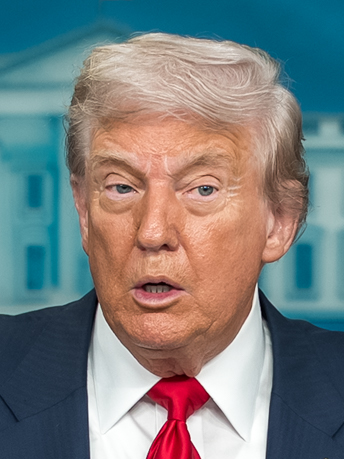
U.S. President Donald Trump issued a direct threat to Iran on Saturday, stating that Iranian power infrastructure would be targeted if the Strait of Hormuz was not fully reopened within 48 hours. This ultimatum follows a series of Iranian missile strikes that have heightened regional tensions and impacted international shipping lanes.
The presidential statement marks a significant escalation in the ongoing conflict, now in its fourth week. The Strait of Hormuz, a vital maritime chokepoint, is crucial for the transit of approximately one-fifth of the world's oil and liquefied natural gas (LNG) supplies.
Escalating Regional Tensions
Recent Iranian military actions included the launch of long-range ballistic missiles. These projectiles, with an estimated range of 4,000 kilometers (2,500 miles), reportedly struck the U.S.-British military base on Diego Garcia in the Indian Ocean.
Concurrently, Iranian missiles also targeted southern Israeli cities. Dimona and Arad were hit, resulting in injuries to numerous individuals, including children. Israeli military chief Eyal Zamir commented on the extended range of these missiles, noting their potential to reach European capitals, indicating a broader geographical threat.
Economic Repercussions of Blockade
The partial closure of the Strait of Hormuz has already had tangible economic consequences. Reduced maritime traffic through the strait has contributed to a notable increase in European gas prices.
Last week, European gas prices surged by as much as 35%, reflecting concerns over supply disruptions. The strait's importance to global energy markets underscores the economic sensitivity of any prolonged disruption.
Shift in U.S. Stance
President Trump's recent threat represents a departure from earlier indications of potential de-escalation. The administration's stance appears to have hardened in response to the continued Iranian military activities and the impact on international shipping.
The current situation underscores the volatile nature of geopolitical dynamics in the Middle East. The potential for military action against Iranian infrastructure introduces a new dimension to the conflict, with significant implications for global energy security and regional stability.
International Response and Outlook
International observers are closely monitoring the situation, particularly the 48-hour deadline set by President Trump. The response from Iran and the international community to this ultimatum will be critical in determining the conflict's trajectory.
Further escalation could lead to broader economic disruptions and increased instability across the Middle East. The focus remains on diplomatic efforts to de-escalate tensions and ensure the unimpeded flow of global energy supplies through the Strait of Hormuz.
Implications
Country Impact: The U.S. threat against Iranian power plants could significantly escalate military conflict in the Middle East, potentially drawing in other regional actors. Israel faces continued missile threats, while European nations confront energy supply concerns.
Industry Impact: The global energy sector, particularly oil and gas, faces severe disruption risks due to potential military action and continued blockade of the Strait of Hormuz. Shipping and insurance industries would also experience heightened costs and operational challenges.
Market Impact: Global financial markets are likely to react with increased volatility, especially in energy commodity prices. Equity markets could see downturns due to geopolitical uncertainty, while safe-haven assets like gold and government bonds might appreciate.