'Peace is a gradual thing': How land, cattle and identity fuel a deadly Nigerian conflict
The US has deployed 200 troops to Nigeria and launched missile strikes to assist in combating ethnic and religious violence, particularly in Plateau state.
Lauren Collins ·
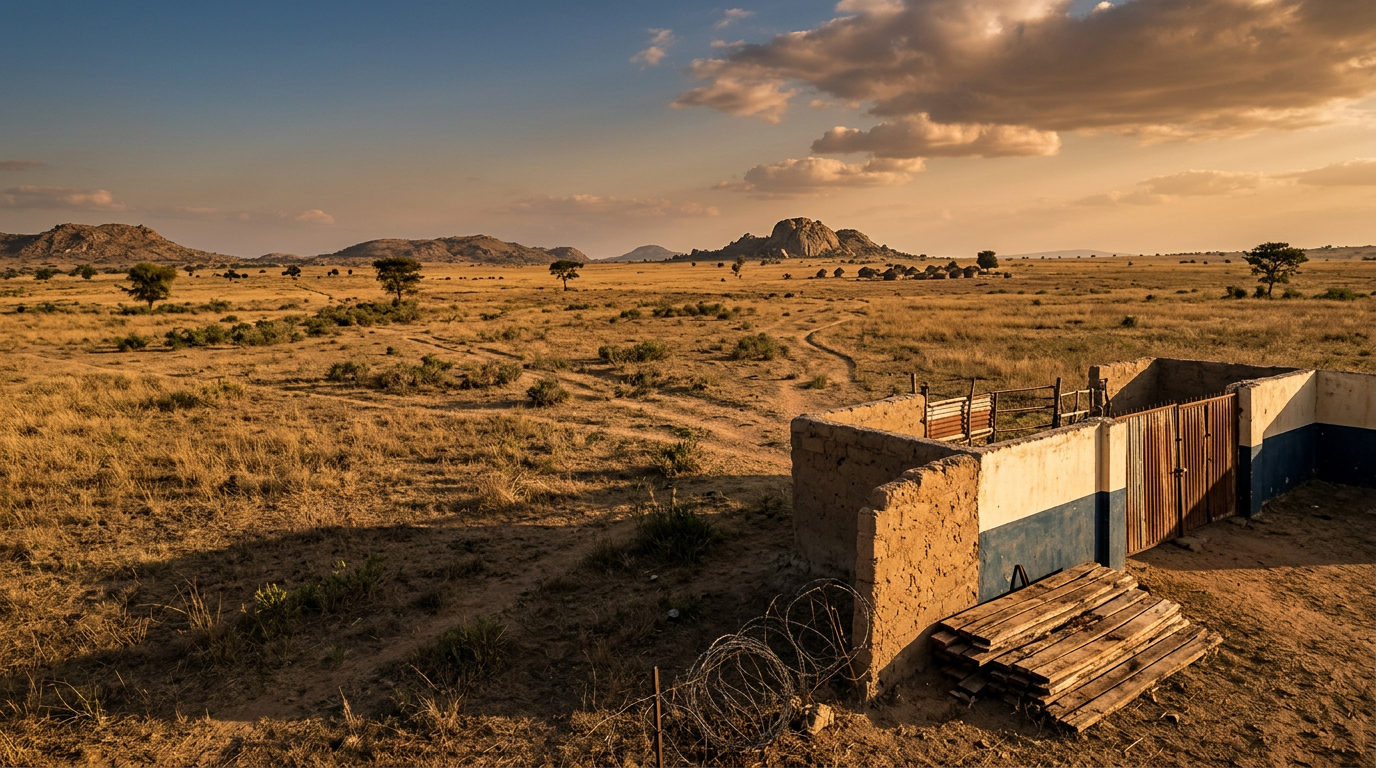
The United States has initiated military operations in Nigeria, deploying approximately 200 personnel and conducting missile strikes. This intervention, which commenced with missile attacks on suspected militant positions in the northwest on Christmas Day, aims to support the Nigerian military in its efforts against Islamist groups and other armed factions. The deployment specifically targets the persistent ethnic and religious conflicts, particularly in Nigeria's central Plateau state.
For over two decades, the central Nigerian region, especially Plateau state, has experienced significant violence, resulting in thousands of fatalities. Recent incidents have disproportionately affected Christian communities. An attack in April 2025 on the Christian Irigwe village of Zike, for example, resulted in 52 deaths, with local residents attributing the assault to ethnic Fulani herders.
Drivers of Conflict in Plateau State
The Nigerian government disputes claims of a targeted genocide against Christians, asserting that all religious groups are impacted by widespread rural conflicts. However, some U.S. political figures have cited violence against Christians as a rationale for the American intervention. The core issues fueling the unrest include intense competition over land resources, complex ethnic and religious identity politics, and insufficient security presence across affected areas.
Local governance structures often favor “indigenes,” typically Christian ethnic groups, granting them preferential access to employment and land. This practice marginalizes “settlers,” a category that frequently includes Muslim Fulani communities. This historical dynamic has contributed to a cycle of retaliatory violence.
Historical Context and Escalation
Past events, such as the 2001 Jos riots that claimed over 1,000 lives, underscore the deep-seated nature of these communal tensions. Despite various local initiatives aimed at fostering peace, the underlying grievances continue to fuel instability. The U.S. military presence is intended to enhance the capacity of Nigerian forces to address these multifaceted security challenges.
International Response and Objectives
The U.S. intervention seeks to provide training and assistance to the Nigerian military. This support is part of a broader strategy to counter extremist elements and restore stability in regions plagued by violence. The deployment signifies an escalation of international involvement in Nigeria's internal security affairs, reflecting concerns over regional stability and humanitarian impacts.
The long-term effectiveness of this military intervention will depend on addressing the root causes of the conflict, including land disputes, identity politics, and governance issues. Without comprehensive solutions, the cycle of violence risks perpetuating despite external military assistance.
Implications
Country Impact: Nigeria faces increased foreign military presence, potentially bolstering its counter-insurgency efforts but also raising questions about sovereignty and the long-term efficacy of external intervention in resolving deep-seated ethnic and religious conflicts.
Industry Impact: The ongoing instability in Nigeria, particularly in agricultural regions, could disrupt local economies and supply chains. Increased security operations may impact resource extraction and infrastructure development in affected areas.
Market Impact: International market perception of Nigeria's stability may be influenced by foreign military involvement. While aiming to restore order, the intervention could also signal heightened risk, potentially affecting foreign investment and currency stability.