Trump threatens Iran strikes as Hormuz risk rises
President Trump warned of more strikes on Iran while the U.S. pushes to reopen the Strait of Hormuz and Israel attacks Gaza.
Mateo Fernandez ·
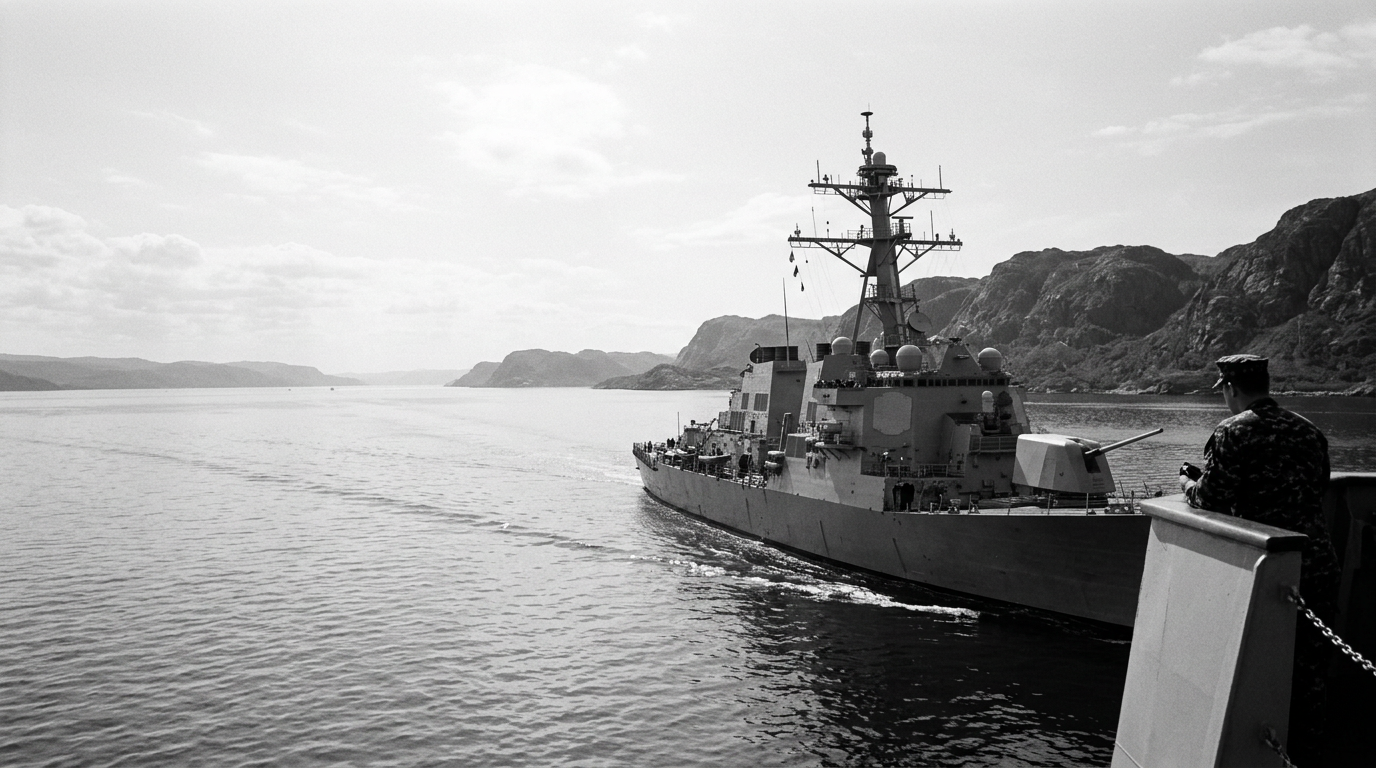
President Trump threatened more U.S. strikes on Iran on Saturday, Aug. 1, as officials said Washington is pressing to reopen the Strait of Hormuz. The warning adds a direct military risk to one of the world’s most sensitive energy routes while Israel carries out attacks in Gaza.
The immediate market reaction was not available. The geopolitical channel is clear: any prolonged disruption around Hormuz would raise concern over energy supply, shipping insurance and risk appetite across oil-linked currencies, defense shares and broader equities.
Hormuz pressure meets Gaza strikes
Officials said the U.S. effort is focused on reopening the Strait of Hormuz, a chokepoint whose closure or restriction can quickly feed into crude pricing and freight costs. The threat of more strikes on Iran raises the risk that military signaling turns into a wider cycle of retaliation.
For the White House, the central test is whether pressure can restore shipping confidence without broadening the conflict. If Hormuz access stabilizes, markets may treat the episode as a contained geopolitical shock. If vessels remain exposed or Iran-facing strikes expand, investors are likely to price higher energy risk and a larger safe-haven premium.
Israel’s attacks in Gaza keep a second front active at the same time. That matters because diplomacy, military assets and market attention are all being pulled across overlapping Middle East flashpoints.
The next explicit window is the 24 hours through Sunday, Aug. 2, 2026, when traders will look for confirmation that Hormuz traffic is reopening and whether Washington signals additional military action.