Trump Proposes Tariffs to Close Revenue Gap
Donald Trump proposes new tariffs to address a projected $1.6 trillion revenue shortfall if re-elected, aiming to fund government operations.
Atlas Newsdesk ·
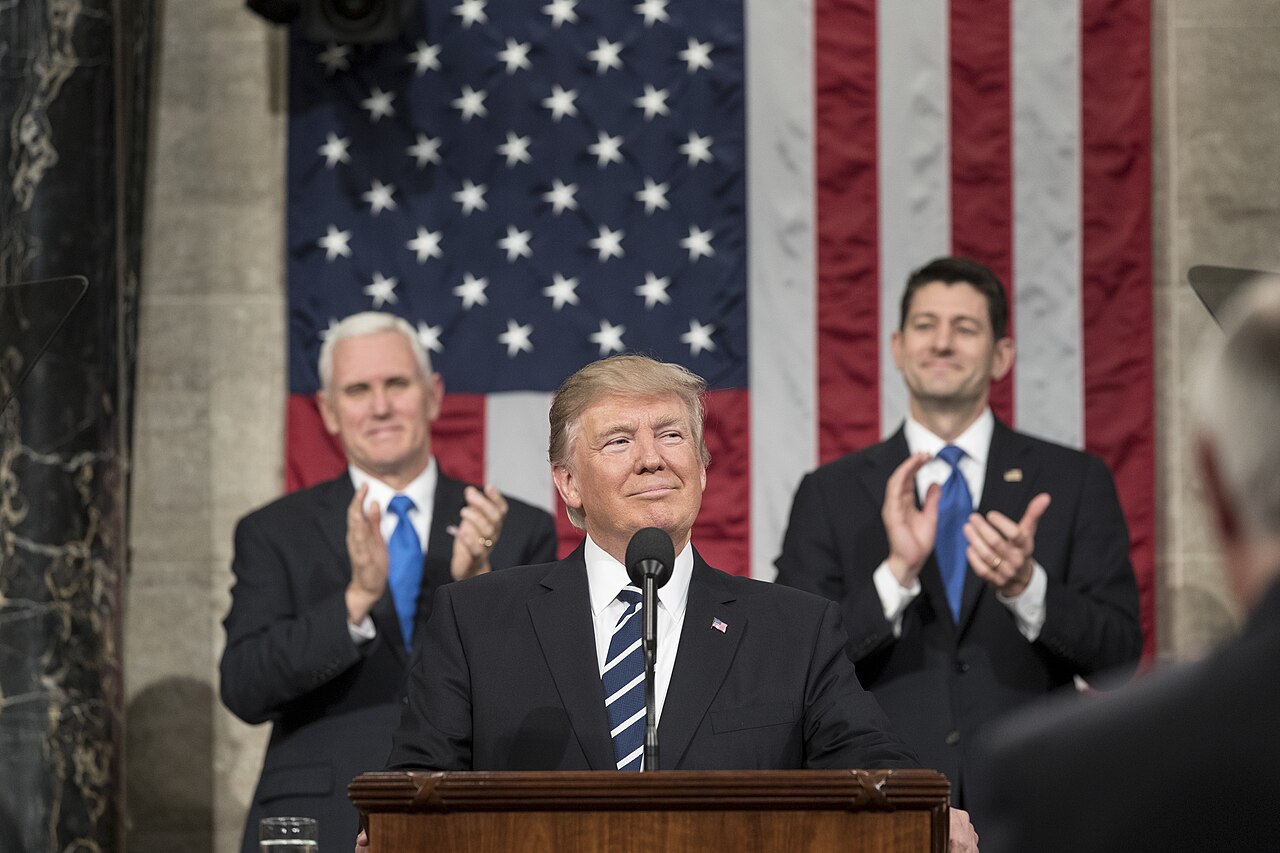
Former U.S. President Donald Trump has outlined a plan to implement new tariffs on imported goods, a strategy intended to address a projected $1.6 trillion revenue deficit if he secures re-election. This proposal aims to generate substantial federal income through increased import duties, though specific rates and the full scope of goods affected have not yet been detailed.
Proposed Economic Strategy
The former president's economic platform centers on using these tariffs to bolster government finances. The initiative is designed to fund various government operations and contribute to reducing the national debt over a potential future presidential term. This approach marks a continuation of his previous administration's trade policies, which heavily relied on tariffs as a tool for economic leverage and revenue generation.
Historical Context of Tariffs
Tariffs, historically, have been employed by nations for various reasons, including protecting domestic industries, retaliating against unfair trade practices, and raising government revenue. During his first term, Trump imposed tariffs on a wide range of goods, particularly from China, citing national security concerns and aiming to rebalance trade deficits. These actions led to retaliatory tariffs from other countries, impacting global supply chains and international trade relations.
Potential Economic Implications
Economists often debate the effects of widespread tariffs. While they can generate revenue and potentially shield domestic industries, they can also lead to higher consumer prices as import costs increase. Additionally, tariffs can provoke trade disputes, disrupt global supply chains, and reduce overall economic efficiency. The proposed $1.6 trillion revenue target suggests a significant expansion of tariff application compared to previous implementations.
Political and Market Reactions
The prospect of new, broad-based tariffs typically elicits varied reactions from political and economic sectors. Domestic industries that compete with imports might welcome protection, while those reliant on imported components or international trade could face increased costs and reduced competitiveness. Global financial markets often react to tariff announcements with volatility, as they introduce uncertainty into international commerce and corporate earnings forecasts.
Outlook on Trade Policy
Should this tariff proposal advance, it would signal a significant shift in U.S. trade policy, emphasizing protectionism and revenue generation through import taxes. The specifics of the tariff rates and the categories of goods targeted will be crucial in determining the full economic impact, both domestically and internationally. The debate surrounding the efficacy and consequences of such a policy is expected to intensify as the presidential election cycle progresses.
Implications
Country Impact: The United States could see shifts in consumer prices due to increased import costs and potential changes in domestic industry competitiveness. Trade relations with key partners might experience renewed tensions.
Industry Impact: Industries reliant on imported goods could face higher operational costs, while domestic sectors competing with imports might experience increased protection. Global supply chains could undergo further restructuring.
Market Impact: Global financial markets, including equities and currencies, may exhibit volatility in response to potential trade policy shifts. Companies with significant international trade exposure could see impacts on their earnings.