Trump says US ‘not finished’ with Iran as Tehran warns strikes would widen war
US President Donald Trump said the US is “not finished” with Iran, while Iranian officials warned any US strike on nuclear or other sensitive sites would…
Mei Lin ·
# Trump says US ‘not finished’ with Iran as Tehran warns strikes would widen war
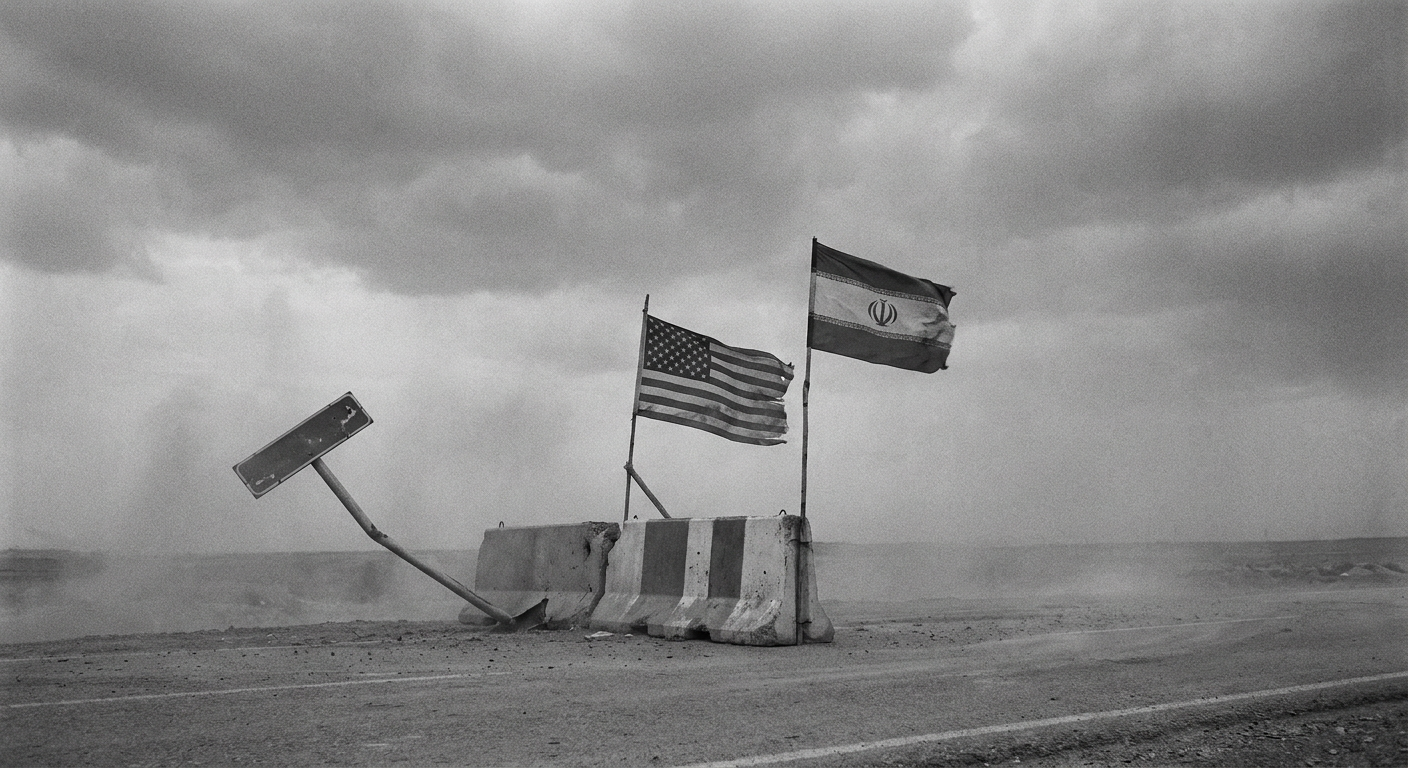
US President Donald Trump said the United States is “not finished” with Iran, as Tehran warned that any US strike on its nuclear facilities or other sensitive sites would be treated as a widening of the war. The remarks injected fresh uncertainty into regional markets that Asia relies on for energy imports and shipping routes.
US President Donald Trump
In Asia, even a Middle East flare-up quickly turns into a price and logistics problem. Japan, South Korea, India, and many ASEAN (Association of Southeast Asian Nations) economies import most of their crude oil and liquefied natural gas, and a large share of that supply transits chokepoints vulnerable to conflict-driven disruption.
Asian governments tend to respond through three channels: quiet diplomacy, contingency planning for energy inventories, and market-stabilisation measures if foreign exchange volatility accelerates. In past episodes of Gulf tension, traders also reprice shipping insurance and reroute vessels, which can raise delivered fuel costs across Asia even without a physical supply cut.
For Asia, the immediate
spillover risk is energy and freight inflation.
If the conflict widens in ways that threaten supply infrastructure or maritime
transit, crude benchmarks can rise and filter into transport, power generation, and food prices, complicating the inflation path for central banks such as the Bank of Japan and the Reserve Bank of India.
There is also a foreign exchange channel
There is also a foreign exchange channel. Higher energy import bills can pressure the trade balances of net importers, while risk-off sentiment can strengthen the US dollar and tighten financial conditions across emerging Asia. On the security side, any escalation around nuclear sites raises the stakes for diplomatic alignment, sanctions compliance, and maritime security coordination.
Watch for any official US statement detailing potential targets or timelines, and for Iranian government or military announcements that define “nuclear facilities or other sensitive sites” in operational terms. By 2026-08-05, markets should be able to falsify the near-term escalation risk: if there are no announced strikes on nuclear-linked sites and no new Iranian threats to widen the conflict, energy and freight risk premia should ease; if strikes occur or Tehran signals retaliation that affects shipping lanes, Asia’s import-dependent economies will likely face a renewed squeeze via higher fuel costs and a firmer US dollar.