Hormuz tanker risk rises after deadly Oman attack
A seafarer was killed and three were injured when the crude tanker Al Bahyah was attacked off Oman, lifting pressure on Hormuz shipping.
Mateo Fernandez ·
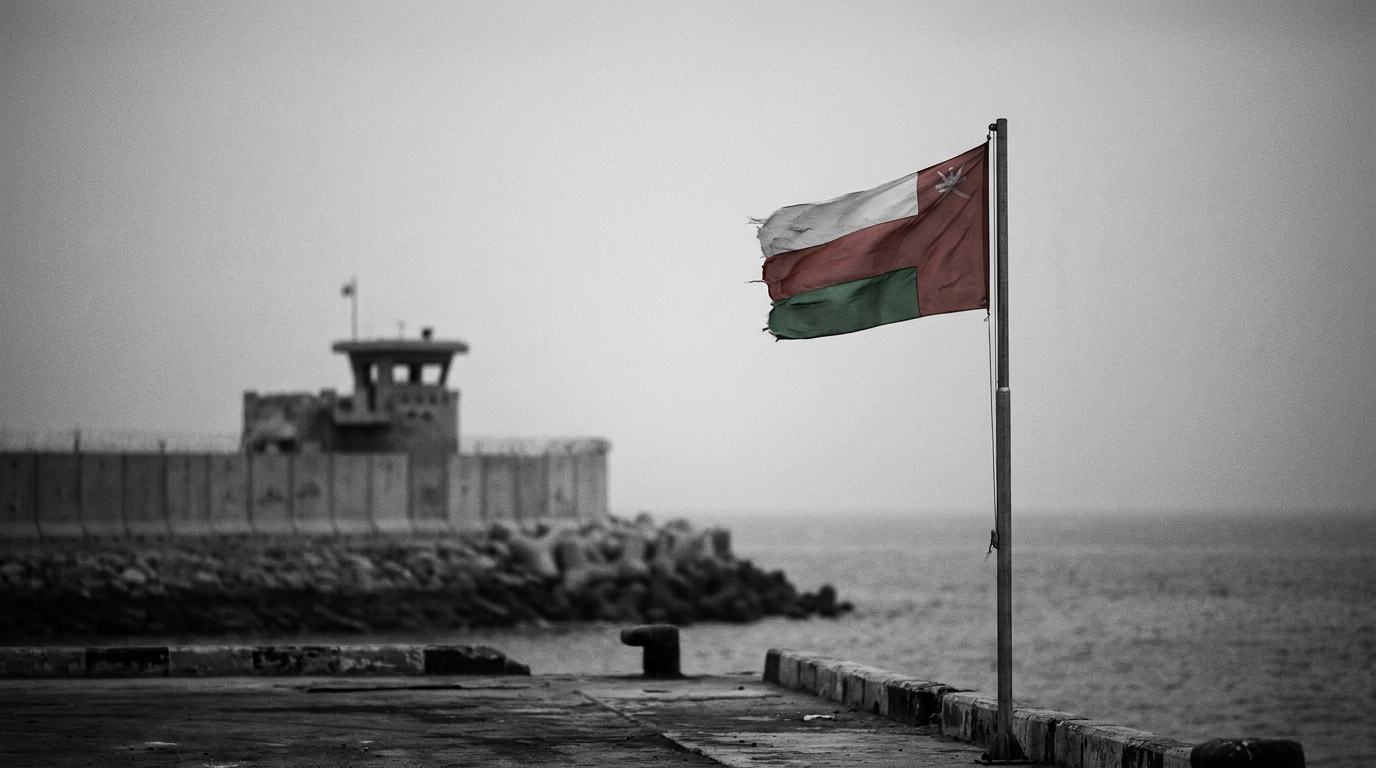
Oil tanker security risks near the Strait of Hormuz rose after an attack on the crude carrier Al Bahyah off Oman on Tuesday killed one seafarer and injured three others, officials said. A maritime risk CEO described the pressure on shipping lanes around Hormuz as a “worst case scenario” as Iran steps up attacks on ships.
The incident puts a fresh geopolitical premium on one of the world’s most sensitive maritime corridors. The immediate market reaction was not available, but tanker disruption near Hormuz can feed quickly into oil freight rates, war-risk insurance and crude supply expectations.
Al Bahyah attack raises Hormuz risk
Hormuz is the narrow passage connecting the Gulf with open sea routes, making security there central to energy flows from major Gulf producers. Even limited attacks can force shipowners, insurers and charterers to reassess voyages, add security costs or delay sailings while they wait for clearer guidance.
For the Al Bahyah, the direct issue is crew safety, vessel status and the operator’s ability to move cargo without further exposure. For the wider tanker market, the mechanism is straightforward: higher perceived risk raises insurance and operating costs, and those costs can be passed into freight pricing.
If attacks remain isolated, the macro effect may stay concentrated in oil risk premiums and shipping costs. If attacks broaden or traffic slows near Hormuz, the pressure could move into crude prices, refinery margins and inflation expectations in energy-importing economies.
The next checkpoint is the 24 hours through Saturday, July 18, when ship operators and security officials will assess whether the Al Bahyah attack was an isolated strike or part of a wider escalation around Hormuz.