Washington Faces Quiet Test as Israel Debates More Women in Knesset
Yael Yechieli’s push for equal representation in Israeli party lists may surface in U.S. diplomacy, even if overshadowed by security concerns.
Lauren Collins ·
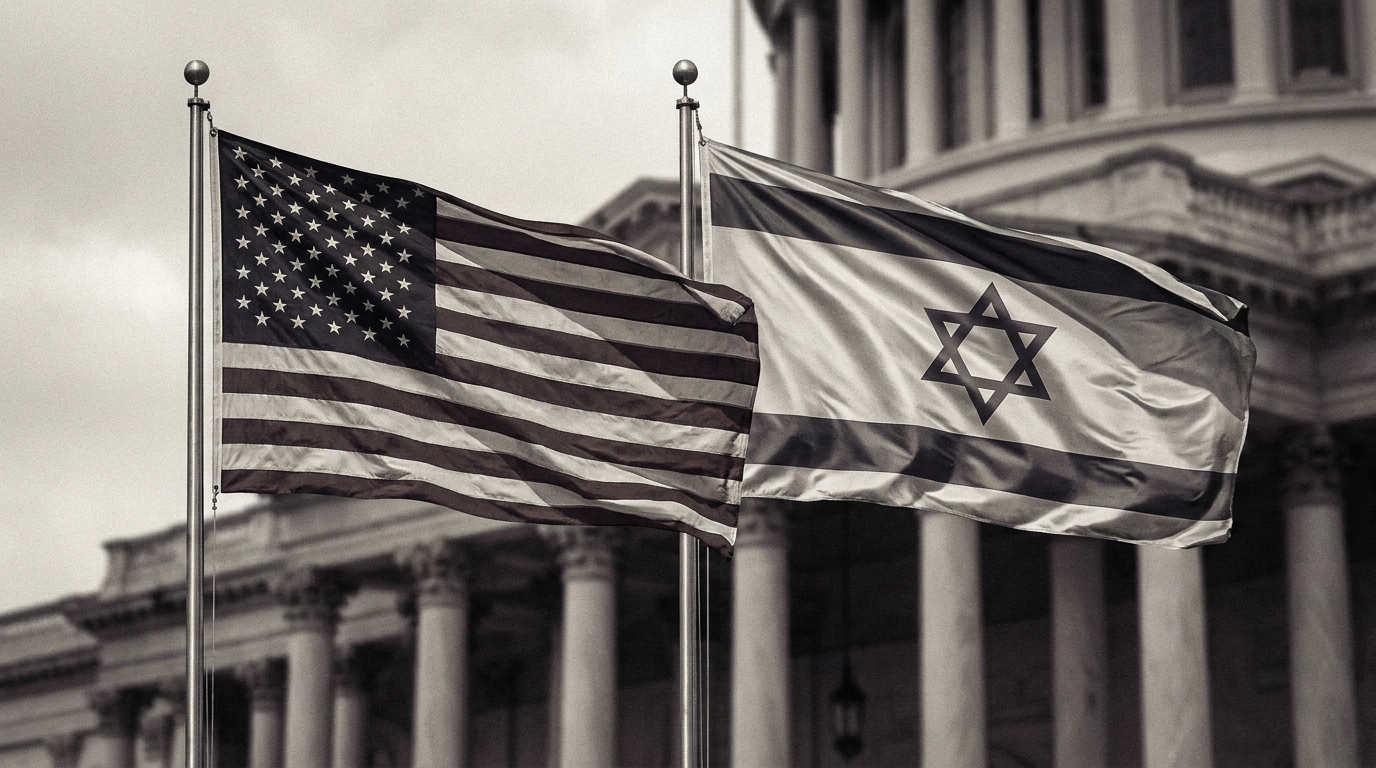
# Washington Faces Quiet Test as Israel Debates More Women in Knesset
WASHINGTON, July 17. A new Israeli debate over whether every political party should put women in half its Knesset slots is testing how far Washington’s democracy language reaches inside the politics of a close ally. Yael Yechieli’s campaign for gender equality in Israel’s parliament is a domestic fight first, but it sits squarely inside the values vocabulary U.S. officials use when they talk about democratic resilience abroad.
Washington Faces Quiet Test
The White House has not made women’s representation in the Knesset a front-line issue in U.S.-Israel relations. Gaza, hostages, Iran, weapons transfers and congressional oversight dominate the relationship. Still, gender equality in political leadership is not foreign to the U.S. diplomatic script. State Department human-rights reporting, democracy programs and public diplomacy have long treated women’s participation in politics as a marker of institutional health.
The Knesset is Israel’s national legislature, and party lists matter because Israeli voters choose parties rather than individual district candidates. That makes the order and composition of each party’s slate a powerful gatekeeping tool. Yechieli’s demand for 50% women in every party is therefore not only symbolic; it goes directly to how political power is allocated before voters ever cast ballots.
For Washington, the issue lands in an uncomfortable lane. U.S. officials regularly encourage inclusive governance in foreign policy documents and in democracy programming, but they are far more cautious when the subject concerns the internal politics of a strategic partner. Israel receives intense attention from the White House, State Department, Pentagon and Congress, yet most of that attention is tied to war policy, security assistance and regional diplomacy rather than parliamentary reform.
Washington Faces Quiet Test
The U.S. policy machinery divides those concerns. The National Security Council coordinates the president’s approach to Israel and the region. The State Department handles diplomacy, public human-rights language and annual reporting on political freedoms. The Pentagon manages the military relationship. Congress can pressure the administration through hearings, aid conditions, letters and legislation, but lawmakers are usually more active on security and war powers than on the composition of Israeli party lists.
That does not make the gender debate irrelevant in Washington. Since the Biden era, U.S. foreign policy rhetoric has repeatedly linked democracy, human rights and women’s participation in public life. Those themes appear most often in statements about fragile states, authoritarian systems and post-conflict settings. Applying the same language to an allied democracy is more delicate because it can be heard as interference, especially in Israel’s polarized political environment.
The immediate political question is whether Israeli parties see equal representation as an electoral advantage, a moral obligation or a constraint. If party leaders decide that women candidates help broaden appeal, the reform can advance without foreign pressure. If they see quotas as a threat to internal hierarchies, outside praise from Washington may do little and could even harden resistance among politicians who reject U.S. commentary on domestic affairs.
The Gaza war sharpens the trade-off. In a crisis, Washington often narrows its public messaging to cease-fire diplomacy, humanitarian access, hostage negotiations, arms policy and regional deterrence. Issues such as women’s representation do not disappear, but they move into lower-profile channels: embassy meetings, civil-society programs, democracy forums and private conversations with political actors.
That is where Yechieli’s
campaign could matter for U.S. diplomacy.
If the push gains traction across Israeli parties, U.S. officials can frame
it as evidence that Israeli democratic institutions are still adapting under stress. If it stalls or becomes partisan, Washington is more likely to avoid direct comment and keep the focus on security cooperation and conflict management.
The broader sector affected is the ecosystem of democracy advocates, women’s political networks and civil-society groups that operate between local activism and international support. These groups often rely less on headline endorsement than on access, funding channels, convening power and legitimacy. A single U.S. statement rarely changes a party list, but sustained diplomatic attention can make it harder for political institutions to treat representation as a side issue.
There is also a macro layer, even if it is not economic in the narrow sense. The United States is trying to defend a rules-based democratic narrative while managing wars, great-power competition and domestic political fatigue. When allies face internal debates over judicial independence, minority rights or political representation, Washington’s credibility depends partly on whether it applies its values language consistently. Too much public pressure can backfire; too little can make the rhetoric look selective.
The main uncertainty is whether this Israeli debate becomes a cross-party governance question or remains identified with one camp. A broad-based reform drive would give Washington a low-risk way to praise inclusion without appearing to pick winners. A partisan fight would make U.S. officials more cautious, especially while Israeli leaders and U.S. lawmakers are already clashing over the conduct and duration of the Gaza war.
The falsifiable test is whether a senior U.S. official publicly links Israeli democratic strength to inclusive political representation by September 30, 2026. If that happens, the signal is that Washington sees gender representation as compatible with its security-first Israel agenda; the company-level equivalent here is not a firm but Yechieli’s campaign, which would gain international validation; the wider democracy sector would read it as permission to keep representation on the agenda during wartime diplomacy. If no such language appears and U.S. statements stay confined to security, hostages and humanitarian issues, the better read is that Washington has decided the political cost of commenting on Knesset representation outweighs the diplomatic benefit.