Trump Forecasts Swift End to Iran Conflict
Donald Trump stated on March 9, 2026, that the Iran conflict, initiated on February 28, is expected to conclude soon after U.S./Israeli strikes.
Lauren Collins ·
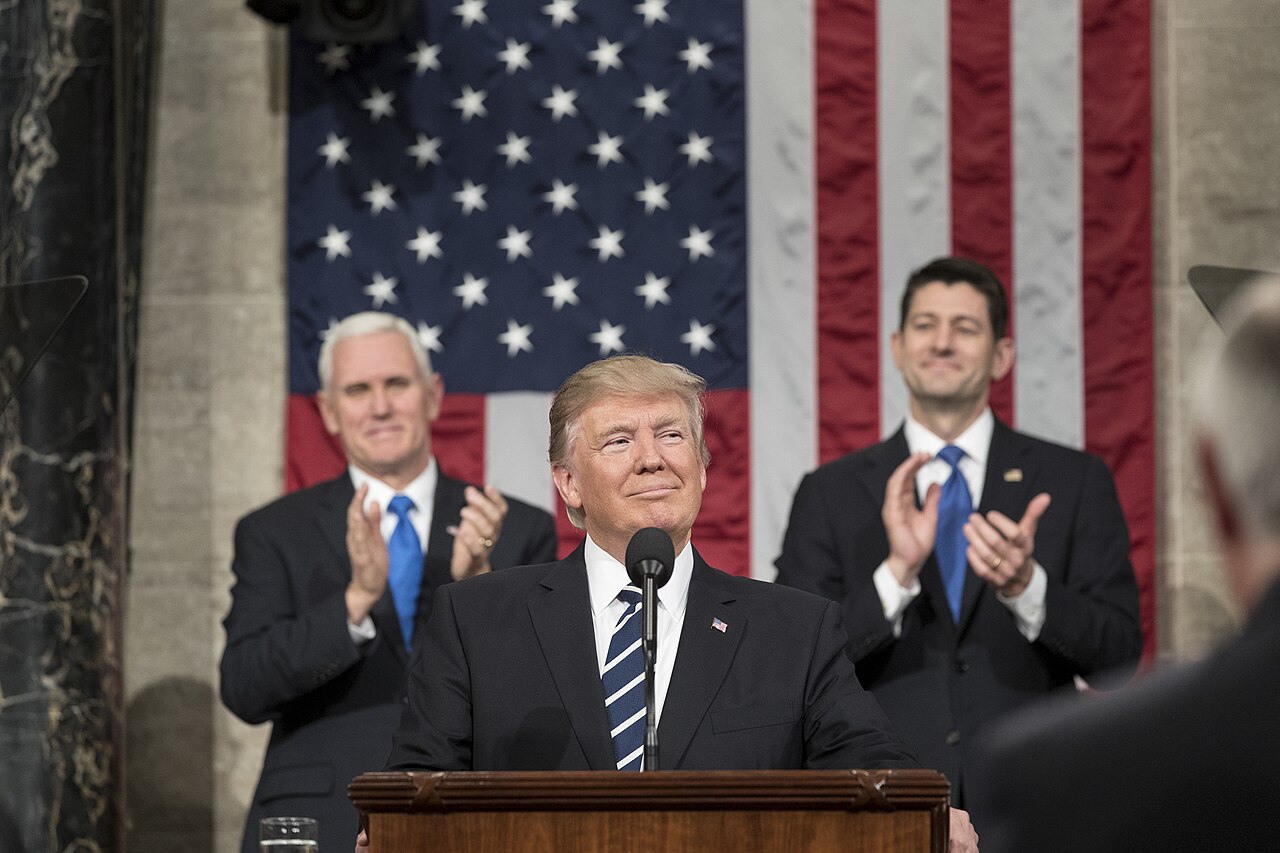
Former U.S. President Donald Trump, speaking from Doral, Florida, on March 9, 2026, asserted that the ongoing conflict with Iran is nearing its conclusion. The hostilities, which commenced on February 28, have involved a series of U.S. and Israeli military actions against Iranian targets. These operations were initiated following the death of Iran's Supreme Leader, Ayatollah Ali Khamenei.
Trump indicated that approximately 5,000 targets within Iran had been struck over the preceding ten days. These targets reportedly included nuclear facilities, civilian infrastructure, oil refineries, and a desalination plant. Despite the optimistic outlook for a rapid resolution, the former president issued a caution, stating that military actions would intensify if Iran continued to impede shipping through the Strait of Hormuz, a critical maritime chokepoint.
Military Operations and Strategic Objectives
The military campaign has focused on degrading Iran's strategic capabilities. Trump specifically mentioned efforts to neutralize Iran's drone and missile programs, claiming that missile capacity had been reduced by approximately 90%. This strategic targeting aims to diminish Iran's ability to project power and disrupt regional stability.
Economic and Geopolitical Ramifications
The conflict has already impacted global energy markets, with Brent crude oil prices surpassing $119 per barrel due to concerns over shipping disruptions in the Strait of Hormuz. In response to these risks, Trump announced that the U.S. would offer political risk insurance and potential protective measures for tankers operating in the Persian Gulf, aiming to stabilize maritime trade.
Leadership Transition in Iran
The death of Ayatollah Ali Khamenei precipitated a leadership transition in Iran, with his son, Mojtaba Khamenei, assuming the role of Supreme Leader. Trump expressed dissatisfaction with this succession, contrasting it with Russian President Vladimir Putin's congratulatory message to the new Iranian leader. This divergence highlights differing international perspectives on Iran's political future and regional influence.
Historical Context of U.S.-Iran Tensions
-Iran relations have been fraught with tension for decades, marked by periods of diplomatic isolation, sanctions, and proxy conflicts. Key flashpoints have included Iran's nuclear program, its support for regional non-state actors, and its strategic control over vital shipping lanes. The current escalation follows a long history of geopolitical friction, underscoring the persistent challenges in the region.
Previous administrations have also grappled with Iran's influence, often employing a mix of diplomatic pressure and targeted sanctions. The current military actions represent a significant escalation in this protracted geopolitical rivalry, with potential long-term implications for regional security and global energy markets.
Implications
Country Impact: The conflict significantly impacts Iran's internal stability and its regional standing, potentially leading to further international isolation or increased internal dissent. For the U.S., it tests diplomatic alliances and military capabilities in a volatile region.
Industry Impact: The energy sector faces immediate volatility, particularly oil and gas, due to threats to shipping in the Strait of Hormuz. The maritime insurance industry will likely see increased premiums and demand for political risk coverage.
Market Impact: Global financial markets, especially commodity markets, are reacting to geopolitical uncertainty, with oil prices rising. Defense sector stocks may see increased interest, while broader market sentiment could be negatively affected by regional instability.