Trump Claims US Has Total Control Over Strait of Hormuz
President Trump said the United States has 'almost total control' of the strait and reported recent oil flows; he offered no specifics on next steps.
Mateo Fernandez ·
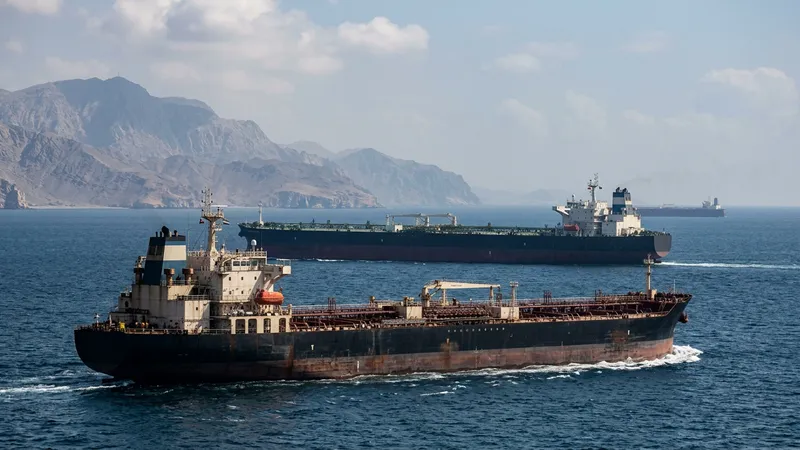
President Trump said the United States has "almost total control" of the Strait of Hormuz and reported oil flows over the past three days, adding "You will see things happening very soon."
Market data showed US crude futures trading near $90.65 after an intraday high toward $92; trading screens placed technical resistance near $92.60 and the $91.68 retracement, with support around $88.73.
Strait of Hormuz control claim
President Trump framed the situation as tightly controlled but supplied no timetable or operational detail. He also said there had been "historic flows of oil out of Hormuz in the last three days," a statement that, if sustained, would ease immediate supply concerns but does not prove longer-term access.
For oil traders the practical question is whether reported flows translate into reliable tanker movements. The White House comments left open several possible next steps — negotiated arrangements, changes to escort or monitoring, or military measures — and offered no explicit guarantees that shipments will continue uninterrupted.
Traders will watch shipping and official logistics data for confirmation; market participants expect clearer signals by October 2, 2026, when near-term shipping tallies and weekly supply reports could show whether flows remain steady.
Unverified claims of heightened security dominance in the Strait of Hormuz could trigger acute short-term volatility across global energy markets as traders demand hard maritime logistics data to confirm physical throughput. If crude oil prices remain anchored near or above existing technical resistance levels, the resulting energy surge is likely to complicate central bank policies globally by renewing inflationary pressures across manufacturing and transportation sectors. The primary security risk involves potential asymmetric responses or targeted maritime disruptions by regional adversaries, which could quickly test the limits of reported operational control. Similar to past friction points in the Persian Gulf, lasting market stabilization historically requires structural commitments such as coordinated international naval escorts rather than political declarations alone. Conversely, a verified and sustained flow of crude would offer significant relief to major energy-importing nations, potentially stabilizing commercial inventories ahead of upcoming seasonal shifts. Moving forward, the broader geopolitical and economic outlook hinges on whether concrete shipping registries corroborate official assurances or reveal persistent vulnerabilities along this vital maritime choke point.