UAE Quits OPEC, Prioritizing National Interests
The UAE exited OPEC on April 28, citing national interest amid regional tensions and U.S. support for potential lower energy prices.
Atlas Newsdesk ·
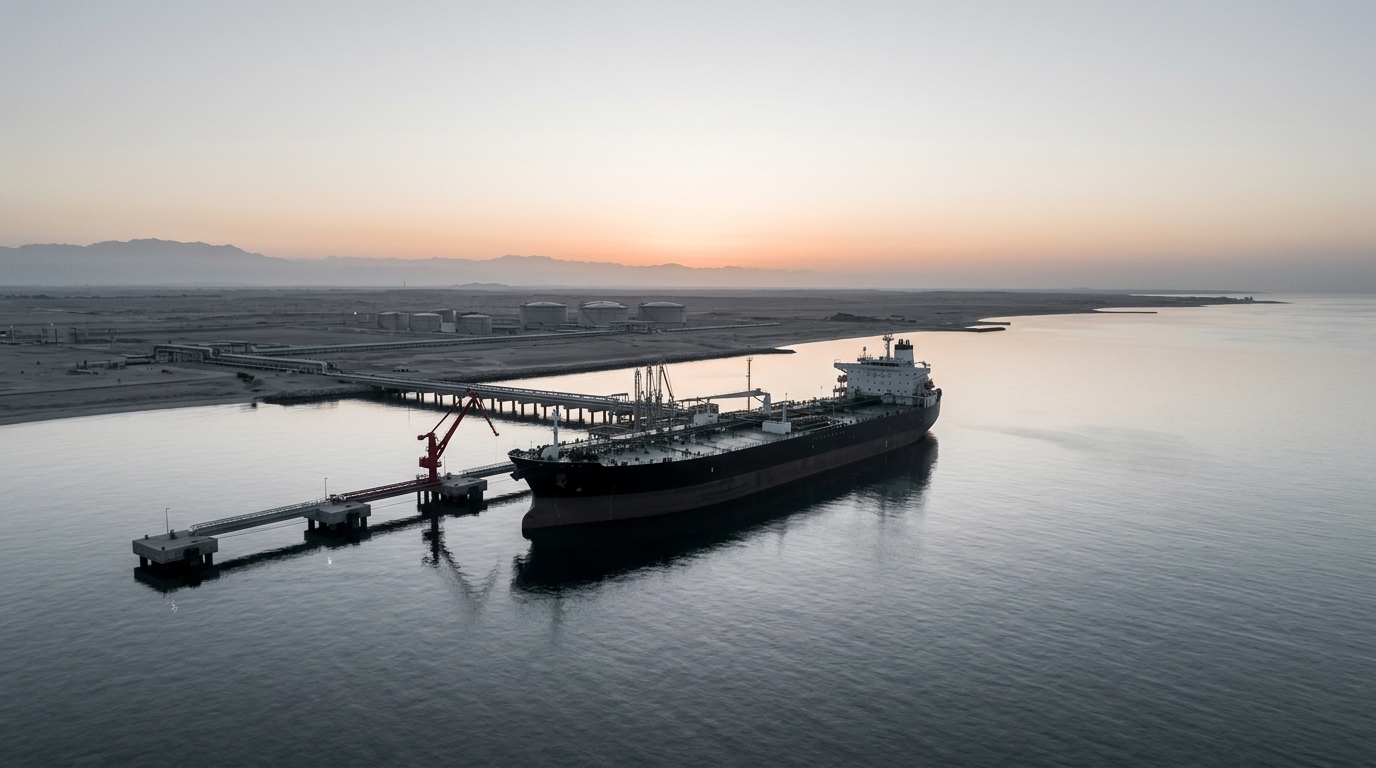
UAE Exits OPEC, Citing National Interest The United Arab Emirates (UAE) announced its withdrawal from the Organization of the Petroleum Exporting Countries (OPEC) on Tuesday, April 28, effective May 1. This decision, communicated by the UAE's energy ministry, follows a review of its production policy and capacity, concluding that exiting the group aligns with its national interests.
The move impacts OPEC, which has coordinated oil prices and production quotas for over six decades, as the UAE was its third-largest oil producer in February.
The withdrawal occurs amidst heightened regional tensions, including missile and drone attacks on the UAE by Iran, a fellow OPEC member. Additionally, Iran's effective closure of the Strait of Hormuz has constrained the UAE's oil export capabilities, impacting its economy.
U.S. President Donald Trump expressed support for the UAE's decision on Wednesday, April 29, stating his belief that it could contribute to lower energy prices, which have increased since the U.S.
and Israel initiated conflict with Iran on February 28.
The UAE's departure represents a significant shift in global oil dynamics, potentially influencing future production strategies and market stability. The remaining 11 OPEC members will continue to coordinate production, but without the UAE's contribution, the group's collective output and market influence may be altered. The long-term consequences for oil prices and international energy policy remain subject to evolving geopolitical and economic factors.