Trump Suggests Iran Conflict Nearing Conclusion
Former U.S. President Trump suggests the Iran conflict may end soon, citing depleted targets, while Israel vows to continue operations.
Lauren Collins ·
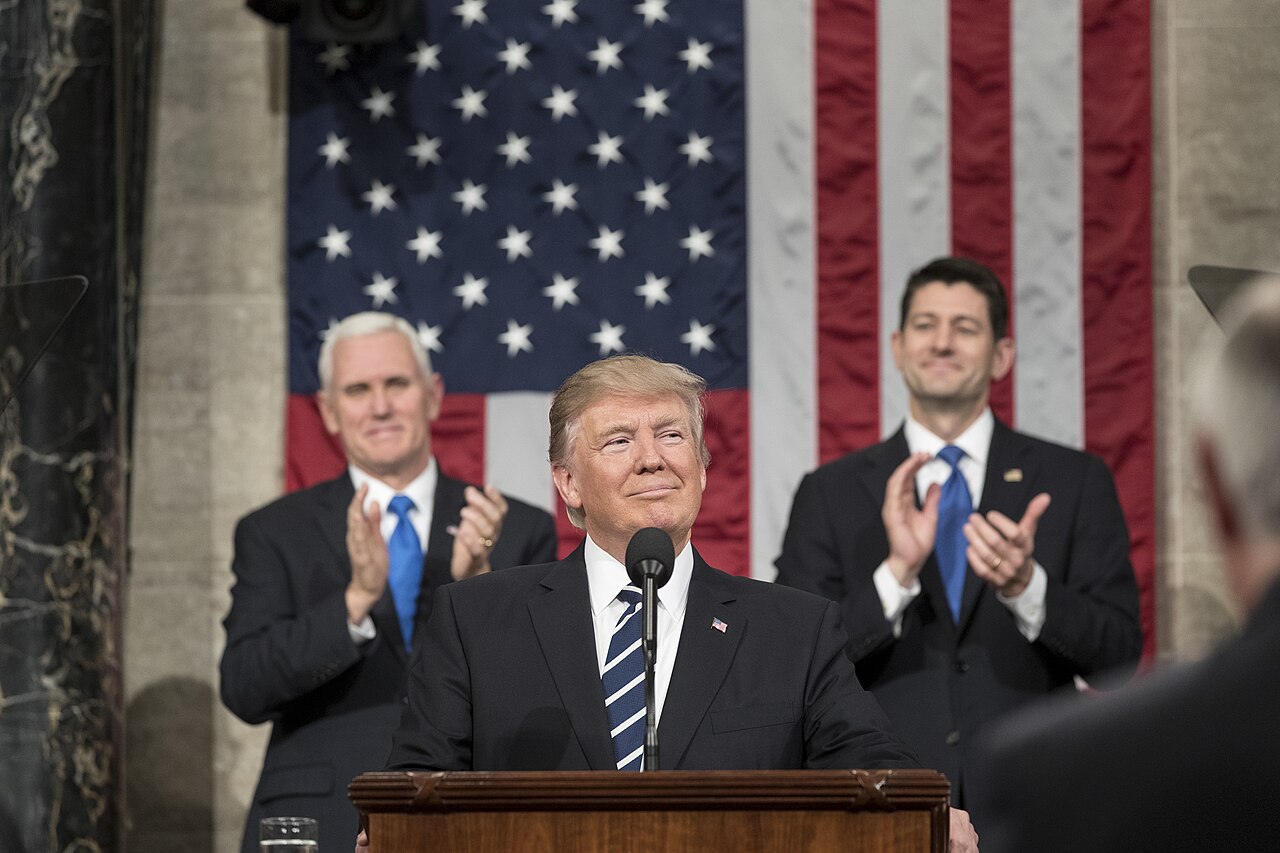
Former U.S. President Donald Trump recently suggested that the ongoing conflict with Iran might be approaching its end. Speaking in an interview, Trump indicated that the United States military had exhausted its primary bombing targets within Iran. This perspective implies a potential unilateral cessation of hostilities by the U.S.
Conversely, Israeli Defense Minister Israel Katz articulated a different stance, asserting that military operations would persist until all strategic objectives are achieved. This divergence highlights differing views on the conflict's duration and ultimate resolution among key international actors. The conflict has involved extensive military actions, with thousands of strikes conducted by the U.S. and Israel against Iranian assets.
Escalation and Casualties
Since the initiation of hostilities, these operations have reportedly resulted in at least 1,300 fatalities. Despite these significant military engagements, Iran has continued to deploy drones and missiles targeting Israeli and U.S. interests across the Middle East. Furthermore, Iranian forces have maintained disruptions to commercial shipping routes, particularly within the Strait of Hormuz.
These disruptions have contributed to volatility in global oil prices and broader economic uncertainty. The initial stated objective for U.S. involvement, as articulated by then-President Trump, was to foster "freedom" for the Iranian populace. However, as the Iranian government has maintained its stability, the focus of U.S. policy has evolved.
Shifting Strategic Objectives
U.S. officials have subsequently redefined their strategic goals to include the dismantling of Iran's nuclear, missile, and drone programs, alongside its naval capabilities. This shift reflects a broader effort to contain Iran's regional influence and military development. The long-term efficacy of this strategy has drawn scrutiny from various political figures.
Democratic Senator Chris Murphy, for instance, has raised concerns regarding the potential for Iran to reconstitute its military infrastructure following any cessation of current hostilities. Such a scenario, critics argue, could lead to a protracted and "endless war" cycle, undermining efforts for lasting regional stability. The complex interplay of military actions, economic pressures, and shifting diplomatic objectives continues to define the U.S.-Iran relationship.
Regional Stability Concerns
The Strait of Hormuz remains a critical chokepoint for global energy supplies, and its continued disruption underscores the economic ramifications of the conflict. International efforts to de-escalate tensions and secure maritime passage are ongoing, yet progress remains challenging given the entrenched positions of the involved parties. The future trajectory of the conflict hinges on both military developments and diplomatic initiatives.
Any resolution would likely require a multifaceted approach addressing Iran's nuclear ambitions, its regional proxy networks, and the security concerns of its neighbors. The differing perspectives between U.S. and Israeli leadership on the conflict's conclusion further complicate the path toward a comprehensive and sustainable peace in the region.
Implications
Country Impact: The differing views between U.S. and Israeli leadership on the conflict's duration could strain alliance dynamics. Iran's continued actions risk further international isolation and economic sanctions.
Industry Impact: Disruptions in the Strait of Hormuz continue to impact global shipping and energy markets, contributing to oil price volatility. Defense and aerospace industries may see sustained demand for military hardware.
Market Impact: Global oil prices remain sensitive to developments in the Middle East, with potential for upward pressure from supply disruptions. Investor confidence in regional stability could be undermined, affecting foreign direct investment.