EU Divisions Emerge Over Middle East Conflict Response
The EU faces significant internal divisions over its response to the escalating Middle East conflict, impacting its foreign policy and global standing.
Lauren Collins ·
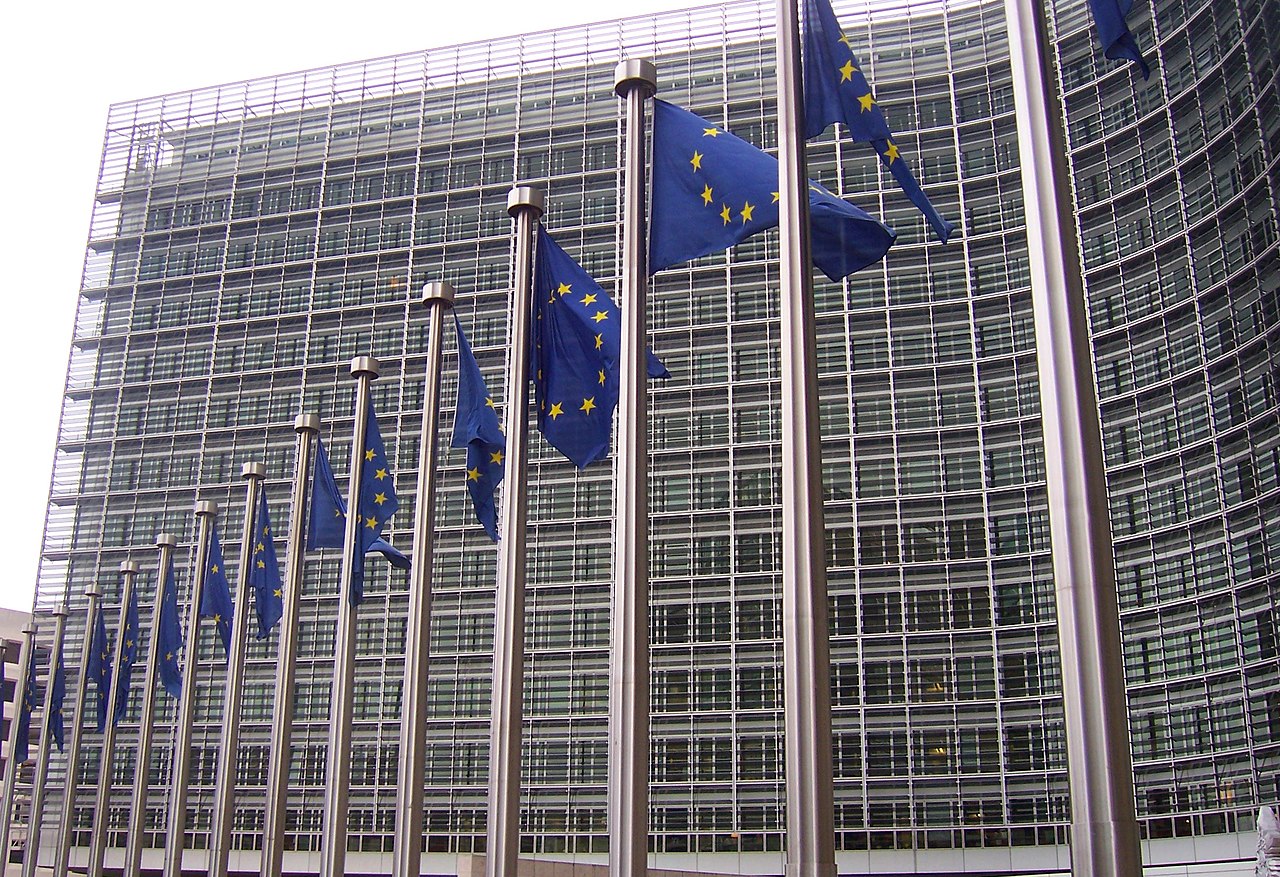
The European Union is grappling with significant internal disagreements regarding its approach to the ongoing Middle East conflict. This disunity has become apparent as the conflict, now in its second week, involves missile exchanges impacting regions including Tehran and southern Iran. The varied national and institutional responses within the bloc highlight a struggle to formulate a cohesive foreign policy stance.
European Commission President Ursula von der Leyen has advocated for a foreign policy that is more pragmatic and aligned with current interests, suggesting a departure from traditional diplomatic frameworks. This perspective contrasts with statements from leaders such as Spanish Prime Minister Pedro Sánchez, who has emphasized adherence to European values and international law in the bloc's actions.
Similarly, European Commission Vice-President Teresa Ribera underscored the importance of upholding international legal principles.
Internal Policy Disagreements
France, for instance, has deployed naval assets to the Mediterranean and Red Sea, indicating a national security response. Concurrently, the EU has allocated humanitarian assistance to Lebanon, supporting approximately 130,000 individuals displaced by the hostilities. Despite these individual actions, the collective voice of the EU on the conflict has been widely perceived as understated and lacking decisive impact.
Critics, including former EU officials, have characterized the bloc's role as "paralysed" and "shameful," pointing to a perceived reluctance to address the initial actions of certain international actors while focusing primarily on retaliatory measures.
This internal friction extends to leadership roles, with France reportedly criticizing President von der Leyen for engaging in direct diplomatic initiatives, a function typically reserved for the EU's High Representative for Foreign Affairs, Kaja Kallas.
Geopolitical Context and Implications
The ongoing conflict has intensified existing geopolitical tensions in the region, with broader implications for global stability. The EU's internal divisions risk undermining its credibility as a unified international actor capable of influencing major global events. This perceived timidity is partly attributed to concerns about potentially antagonizing key allies, particularly the United States, thereby hindering the EU's ability to articulate an independent and impactful position.
This lack of consensus within the EU could have long-term consequences for its foreign policy autonomy and its ambition to be a significant player on the world stage. The current situation underscores the challenges inherent in coordinating the diverse interests and values of 27 member states, especially during periods of acute international crisis.
The ability of the EU to overcome these internal hurdles will be crucial in defining its future role in global politics and its capacity to respond effectively to complex geopolitical challenges.
Outlook for EU Foreign Policy
The coming weeks will likely test the EU's capacity to forge a more unified approach. Discussions among member states will focus on balancing national interests with collective European values and strategic objectives. The outcome of these internal deliberations will shape the EU's diplomatic engagement and its potential influence on de-escalation efforts in the Middle East.
A failure to achieve greater coherence could further diminish the bloc's international standing and its ability to project soft power effectively.
Implications
Country Impact: The internal divisions within the EU weaken its collective foreign policy stance, potentially diminishing its influence on global political developments and its ability to act as a unified bloc.
Industry Impact: The geopolitical instability in the Middle East, exacerbated by the conflict, could impact energy markets and supply chains, affecting European industries reliant on regional resources and trade routes.
Market Impact: Uncertainty surrounding the EU's response and the broader conflict may contribute to market volatility, particularly in energy commodities and potentially impacting investor confidence in European assets.