Iran Rejects US Peace Plan, Demands Hormuz Concessions
Iran sent a formal reply to a 15-point U.S. peace proposal, tying any deal to Hormuz sovereignty and multiple conditions amid market strain.
Lauren Collins ·
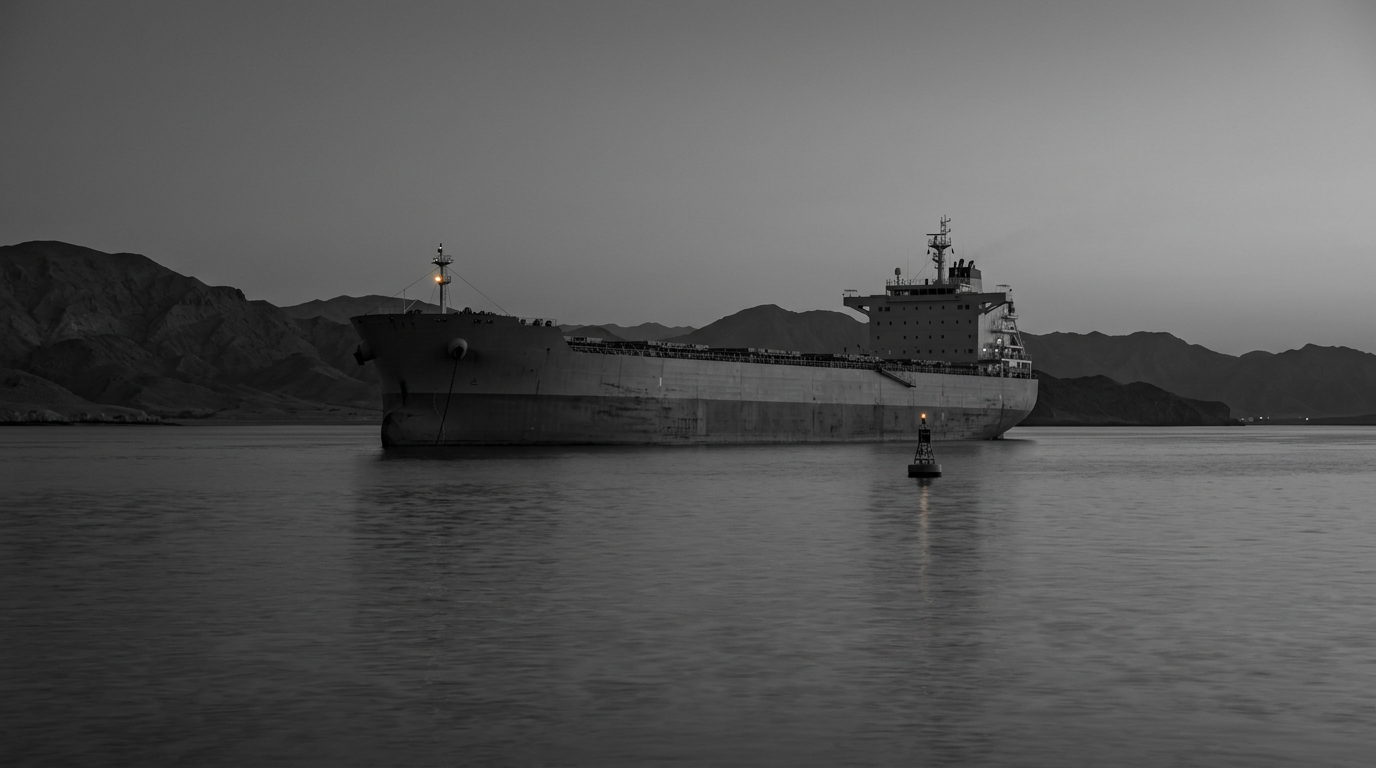
Iran has delivered a formal response to a 15-point U.S. proposal aimed at ending a conflict that has lasted for nearly a month, setting out conditions and reiterating its position on the Strait of Hormuz.
The message was sent on Wednesday night, and it framed Tehran’s demands around security guarantees, compensation, and changes in regional military activity.
What Iran said in its reply
Iran’s response asserted sovereignty over the Strait of Hormuz, a chokepoint that carries roughly one-fifth of global oil supplies.
As described by the Tasnim news agency, Iran’s conditions included an end to assassinations of Iranian leadership, compensation for war-related damage, and a halt to hostilities by regional “resistance” groups.
U.S. messaging and the mediation channel
The exchange followed public comments by U.S. President Donald Trump, who said Iran was seeking a deal and characterized Tehran as “begging to make a deal.”
U.S. special envoy Steve Witkoff also pointed to what he described as signs that Iran was looking for an “off-ramp” through negotiations, while Pakistan has reportedly played a mediating role in the communications.
Trust gap and competing narratives
An Iranian source cited by Tasnim criticized the U.S. proposal as an effort to appear peace-seeking while preparing for a ground invasion.
The same account said continued U.S. bombings during talks had undermined confidence, highlighting a central uncertainty: whether the parties can align on sequencing, verification, and enforcement of any steps toward de-escalation.
Economic stakes: Hormuz and global fuel supply
The conflict has imposed economic and humanitarian costs, and it has also disrupted energy markets through Iran’s effective blockage of the Strait of Hormuz.
With the waterway described as critical to global oil flows, the disruption has contributed to worldwide fuel shortages, raising the immediate sensitivity of markets to any change in shipping access, insurance conditions, and regional security.
Military claims and domestic pressure
President Trump said the United States had “completely” neutralized Iran’s navy and air force, and Vice President JD Vance echoed that assessment by saying Iran’s conventional forces were “effectively destroyed.”
At the same time, the source material describes rising fuel costs and a cost-of-living squeeze as factors adding domestic pressure on the U.S. administration, linking battlefield claims to political and economic constraints.
Policy signals from Tehran
Iranian media also reported that lawmakers were considering legislation that would allow tolls to be collected from ships transiting the Strait of Hormuz.
Details on timing, scope, and enforcement of any toll regime were not provided, but the report underscores how the strait is being treated not only as a security issue but also as a potential economic lever with global spillovers.