Trump extends Iran power grid strike deadline
Trump pushed back a threatened Iran power-grid attack by 10 days to April 6, 2026, citing negotiation progress as the conflict continues.
Lauren Collins ·
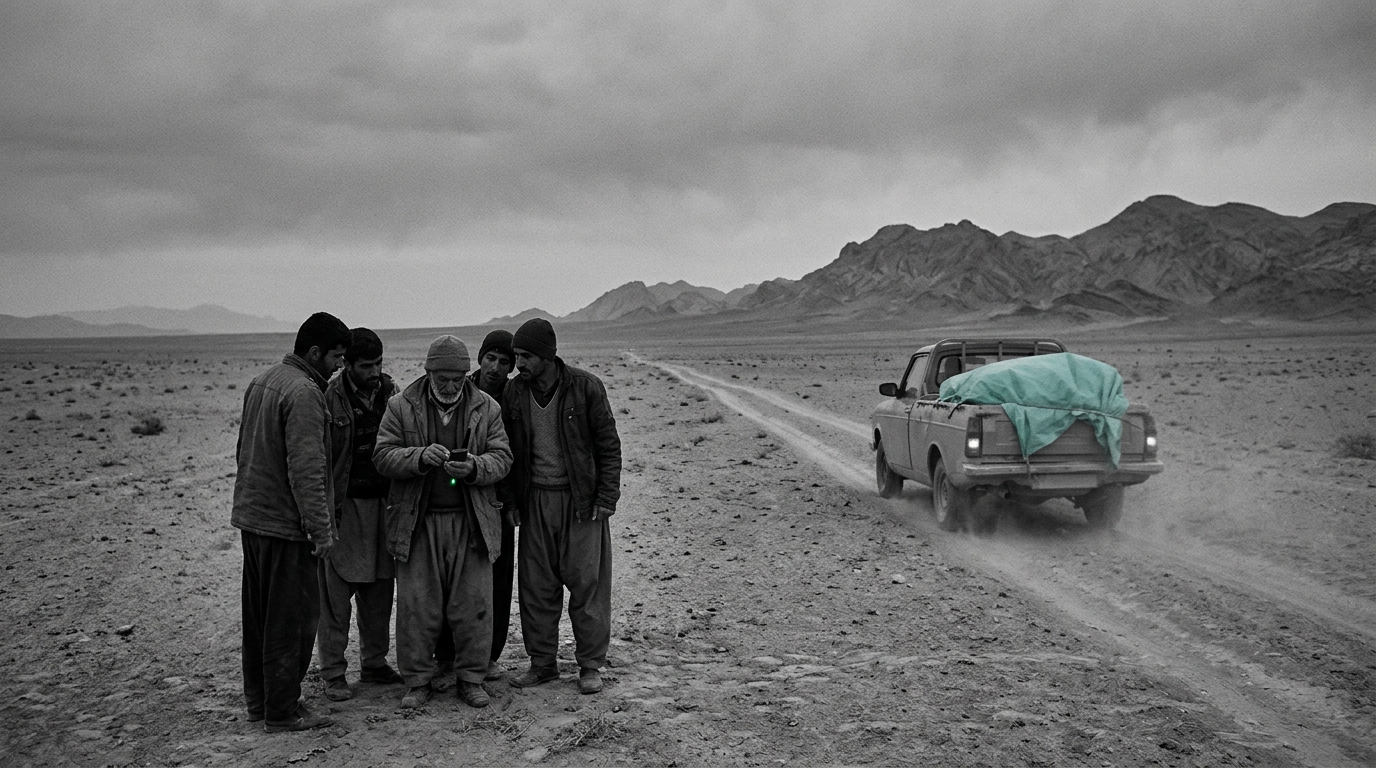
US President Donald Trump has postponed a previously threatened strike on Iran’s power grid, extending the deadline by 10 days to April 6, 2026, at 8 p.m. Eastern Time.
The announcement was made Thursday, March 26, 2026, in a post on Truth Social, where Trump pointed to what he described as progress in talks intended to end the conflict.
What changed
This is the second time the administration has delayed the threatened action against Iran’s energy infrastructure since the initial warning was issued.
The stated rationale for the latest pause was movement in negotiations, though Iran has publicly rejected the claim that it is engaged in talks.
Conflict backdrop and the Strait of Hormuz
The conflict began on February 28 and has involved the United States and Israel engaging Iran, while Washington has pressed Tehran to reopen the Strait of Hormuz.
The Strait of Hormuz is a critical chokepoint for energy trade, with more than one-fifth of global oil supply transiting the waterway. The source material says disruptions there have been significant and have weighed on the global economy.
Warnings, legal questions, and casualty figures
Iran has warned it would escalate if its energy grid is attacked, while also denying that negotiations are underway.
Separately, legal experts cited in the source material raised concerns about the legality of striking civilian infrastructure, arguing such targeting could fall under war-crimes prohibitions in the Geneva Conventions.
The conflict has produced heavy casualties, with an estimated 1,937 fatalities in Iran and 13 US military deaths, alongside additional casualties elsewhere in the Middle East.
Market and political relevance
The immediate market sensitivity centers on energy flows and shipping risk tied to the Strait of Hormuz, given its role in global oil transit. Any sustained disruption can transmit quickly into fuel costs, inflation pressures, and risk pricing across global assets.
Politically, the delay underscores uncertainty over the trajectory of the conflict: the White House has asserted that victory is approaching, but the source material says there are no clear indications the war is nearing an end.
Risks and unknowns
Key details remain unclear from the source material, including the scope of any negotiations, who is participating, and what terms are under discussion. The gap between US claims of progress and Iran’s denial adds uncertainty for policymakers and markets assessing the likelihood of escalation.
With the deadline now set for April 6, the next 10 days become a focal window for diplomatic signals and operational risk around energy infrastructure and maritime transit.