‘Nobody else is responsible’: Trump to blame for Iran crisis, ex-CIA chief says
Former CIA Director Leon Panetta blames Donald Trump for the Iran crisis and Strait of Hormuz closure, citing unpreparedness and geopolitical miscalculations.
Lauren Collins ·
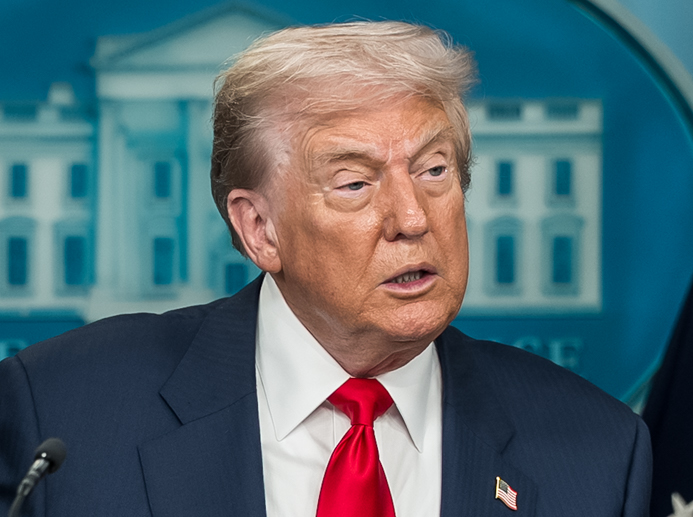
Former U.S. Defense Secretary and CIA Director Leon Panetta attributed the current crisis with Iran, including the closure of the Strait of Hormuz, directly to former President Donald Trump. Speaking on August 23, 2024, Panetta argued that the Trump administration failed to anticipate Iran's reaction to military actions, specifically the disruption of critical oil transit routes.
The Strait of Hormuz, a vital maritime chokepoint, has been effectively closed, impacting global energy markets. This waterway is crucial for the international oil trade, with approximately one-fifth of the world's traded oil passing through it daily. Its closure has led to significant market instability and an increase in global oil prices.
Escalation and Casualties
Ayatollah Ali Khamenei's succession by his son, Mojtaba Khamenei, a known hardliner, has further solidified the conservative stance of the Iranian regime. This leadership transition is seen as reinforcing the existing political and military trajectory of Iran.
Strategic Miscalculation Alleged
He further indicated that the Trump administration did not adequately consult international allies before initiating actions that led to the current standoff. This perceived oversight contributed to the lack of preparedness for Iran's response, which Panetta described as predictable.
Policy Dilemmas and Outlook
The broader implications extend to international shipping, insurance markets, and the stability of oil-dependent economies worldwide. The crisis underscores the delicate balance of power in the Middle East and the far-reaching consequences of military and diplomatic decisions in the region.
Implications
Country Impact: The United States faces a critical foreign policy challenge, balancing military options against diplomatic solutions to de-escalate tensions and secure vital shipping lanes. Iran's internal political landscape has solidified under hardline leadership, potentially leading to more confrontational stances.
Industry Impact: The global energy sector is experiencing significant volatility due to the Strait of Hormuz closure, leading to increased oil prices and supply chain disruptions. Shipping and insurance industries face heightened risks and costs for operations in the Persian Gulf region.
Market Impact: Global financial markets are reacting to increased geopolitical risk, with potential impacts on equity markets, bond yields, and currency valuations. Oil prices are a primary concern, directly influencing inflation and economic growth forecasts worldwide.